
Thomas Silverstein: American convict held in prolonged solitary confinement
Profile of Thomas Silverstein (1952–2019), a convicted murderer who spent decades in solitary confinement in U.S. federal prisons, his crimes, incarceration history, controversies and legacy.
Overview
Thomas Edward Silverstein (February 4, 1952 – May 11, 2019) was an American inmate convicted of multiple murders committed while incarcerated. First imprisoned in the late 1970s, Silverstein became one of the Bureau of Prisons' most closely watched prisoners after a 1983 killing of a corrections officer. His case attracted attention because of his long placement in isolation and his alleged ties to organized prison groups.
Image gallery
3 Images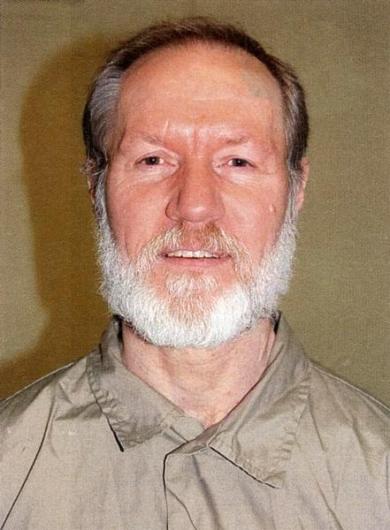


Crimes and convictions
Silverstein was serving a federal sentence when he was convicted of additional homicides that took place inside prison. Officials linked him to several violent incidents and charged him with four separate murders; one of those convictions was later overturned. The most high-profile killing was that of Corrections Officer Merle Clutts at the United States Penitentiary in Marion, Illinois, in 1983. That incident led to elevated security measures and contributed to Silverstein's isolation.
Incarceration, isolation and ADX Florence
Beginning in the 1980s Silverstein was held under extreme restrictions. He spent many years in single-person confinement described by authorities as a specially designed cell in an isolated housing unit sometimes referred to in reporting as "Range 13". His long-term separation from other prisoners and limited human contact became a defining feature of his incarceration. Some coverage and advocates refer to his placement as solitary confinement and cite the limitations on visitation and interaction imposed by the Bureau of Prisons.
Affiliation, official characterizations and legal context
Prison officials and some observers described Silverstein as a violent inmate and identified him as associated with the Aryan Brotherhood, a white supremacist prison group. Authorities called him a dangerous and brutal offender; defenders and civil liberties groups raised concerns about the human effects of decades-long isolation and the legal standards for such confinement. Silverstein and his supporters argued that harsh living conditions and institutional responses to violence in the prison system were a factor in his actions.
Controversy and public debate
Silverstein's case became a touchpoint in broader debates over the use of prolonged solitary confinement in the United States. Critics of extended isolation argue it can amount to cruel and unusual punishment and can worsen mental and physical health. Supporters of strict segregation cite safety for staff and other inmates and the need to contain organized violence. News stories and advocates discussed whether Silverstein's long-term detention in a supermax facility represented necessary security or a punitive excess.
Death and legacy
Silverstein died on May 11, 2019, at age 67. Reports indicated he died of heart failure after undergoing heart surgery. His death ended a decades-long period of confinement that made him, at the time, the federal prisoner held the longest in isolation within the Bureau of Prisons. Coverage of his passing prompted renewed reflection on his crimes, the effectiveness and humanity of prolonged solitary confinement, and the challenges of managing violent offenders in the federal system. The Marion episode and his subsequent transfer to high-security facilities such as ADX Florence remain part of discussions about corrections policy and prisoner rights; see reporting about the Marion penitentiary incident at Marion Penitentiary and accounts of his death and medical circumstances at coverage of his death.
- Born: February 4, 1952.
- Imprisoned: convicted in the 1970s and convicted of additional murders during incarceration.
- High-profile killing of a corrections officer: 1983.
- Long-term solitary confinement in a specially designed cell, often referenced as Range 13 at ADX Florence.
For readers seeking more detailed primary-source documentation or legal records, consult official Bureau of Prisons materials and contemporary news reporting. The balance between protecting safety inside prisons and ensuring humane treatment of inmates continues to make cases like Silverstein's subjects of legal, ethical and policy debate.
Author
AlegsaOnline.com Thomas Silverstein: American convict held in prolonged solitary confinement Leandro Alegsa
URL: https://en.alegsaonline.com/art/131860