
Marion, Illinois — regional city in southern Illinois
Marion, Illinois is a regional commercial, governmental and healthcare center in southern Illinois with 19th‑century roots, ties to mining and agriculture, and service roles for surrounding communities.
Overview
Marion is a city in Illinois in the United States. It functions as a local hub for commerce, government and medical services for the surrounding rural counties of southern Illinois. Marion combines municipal institutions, retail centers and community amenities that serve both town residents and people from nearby towns and agricultural areas.
Image gallery
9 Images



Origins and development
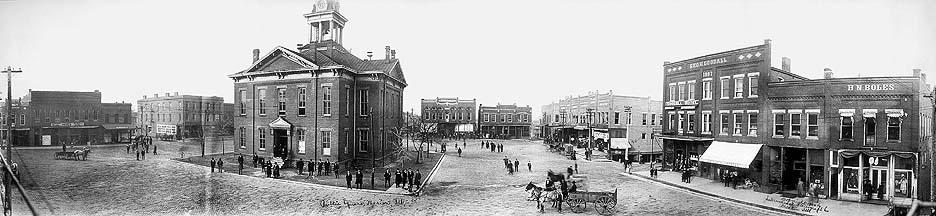
The community traces its development to the 19th century when settlement, land surveying and transportation improvements encouraged growth in the region. The city was named for the Revolutionary War figure Francis Marion, as were many American towns. Over time Marion expanded with population and economic activity tied to farming, extractive industries and later manufacturing and retail trade.
Characteristics and institutions
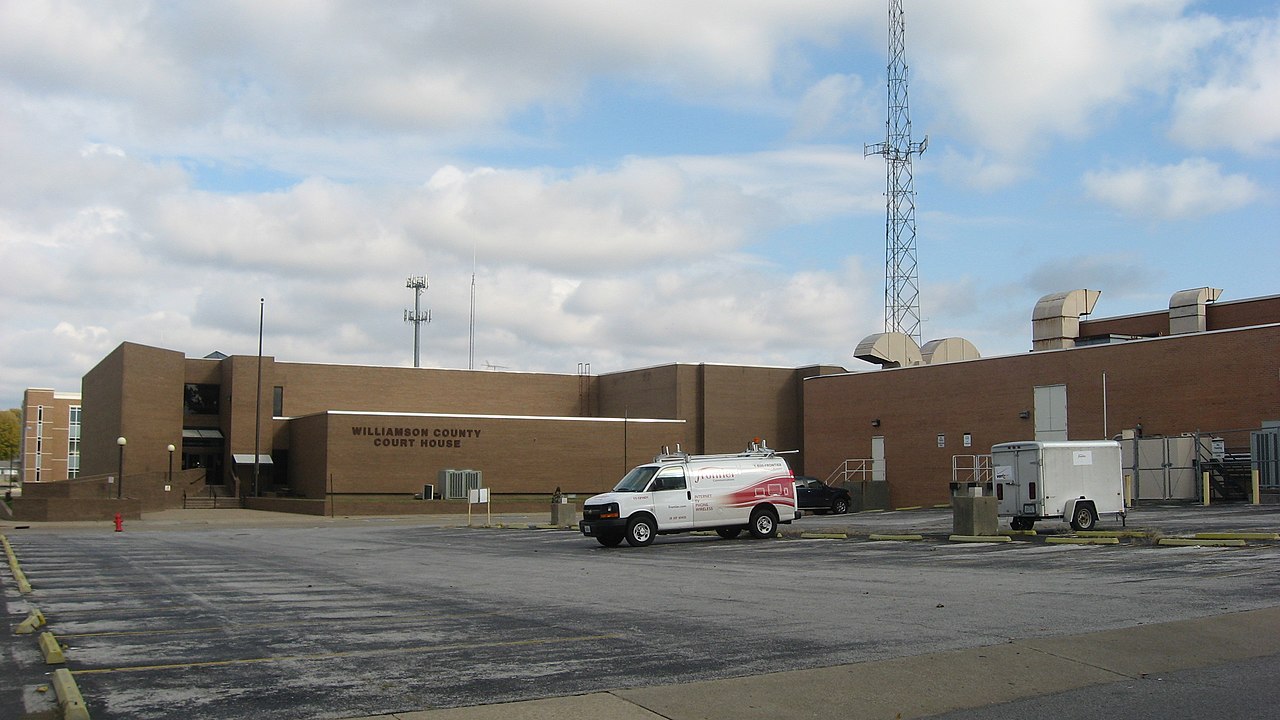
Marion hosts typical municipal institutions: a city government, county services, public schools and healthcare facilities that draw patients from a wide area. Parks, civic venues and cultural programs support local life, while regional shopping areas and small business districts provide jobs and services.
Economy and importance
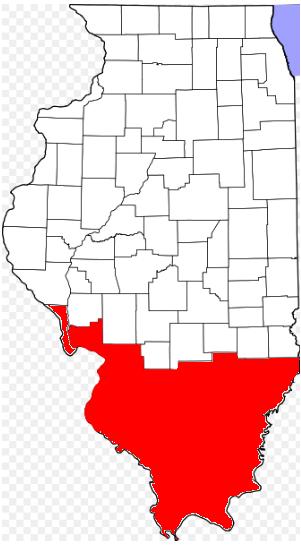
The local economy blends agriculture from surrounding farmland, service industries, light manufacturing and retail. Because it lies within the broader "Little Egypt" area of southern Illinois, Marion often acts as a crossroads where rural residents access specialized services, hospitals and courts that are not available in smaller towns.
Transportation and setting
Road links and regional highways connect Marion with other southern Illinois cities and nearby states, enabling commuting and freight movement. The city's location places it within reach of natural areas and recreational sites typical of the region, providing outdoor opportunities to residents and visitors.
Notable aspects
- Role as a county-level service and commercial center.
- Historical ties to 19th-century settlement and regional industries.
- Community amenities that serve a broad rural hinterland.
For more detailed or official information about municipal services, tourism and history, consult local government and regional resources or community archives.
Related articles
Author
AlegsaOnline.com Marion, Illinois — regional city in southern Illinois Leandro Alegsa
URL: https://en.alegsaonline.com/art/62033
Sources
- www2.census.gov : "2016 U.S. Gazetteer Files"