
The Amazing Criswell (Jeron Criswell King) — American showman and self-styled psychic
Showman and self-styled psychic Jeron Criswell King (1907–1982), known as The Amazing Criswell, famed for flamboyant predictions and his association with filmmaker Ed Wood.
Overview
Jeron Criswell King, best known by his stage name The Amazing Criswell, was an American entertainer who built a public persona as a fortune-teller and seer. Born Jeron Criswell Konig in 1907, he adopted colorful presentation and grand pronouncements that made him a familiar figure on mid-20th century variety programs and in cult film circles. He mixed showmanship, camp humor and confident prophecy to create a distinctive onstage identity.
Image gallery
2 Images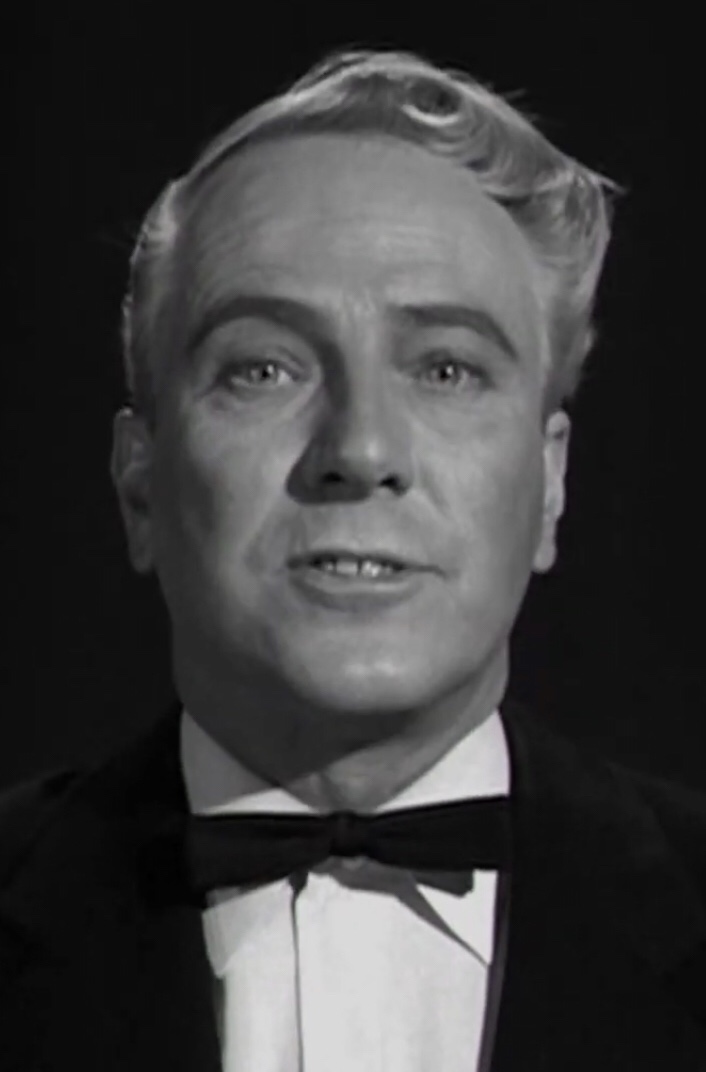

Style and public persona
Criswell's performances emphasized dramatic delivery, dramatic clothing and hyperbolic forecasts. He presented himself as a psychic to audiences, offering predictions about politics, disasters and celebrity fates. Many of his forecasts were demonstrably wrong, but his theatrical flair—often delivered in a deadpan or apocalyptic tone—kept audiences entertained and intrigued. He was as much a performer as a prognosticator.
Career and associations
Originally from Princeton, Indiana, Criswell moved into the Los Angeles entertainment scene where he appeared on radio, television and in public lectures. He became a friend and collaborator of filmmaker Ed Wood, and provided narration for Wood's notorious cult picture Plan 9 from Outer Space. That association helped cement Criswell's reputation among devotees of low-budget and camp cinema.
Notable facts and legacy
- Criswell is remembered less for accurate forecasting and more for his theatricality and memorable quotes.
- His persona influenced later portrayals of eccentric seers in popular culture and remains a touchstone for fans of cult films.
- He exemplifies a mid-century American phenomenon in which stagecraft and media exposure blurred the line between entertainment and claims of supernatural insight.
Personal life and death
Throughout his life Criswell used variants of his name professionally and personally; in private he sometimes went by Charles Criswell King. He remained a recognizable public figure in Southern California until his death from cardiac arrest in Burbank, California in 1982 at the age of 75. Today he is chiefly of interest to historians of popular entertainment and collectors of cult cinema memorabilia.
While often criticized for the inaccuracy of his predictions, Criswell's case is useful to understand how personality and media combine to sustain a public reputation: his certainty, theatrical staging and willingness to court controversy made him an enduring, if eccentric, figure of American show business.
Author
AlegsaOnline.com The Amazing Criswell (Jeron Criswell King) — American showman and self-styled psychic Leandro Alegsa
URL: https://en.alegsaonline.com/art/131771