
Plan 9 from Outer Space — 1959 cult science-fiction film by Ed Wood
Low-budget 1959 science-fiction film written and directed by Ed Wood. Famous for technical flaws and its cult status, it depicts aliens resurrecting the dead to halt a cosmic threat.
Overview
Plan 9 from Outer Space is a low-budget American science-fiction film released in 1959 and written and directed by Ed Wood. Initially overlooked, it later acquired notoriety and a devoted following as an exemplar of amateur filmmaking and cult cinema. The picture is often discussed both as a part of the science-fiction tradition and as a distinctive oddity in the history of independent film.
Image gallery
9 Images


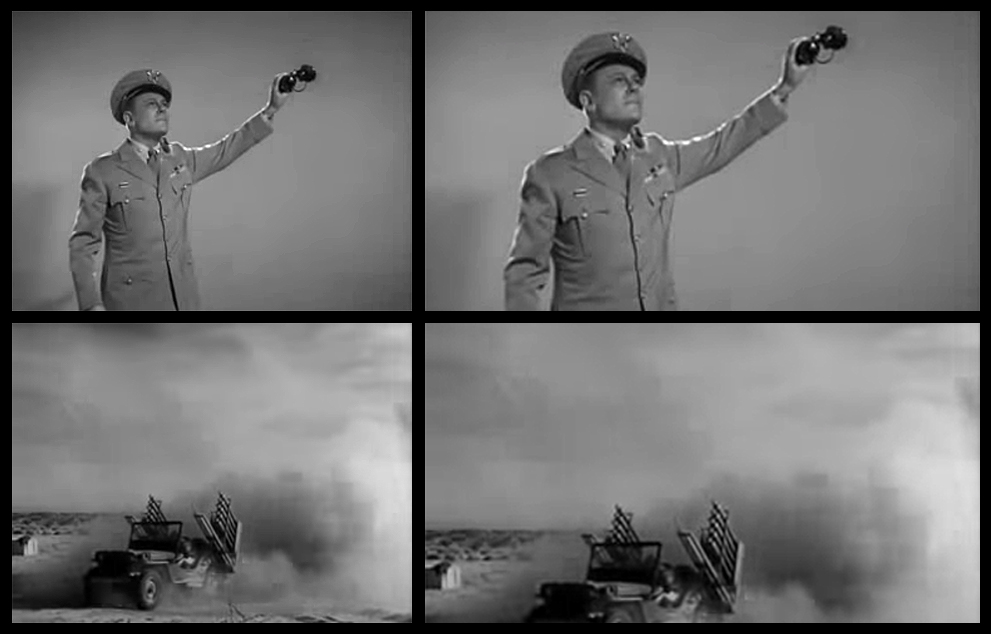

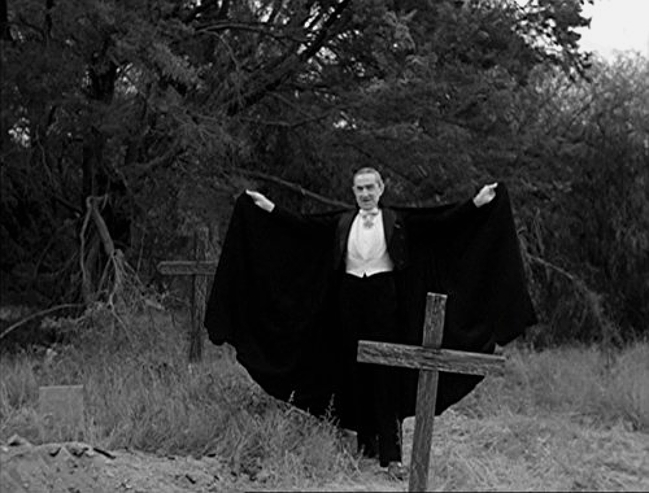



Plot
The story concerns extraterrestrials who take action to prevent humanity from developing a weapon that could annihilate the cosmos. To attract attention and halt human technological progress, the visitors enact a scheme called "Plan 9": they reanimate the dead across Earth. The resulting sequence of resurrections produces confusion and panic as authorities and ordinary citizens confront the returning corpses. The film frames this strange conflict as a moral and existential warning, delivered in the film’s stark, often surreal scenes about life, death, and human hubris.
Production and principal cast
Production was notable for its very small budget, hurried shooting schedule and extensive use of stock footage. Ed Wood, who both wrote and directed the picture, relied on friends and local performers rather than major studio resources; he is often profiled in studies of American independent directors and is the subject of biographical treatments such as the Tim Burton film about his life. Key performers include Gregory Walcott and Mona McKinnon; veteran actor Lyle Talbot appears in a supporting role (Lyle Talbot), and the large‑framed wrestler Tor Johnson is another recognizable presence (Tor Johnson). The horror hostess Maila Nurmi, known as Vampira, and purported seer Criswell also appear. Footage of famed actor Bela Lugosi was edited into the final cut after his death, with stand‑in material used to complete some scenes.
Technical characteristics and notable features
- Low-budget special effects and visible production shortcuts, including obvious models, strings and abrupt cuts.
- Inconsistent continuity and mismatched stand‑in shots that create abrupt changes in character appearance and blocking.
- A deliberately theatrical scoring and narration in places that contribute to its peculiar tone.
- Use of stock footage and recycled material to stretch limited resources.
These qualities have made the film both notorious for its flaws and fascinating to audiences interested in the craft of low-budget filmmaking — the errors serve as a kind of textbook of what can go wrong when financial and logistical limits are strained.
Reception, legacy and cultural impact
For many years the film circulated quietly on late‑night television and in cheap theatrical reissues before being labeled by some critics as among the worst films ever made. In 1980 the book and publicity surrounding the Golden Turkey Awards helped cement that reputation; its authors singled out the film and its director for derisive honors. Despite such criticism, the movie’s profile grew and it became a staple of midnight screenings, university film courses on cult cinema and home‑video collections. Scholars and fans now discuss it in contexts ranging from fan culture and camp aesthetics to the history of American independent film. Its unusual production backstory and memorable oddities continue to inspire documentaries, essays and popular reconstructions of Ed Wood’s career in both fiction and scholarship (Ed Wood).
Further reading and related topics
Those interested in the film’s themes and history often explore topics such as alien visitation narratives (aliens), portrayals of humanity under existential threat (humans), fictional doomsday devices and their cultural meanings (destructive weapons), and the recurring motif of resurrection in popular entertainment (cosmic stakes). Articles and retrospectives examine why the film’s chaotic mix of ambition and ineptitude produced a long‑lasting afterlife as a cultural touchstone and why chaotic spectacle can sometimes outlive conventional critical success (chaos).
For information about distribution, television showings and later home‑video releases, see contemporary accounts of the film’s broadcast history and reissues (television and distribution).
Plan 9 from Outer Space remains an important case study in how limitations of budget and technique can paradoxically lead to enduring attention, discussion and affection from film audiences and historians.
Questions and answers
Q: When was Plan 9 from Outer Space shot?
A: Plan 9 from Outer Space was shot in 1957.
Q: Who directed and wrote Plan 9 from Outer Space?
A: Plan 9 from Outer Space was directed and written by Ed Wood.
Q: Who are the actors in Plan 9 from Outer Space?
A: The actors in Plan 9 from Outer Space are Gregory Walcott, Mona McKinnon, Lyle Talbot, Tor Johnson, Maila Nurmi (Vampira), and Criswell.
Q: What is the plot of Plan 9 from Outer Space?
A: The movie is about aliens who want to stop humans from creating a weapon that will destroy the universe. To do this, the aliens put their "Plan 9" in operation, which involves bringing Earth's dead back to life, causing chaos.
Q: Who is Bela Lugosi in Plan 9 from Outer Space?
A: Bela Lugosi appears in Plan 9 from Outer Space as the "Old Man," and some footage of him was edited into the movie after his death.
Q: What is the Golden Turkey Award?
A: The Golden Turkey Award is an award given to the worst movies and directors. Plan 9 from Outer Space and its director Ed Wood were awarded this by authors Michael Medved and Harry Medved in 1980.
Q: Was Plan 9 from Outer Space popular when it was first aired?
A: No, Plan 9 from Outer Space was aired on television for years without much notice before being called the "worst movie ever made."
Related articles
Author
AlegsaOnline.com Plan 9 from Outer Space — 1959 cult science-fiction film by Ed Wood Leandro Alegsa
URL: https://en.alegsaonline.com/art/77231