
Terrel H. Bell — U.S. Secretary of Education and education reform advocate
Terrel H. Bell (1921–1996) was an American educator and the second U.S. Secretary of Education (1981–1985). He commissioned the influential 1983 report 'A Nation at Risk' and shaped federal education policy debates.
Terrel Howard Bell (November 11, 1921 – June 22, 1996) was an American educator and politician best known for serving as the second United States Secretary of Education. Appointed at the start of the Reagan administration, Bell held the cabinet post from January 1981 through January 1985 and became a prominent voice in national discussions about school quality and federal involvement in education policy. His tenure is most often associated with efforts to raise academic standards and to draw attention to perceived declines in student achievement.
Bell was born and raised in Salt Lake City, Utah, and pursued training in teaching at the Southern Idaho College of Education before a long career in public education. Prior to joining the cabinet he worked in classroom and administrative roles at the state and local levels, gaining experience that informed his later policy priorities. Although he served in the Ronald Reagan cabinet, Bell often emphasized the professional and nonpartisan aspects of educational improvement.
Image gallery
3 Images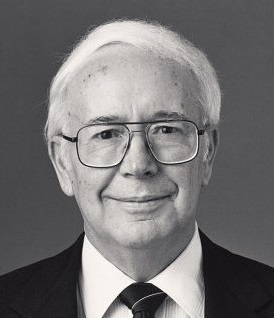


Career highlights and initiatives
As Secretary, Bell is most widely remembered for commissioning an independent assessment of American schools that was published in 1983. That study brought national attention to test scores, curriculum, and teacher preparation and is credited with launching a series of reform conversations in the 1980s and beyond. During his term he advocated higher academic expectations and clearer measures of student learning while navigating tensions about the proper role of the federal government in public education.
- A Nation at Risk (1983): The widely cited report that warned of a "rising tide of mediocrity" and urged stronger standards and accountability.
- Focus on standards: Encouraged states and school districts to adopt rigorous graduation requirements and improve teacher training.
- Federal-state balance: Promoted initiatives that respected local control while providing federal leadership on research and best practices.
Historians and education analysts credit Bell with helping to shift public attention toward measurable outcomes and long-term improvement strategies. The momentum from the 1983 report influenced later reforms and debates about standards, testing, and school accountability that continued into the 1990s and 2000s.
Bell retired from federal service in 1985 and later returned to Utah. He died in Salt Lake City from pulmonary fibrosis on June 22, 1996. For further biographical and historical information see departmental profiles and contemporary accounts of the Reagan-era administration and education policy history, which examine Bell's role in shaping modern discussions about American schooling.
Additional resources: overview of his life and public service can be found in biographical summaries and archival collections linked through official and historical repositories (biography, Department profile, local history).
Author
AlegsaOnline.com Terrel H. Bell — U.S. Secretary of Education and education reform advocate Leandro Alegsa
URL: https://en.alegsaonline.com/art/131700