
Ted Strickland (American politician)
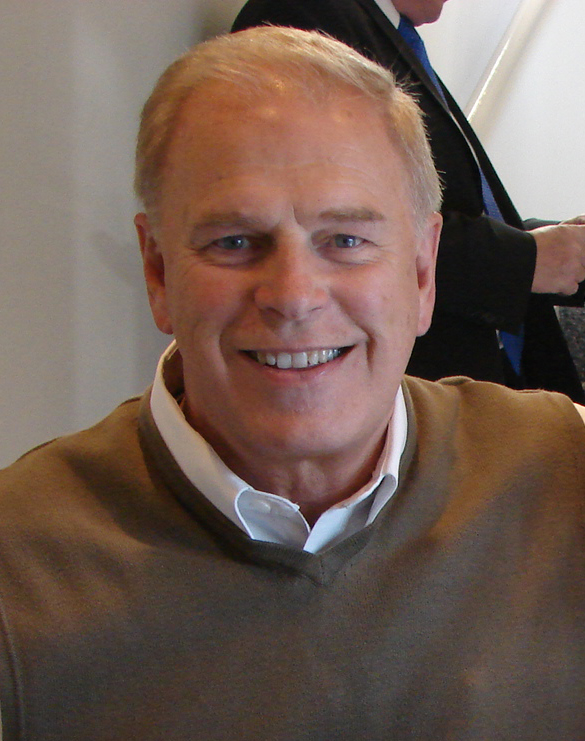
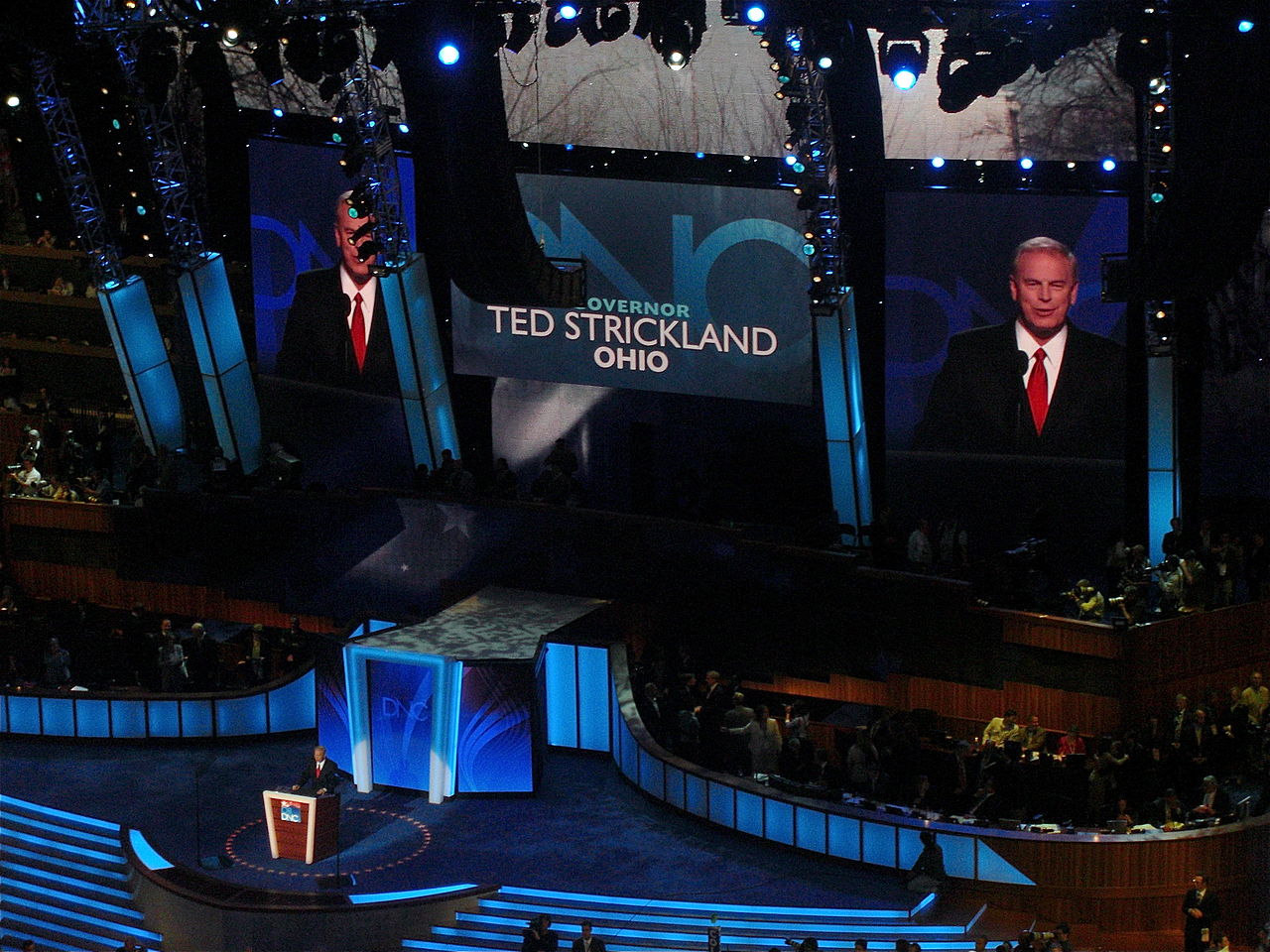
Ted Strickland (born 1941) is an American Democratic politician who served as Ohio's 68th governor (2007–2011) and represented Ohio in the U.S. House in the 1990s and 2000s.
Overview
Theodore "Ted" Strickland (born August 4, 1941) is an American politician affiliated with the Democratic Party. He served as the 68th Governor of Ohio from 2007 to 2011. Earlier in his career he was elected to the United States House of Representatives for two nonconsecutive stretches (1993–1995 and 1997–2007).
Image gallery
7 Images



Early public career and congressional service
Strickland first entered federal elected office in the early 1990s. His time in the U.S. House gave him experience on national issues and provided a platform for later statewide campaigns. Across his congressional terms he participated in legislative debates and constituency work that helped raise his profile within his party and in Ohio politics.
Governorship (2007–2011)
Strickland won the governor's office in 2006 and took office in January 2007. His term coincided with the global financial crisis and the deep national recession that began in 2008. The administration's agenda emphasized areas commonly associated with state executives, including education, job creation, and health services. Fiscal pressures from the recession shaped policy choices and budget negotiations throughout his term.
Elections and political transition
In the 2010 gubernatorial election Strickland was defeated by Republican challenger John Kasich, who succeeded him as governor. The 2010 election reflected broader national political shifts during that midterm cycle and marked a partisan turnover in state leadership.
Later activity and significance
After leaving the governor's office, Strickland remained a recognizable figure in Ohio politics and national Democratic circles. His career illustrates several recurring themes in contemporary American state politics: the movement from the U.S. Congress to a governor's office, the impact of national economic trends on state governance, and the electoral volatility that can follow economic crises.
Notable facts
- Born August 4, 1941; long-time member of the Democratic Party.
- Served in the United States House of Representatives in 1993–1995 and 1997–2007.
- Served as Ohio's 68th Governor from 2007 until 2011; succeeded by John Kasich.
- Associated with policy priorities typical of state executives: education, health, and economic development in response to the 2008 recession.
Author
AlegsaOnline.com Ted Strickland (American politician) Leandro Alegsa
URL: https://en.alegsaonline.com/art/131668