
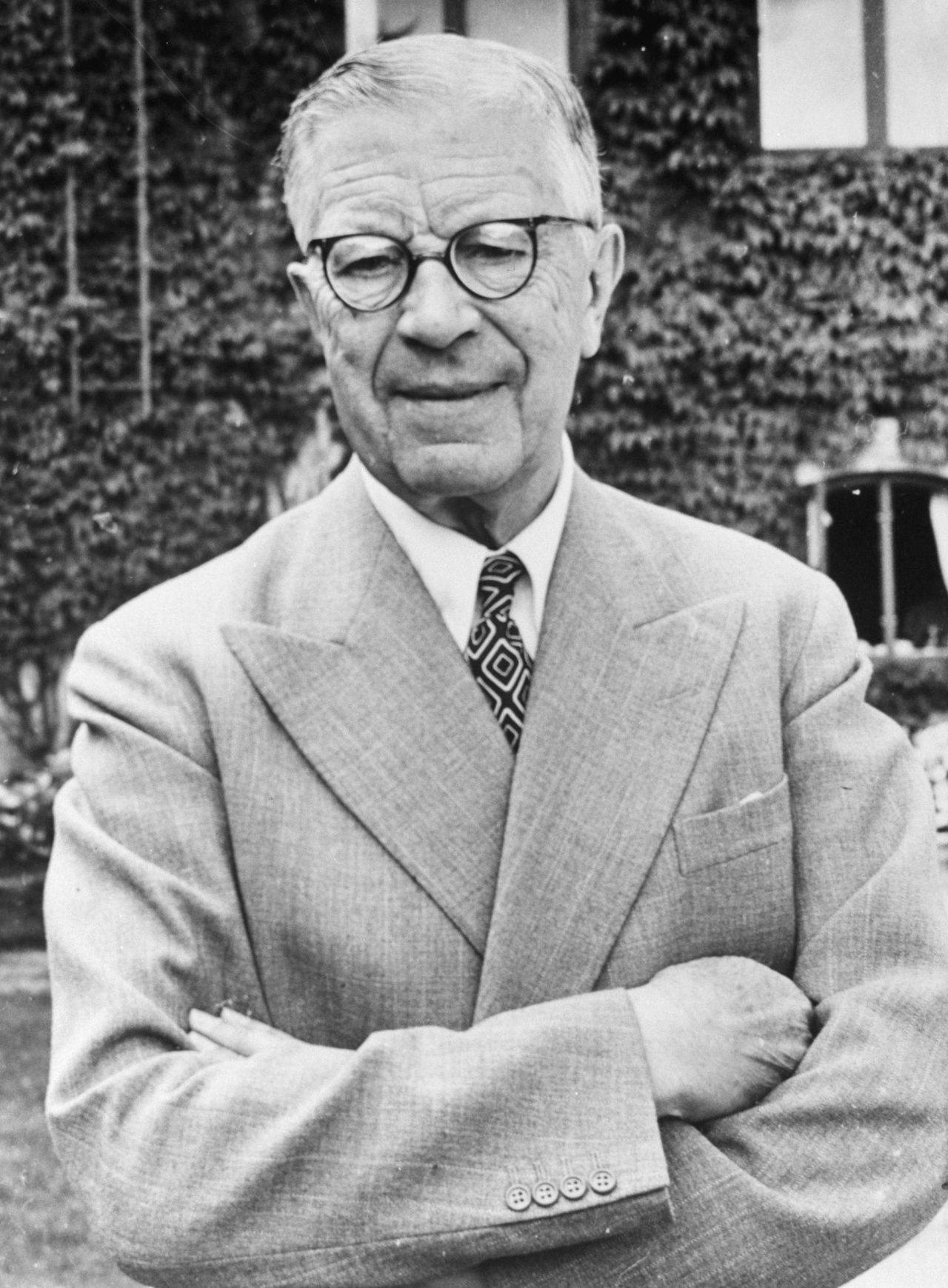
Tage Erlander: Sweden’s long-serving social democratic prime minister
Tage Erlander (1901–1985) led Sweden as prime minister from 1946 to 1969. A central figure in building the Swedish welfare state, he shaped postwar policy, consensus politics and the Social Democratic era.
Tage Erlander (13 June 1901 – 21 June 1985) was a Swedish politician who served as Prime Minister of Sweden from October 1946 to October 1969. Born in Ransäter, he became a leading figure in the Swedish Social Democratic movement and presided over more than two decades of sustained economic growth and institutional reform. His long tenure made him a dominant personality in 20th-century Swedish politics.
Image gallery
10 Images




Political outlook and achievements
Erlander championed the expansion of the welfare state, emphasizing universal social insurance, public health, education and housing policies designed to reduce inequality and promote social mobility. His governments worked with employers and unions to maintain industrial peace and high employment, contributing to what became known as the Swedish model of labor relations and social partnership.
Foreign policy and governance style
On foreign affairs, Erlander maintained Sweden’s policy of non-alignment during the Cold War, while supporting international cooperation and development. Known for a pragmatic and consensus-driven approach, he favored gradual reform rather than abrupt change and cultivated a plainspoken public image.
Career and context
Erlander succeeded Per Albin Hansson as party leader and prime minister in 1946 and led the Swedish Social Democratic Party throughout his time in office. He stepped down in 1969 and was succeeded by Olof Palme. His leadership coincided with postwar reconstruction, industrial expansion and the consolidation of social programs.
Legacy and notable facts
- Associated with the growth of the modern Swedish welfare state and the idea of "folkhemmet" (the people's home).
- Remembered for long parliamentary service and for shaping mid-20th-century Swedish consensus politics.
- Left a written legacy of speeches and memoirs that document domestic policy debates of the era.
For basic biographical references see Ransäter, the Swedish Social Democratic Party at Socialdemokraterna, and institutional details on the office of the Prime Minister of Sweden.
Author
AlegsaOnline.com Tage Erlander: Sweden’s long-serving social democratic prime minister Leandro Alegsa
URL: https://en.alegsaonline.com/art/131537