
Sylvia Likens: 1965 torture and murder case in Indiana
A neutral overview of the 1965 case of Sylvia Likens, a 16-year-old from Indiana who was tortured and killed while in the care of another family; the investigation, trial, and legacy.
Overview
Sylvia Likens was a 16-year-old girl from Indiana whose prolonged abuse and death in 1965 exposed severe failures in community and institutional protection for children. Left in the home of Gertrude Baniszewski while her parents worked traveling shows, Sylvia suffered escalating physical and psychological mistreatment over several months and died on October 26, 1965. The case drew national attention for the severity of the abuse and for the number of people implicated in the crimes.
Image gallery
5 Images


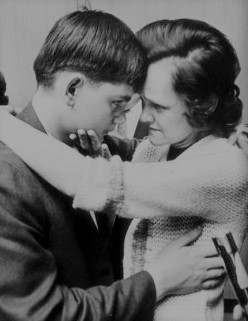
The circumstances and victims
In mid-1965 Sylvia and her younger sister were placed temporarily with a local family while their parents worked. During that period Sylvia became the target of systematic abuse by the head of the household, several of the woman's children, and other neighborhood youths. Accounts from the investigation and trial describe prolonged deprivation, repeated beatings, humiliation, and other forms of torture leading up to Sylvia's death. Her sister survived and later provided important testimony in the criminal proceedings.
People involved
- Victim: Sylvia Likens, age 16.
- Caregiver: Gertrude Baniszewski (née Van Fossan), who was criminally charged.
- Family members and neighborhood youths: several of Baniszewski's children and local teenagers who participated in or encouraged the abuse.
- Witnesses and survivors: Sylvia's younger sister, who later testified in court.
Investigation and trial
Local law enforcement investigated after medical personnel and others became aware of Sylvia's condition. Formal charges were brought against the principal caregiver and a number of accomplices. Prosecutors described the episode as exceptionally brutal; one prosecutor characterized it as "the most terrible crime ever committed in the state of Indiana." Those charged were tried in state court; several were convicted and received prison sentences of varying lengths. The testimony of surviving witnesses, documentary evidence, and medical findings were central to the prosecutions.
Aftermath and cultural impact
The Likens case prompted public debate about child welfare, the responsibilities of guardians and neighbors, and the effectiveness of social services at protecting vulnerable children. It has been the subject of journalistic accounts, books, and works of fiction that examine bystander behavior and institutional neglect. Scholars and advocates cite the case when discussing mandatory reporting laws, community responsibility, and the need for vigilance by teachers, medical professionals, and social workers.
Notable facts and legacy
- The case is often referenced in discussions of extreme child abuse and the legal obligations of caregivers and communities.
- It illustrated how a combination of domestic dysfunction, peer participation, and social indifference can produce catastrophic outcomes.
- Documentation and analysis of the case remain resources for those studying criminal justice responses to child abuse; readers can consult primary records and contemporary reporting for detailed timelines and legal documents via archival summaries and further commentary on regional effects through sources about Indiana.
- Accounts of the abuse itself often refer to the prolonged nature of the mistreatment; for general background on patterns of severe child maltreatment see resources about torture and prolonged abuse and material on transient caregiving and labor contexts such as traveling shows or carnivals.
Because the case remains a touchstone for discussions about child protection, it continues to be examined in legal studies, sociology, and media that consider how communities and institutions can better detect and prevent abuse. Readers seeking more detail should consult primary court records and reputable historical summaries while bearing in mind the sensitivity of the subject and the impact on surviving family members.
Questions and answers
Q: Who is Sylvia Likens?
A: Sylvia Likens was a 16-year-old murder victim from Indiana.
Q: What happened to Sylvia Likens?
A: Sylvia Likens was tortured for three months by Gertrude Baniszewski and others and eventually murdered on October 26, 1965.
Q: Who were involved in the torture and murder of Sylvia Likens?
A: Gertrude Baniszewski, along with her children Paula and John, and two neighborhood youths Coy Hubbard and Richard Hobbs were involved in the torture and murder of Sylvia Likens.
Q: How did Sylvia Likens end up with the Baniszewski family?
A: Sylvia Likens and her sister Jenny were left in the care of the Baniszewski family by their carnival worker parents in exchange for $20 a week.
Q: What was the prosecutor's opinion on the crime committed against Sylvia Likens?
A: The prosecutor in Baniszewski's trial described Sylvia Likens' torture and murder as "the most terrible crime ever committed in the state of Indiana".
Q: How old was Sylvia Likens when she was murdered?
A: Sylvia Likens was 16 years old when she was murdered.
Q: How long was Sylvia Likens tortured for?
A: Sylvia Likens was tortured for three months before she was murdered.
Author
AlegsaOnline.com Sylvia Likens: 1965 torture and murder case in Indiana Leandro Alegsa
URL: https://en.alegsaonline.com/art/131512