
Sting (Gordon Sumner): musician, songwriter and cultural figure
Overview of Sting (Gordon Matthew Thomas Sumner), his career with The Police and as a solo artist, musical style, major collaborations, awards, activism and cultural impact.

Overview
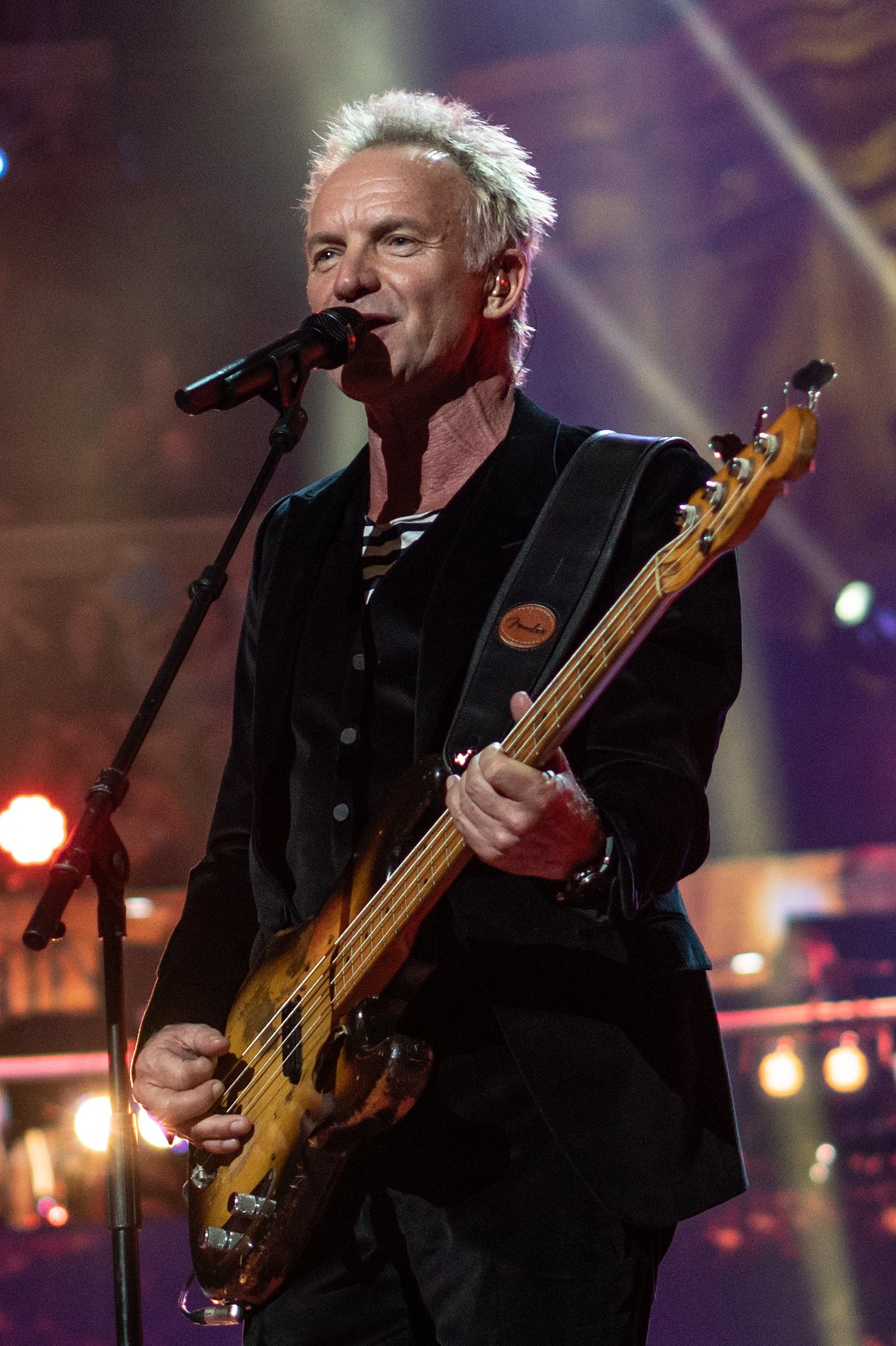
Gordon Matthew Thomas Sumner (born 2 October 1951), known professionally as Sting, is an English singer, songwriter and musician. He first achieved international fame as the frontman and principal songwriter of the rock trio The Police, and later developed a long solo career that has spanned pop, jazz, classical and world music. Recognised for a distinctive tenor voice, melodic bass playing and literate lyrics, Sting has been both a chart performer and a composer for stage and screen. He has also been prominent as a philanthropist and activist, often combining musical work with public campaigns.
Image gallery
10 Images



Career and development
Sting rose to prominence in the late 1970s and early 1980s with The Police, a band that fused rock with reggae and pop sensibilities. After the group dissolved, he embarked on a solo career that broadened his musical palette to include jazz-tinged arrangements, orchestral elements and collaborations with non-Western musicians. His repertoire ranges from concise pop songs to extended thematic works and theatrical pieces; he also composed the musical The Last Ship, drawing inspiration from shipbuilding communities and personal history. Throughout his career Sting has alternated between band projects, solo albums and collaborative recordings, continually revisiting and reinterpreting earlier material.
Musical style, instruments and songwriting
Sting's music is notable for blending genres. As a bassist and vocalist he often brings melodic bass lines forward in arrangements while favouring clear, expressive vocal delivery. His songwriting is known for narrative and poetic lyrics, sometimes drawing on literature, politics and personal reflection. Stylistically he has incorporated jazz harmonies, reggae rhythms, classical instrumentation and world-music textures. In live and studio settings he has worked with small jazz ensembles, rock bands and full orchestras, showing a consistent interest in arranging and sonic variety.
Collaborations, notable recordings and examples
Collaborations have been a constant element of Sting's output. He contributed vocals to Dire Straits' hit and co-wrote parts of the song "Money for Nothing", recorded with other pop stars for soundtrack projects, and recorded duets and joint albums across different genres. Notable examples include the North African-flavoured "Desert Rose" (featuring Cheb Mami), the multi-artist ballad "All for Love" (with Bryan Adams and Rod Stewart), a duet with Alison Krauss titled "You Will Be My Ain True Love", and a partnership with Jamaican musician Shaggy that produced the Grammy-winning album 44/876. These projects illustrate how Sting has used collaboration to explore new sounds and reach diverse audiences.
Awards, honours and achievements
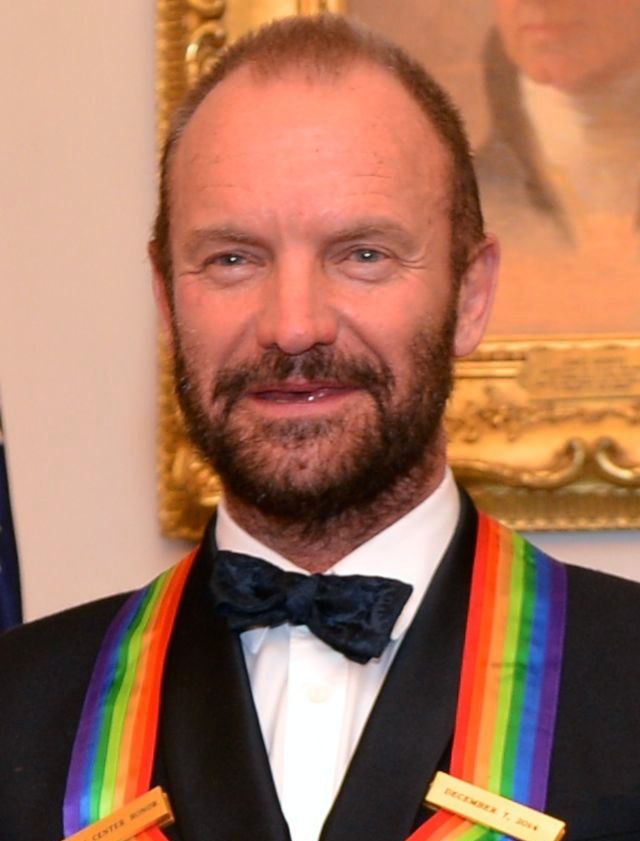
Sting has been widely decorated for both popular and critical success. He has won multiple Grammy Awards and other major prizes, and with The Police and as a solo artist has sold tens of millions of records worldwide. His songwriting has been recognised by institutions such as the Songwriters Hall of Fame and he has received honours for services to music, including a CBE. Additional distinctions include a star on the Hollywood Walk of Fame and induction into the Rock and Roll Hall of Fame as a member of The Police. His song "Every Breath You Take" is frequently cited among the most-played radio tracks in popular music history.
Activism, philanthropy and legacy
Outside music, Sting is active in environmental and humanitarian causes. He co-founded a foundation dedicated to protecting rainforests and the rights of indigenous peoples, and he has lent his public profile to campaigns on climate change, human rights and conservation. As a cultural figure, Sting is often discussed for bringing eclectic musical influences into mainstream pop, for his role in expanding the sonic possibilities of rock songwriting, and for maintaining a creative career that bridges popular performance and more formal composition. His influence can be seen in artists who combine popular songwriting with world-music and jazz elements.
Selected facts and distinctions
- Real name: Gordon Matthew Thomas Sumner; stage name "Sting" reportedly originated as a nickname.
- Early fame: principal songwriter and vocalist for The Police.
- Cross-genre work: pop, rock, jazz, classical and world music.
- Major collaborations: Dire Straits, Cheb Mami, Bryan Adams, Rod Stewart, Alison Krauss, Shaggy.
- Recognition: numerous Grammys, songwriting awards, a CBE and institutional honours for cultural contribution and philanthropy.
- Recordings and legacy: commercial success exceeding many tens of millions of records sold; continuing influence on contemporary songwriters and genre-blending artists; extensive catalogue available on recorded media and streaming platforms.
For further reading about specific albums, tours and films, consult dedicated biographies and music-reference sources that chronicle his work in greater chronological and analytical detail. Sting's career remains an example of a popular artist who has pursued both commercial success and artistic experimentation while engaging with social and environmental causes.
Author
AlegsaOnline.com Sting (Gordon Sumner): musician, songwriter and cultural figure Leandro Alegsa
URL: https://en.alegsaonline.com/art/131369