
Stephanie Kwolek (1923–2014) — Inventor of Kevlar
Stephanie Kwolek was an American chemist whose polymer research at DuPont led to Kevlar, a high-strength fiber used in body armor, ropes, composites and many industrial applications.
Stephanie Louise Kwolek was an American chemist best known for discovering the class of aromatic polyamides that became commercialized as Kevlar. Her laboratory work on polymer solutions yielded a fiber with an exceptional strength-to-weight ratio, transforming materials science and spawning widespread practical uses from protective equipment to industrial composites.
Image gallery
5 Images


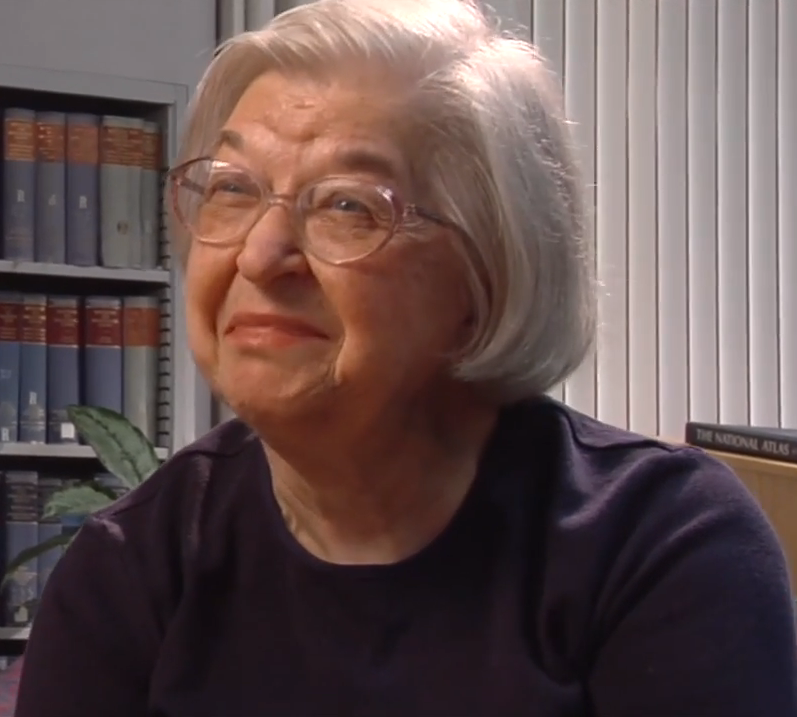

Early life and education
Kwolek was born in New Kensington, a suburb of Pittsburgh, Pennsylvania. She showed an early aptitude for science and pursued chemistry studies after high school. Following her university training she entered industrial research, where she spent most of her career developing polymers and fibers. Much of her research took place at a major U.S. chemical company where she focused on practical materials for safety and performance.
Discovery and development of Kevlar
In the mid-1960s Kwolek and her colleagues were searching for lightweight, strong fibers that could replace steel in tires and other applications. While working with unusual polymer solutions, she observed an unexpected liquid-crystalline behavior and suggested it might be spun into a fiber. The resulting fiber exhibited very high tensile strength and thermal stability compared with other synthetic fibers. That material was later developed and marketed under the trade name Kevlar and became one of the most important high-performance fibers of the 20th century.
Properties and applications
Kevlar is valued for its combination of low density, high tensile strength, and heat resistance. These properties make it useful in a wide range of applications:
- Personal protective equipment such as body armor and helmets
- Industrial products including ropes, cables, and cut-resistant gloves
- Composite materials for aerospace, automotive, and sporting goods
- Friction and brake components, and reinforcement in tires
Recognition and legacy
Kwolek received many honors for her contributions to polymer chemistry and materials engineering. Her discovery changed approaches to protective design and industrial materials, and it has saved lives through improved personal protection. She has been acknowledged by professional societies and institutions for both the scientific insight and the practical impact of her work.
She died in Wilmington, Delaware, on June 18, 2014, at the age of 90. For further reading and authoritative sources on her life and research see: biography overview, professional profile, local history, educational background, science awards, obituary and remembrance, and technical description of the fiber.
Author
AlegsaOnline.com Stephanie Kwolek (1923–2014) — Inventor of Kevlar Leandro Alegsa
URL: https://en.alegsaonline.com/art/131193