
Stan Getz: American Tenor Saxophonist and Bossa Nova Pioneer
Stan Getz (1927–1991) was an American tenor saxophonist nicknamed “The Sound,” celebrated for a warm, lyrical tone, work in bebop and cool jazz, and for bringing bossa nova to international audiences.
Overview
Stan Getz (born Stanley Gayetski; February 2, 1927 – June 6, 1991) was an American jazz tenor saxophonist renowned for a rounded, singing tone that earned him the sobriquet "The Sound." Over a career spanning more than four decades he moved comfortably between idioms, from the fast lines of bebop to the more relaxed phrasing of cool jazz, and later played a central role in popularizing Brazilian bossa nova outside of Brazil.
Image gallery
4 Images

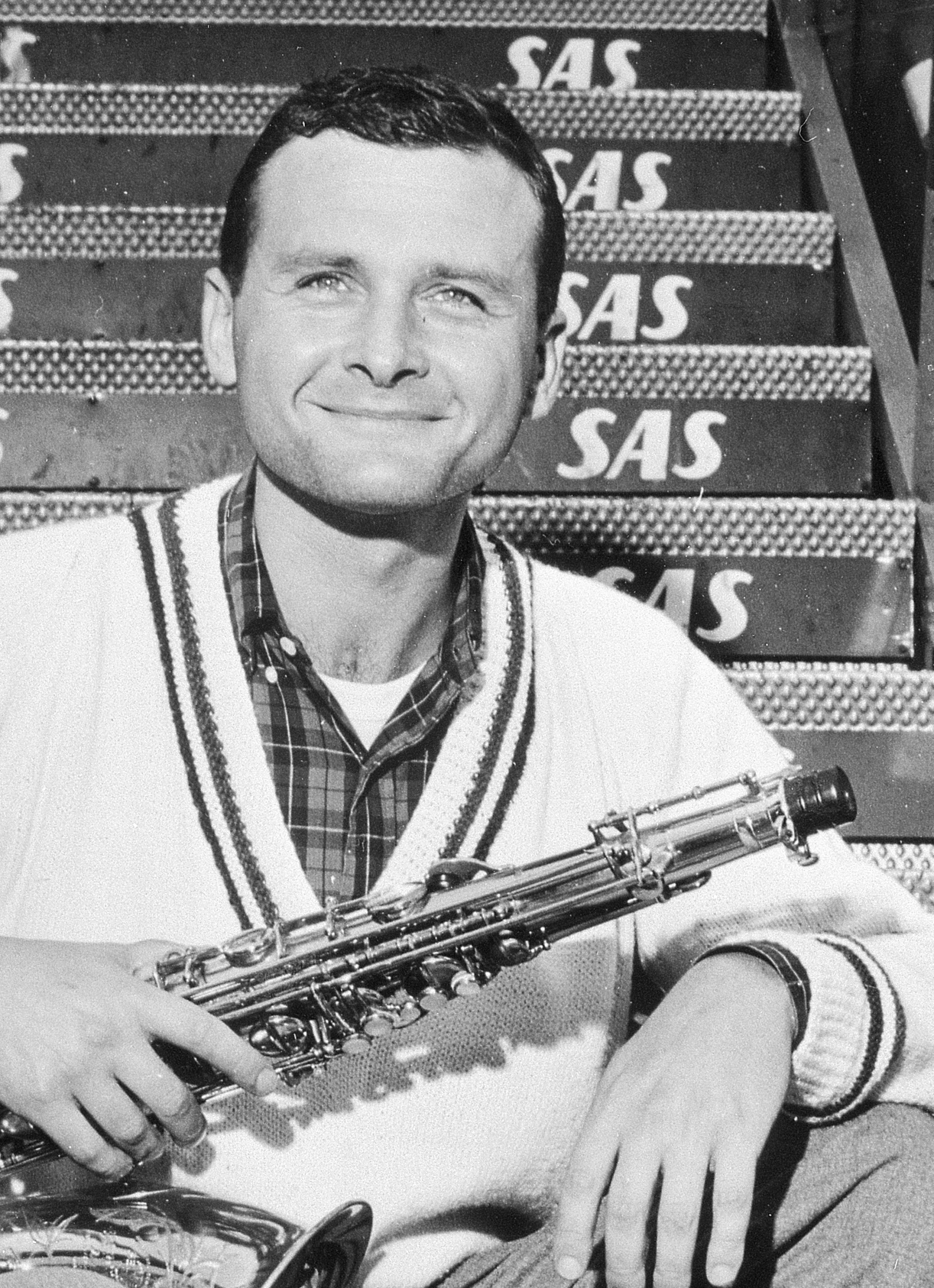

Style and characteristics
Getz's playing was frequently described as warm, lyrical and melodic. His approach blended technical fluency with a distinctly vocal, breath-driven sound. While he could navigate the rapid chromatic vocabulary of bebop, he often favored long, flowing phrases and a light vibrato that set him apart from the harder-edged tenor players of his generation. Critics and fellow musicians have regularly cited his tonal purity and expressive restraint as defining traits.
Early career and recognition
Getz first gained wide exposure in the 1940s as a member of the big bands led by notable bandleaders, most famously Woody Herman. His work with Herman’s ensemble contributed to the development of a distinctive saxophone section sound and helped establish him as one of the leading tenor voices of his era. In the years that followed he became a fixture in small groups and recording sessions across the emerging modern jazz scene.
Bossa nova and international success
In the early 1960s Getz encountered Brazilian musicians whose understated rhythmic style and melodic sensibility resonated with his own aesthetic. Collaborations with Brazilian guitarist and singer João Gilberto and composer Antônio Carlos Jobim led to recordings that blended American jazz improvisation with Brazilian harmony and rhythm. The 1964 recordings featuring the song "The Girl from Ipanema" brought bossa nova to a mainstream global audience and became indelible parts of his public persona.
Notable recordings and impact
- Getz/Gilberto (1964) — a landmark collaboration that reached broad audiences and earned significant critical acclaim.
- Jazz Samba (early 1960s) — one of the earliest American jazz albums to embrace Brazilian rhythms.
- Focus (1961) — an example of Getz exploring orchestral textures alongside improvisation.
- "The Girl from Ipanema" (1964) — an enduring hit that helped bring bossa nova into the popular music canon.
Legacy
Stan Getz is widely regarded as one of the great tenor saxophonists of the 20th century. His tone, melodic instincts and openness to cross-cultural collaboration influenced generations of jazz players and helped bridge jazz and popular music during a period of rapid stylistic change. Though he remained active as a performer and recording artist for many years, his mid-century work—particularly his role in introducing bossa nova to North American and European listeners—remains his best-known contribution to music history.
Author
AlegsaOnline.com Stan Getz: American Tenor Saxophonist and Bossa Nova Pioneer Leandro Alegsa
URL: https://en.alegsaonline.com/art/131143