
Spencer Abraham: U.S. Senator from Michigan and U.S. Secretary of Energy
Profile of Spencer Abraham, a Republican politician from Michigan who served in the U.S. Senate (1995–2001) and as U.S. Secretary of Energy (2001–2005), plus background, career highlights, and further reading.
Overview
Spencer Abraham (born June 12, 1952) is an American Republican politician and lawyer who represented Michigan in the United States Senate from 1995 to 2001 and later served as the 10th U.S. Secretary of Energy. His public career has focused on energy policy, national security and public administration. Abraham is often noted for moving between elected office and executive branch leadership during a period of shifting energy debates in the United States.
Image gallery
3 Images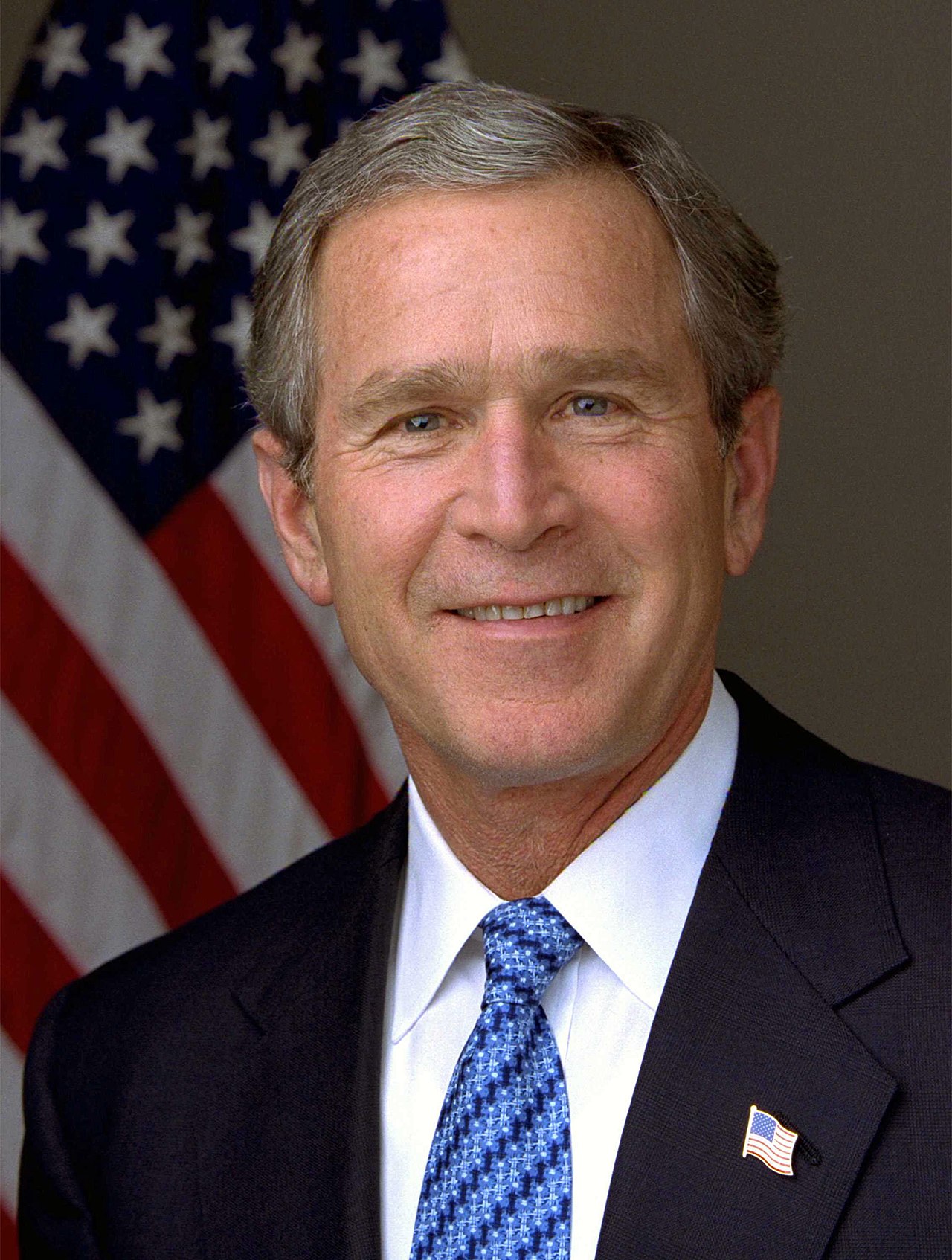

Early life and education
Abraham was born and raised in East Lansing, Michigan. He completed his undergraduate studies at Michigan State University, earning a Bachelor of Arts in 1974, and later received a J.D. from Harvard Law School in 1979. He has practiced law and been involved in public policy work; his family life includes his marriage to Jane Abraham.
United States Senate (1995–2001)
Elected to the Senate in 1994, Abraham served a single six-year term. During his time in the Senate he participated in committee work and contributed to debates over regulatory policy, trade and technology as they related to Michigan's economy. He was defeated for re-election in 2000 by Democrat Debbie Stabenow, a contest that returned the seat to Democratic hands.
Secretary of Energy (2001–2005)
Appointed by President George W. Bush, Abraham served as U.S. Secretary of Energy from 2001 to 2005. In that role he oversaw the Department of Energy's civilian and national security programs, including efforts related to energy supply, research and development, nuclear stewardship and energy infrastructure. His tenure occurred during a period of heightened focus on energy security and the modernization of research facilities.
Later career and legacy
After leaving public office, Abraham remained active in public policy discussions, particularly on energy and national security issues, and participated in civic and private-sector initiatives. His career illustrates a pathway from state roots and legal training to national legislative service and cabinet-level administration, reflecting broader themes in American public life about the intersection of politics, law and technology policy.
Further reading and resources
- Biographical overview and timeline
- Senate record and committee service
- Selected speeches and statements
- Department of Energy history: tenure and initiatives
- Energy policy and program summaries
- Interviews and public appearances
- Early life and Michigan connections
- Educational background and alumni notes
- Post-government commentary and analysis
- Archival materials and research guides
Author
AlegsaOnline.com Spencer Abraham: U.S. Senator from Michigan and U.S. Secretary of Energy Leandro Alegsa
URL: https://en.alegsaonline.com/art/131084