
Slavoj Žižek: Slovenian philosopher, cultural critic, and public intellectual
Overview of Slavoj Žižek, his ideas, major works, intellectual influences, public role, and notable facts about his career and reception.
Slavoj Žižek (born 21 March 1949) is a Slovenian philosopher and cultural critic known for combining continental philosophy, Marxist theory and Lacanian psychoanalysis. He rose to international prominence with English-language publications and frequent public lectures. His work addresses ideology, subjectivity and contemporary politics through analyses of literature, cinema and popular culture.
Image gallery
3 Images
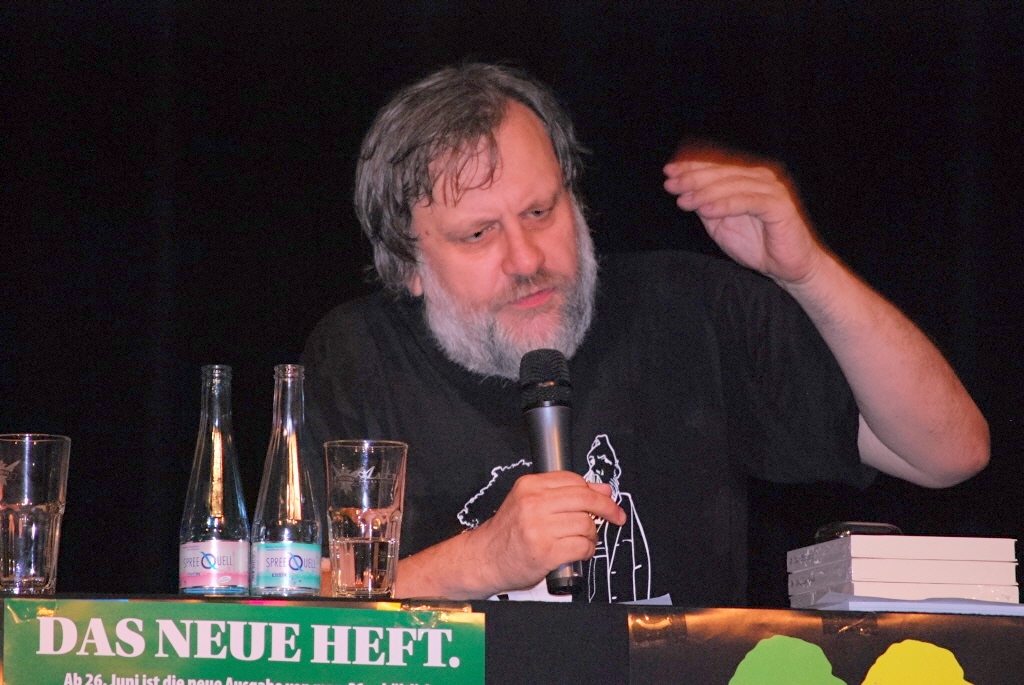
Approach and major themes
Žižek’s interventions are characterized by an eclectic style: dense theoretical argument mixed with jokes, film references and provocative examples. He draws heavily on the psychoanalytic theories of Jacques Lacan, on Hegelian and Marxist traditions, and on critiques of ideology. Recurring topics include the unconscious dimensions of politics, how ideology shapes everyday life, and the role of fantasy in social attachments.
Works and public presence
He has written extensively, producing numerous books and essays. His first major book in English, The Sublime Object of Ideology, helped introduce his blend of theory and cultural commentary to a wider audience. He contributes opinion pieces and cultural commentary to outlets such as The Guardian and appears frequently in documentaries, interviews and public debates.
Topics and examples
- Psychoanalysis — Žižek uses Lacanian ideas to explain how desires and unconscious structures shape politics.
- Politics — He offers Marxist-inflected critiques of capitalism and contemporary political movements.
- Theology — Occasionally explores religious themes to illuminate secular belief and ethics.
His use of popular culture—especially films and literature—as case studies is a signature tactic: familiar examples help make abstract concepts more tangible and often generate lively public interest, as well as criticism from academics and commentators.
Žižek’s career has been marked by both acclaim and controversy. Supporters praise his inventive synthesis of traditions and his talent for rethinking ideological formations; critics fault his rhetorical excesses and occasional provocations. Aside from his academic output, he is a prolific public intellectual. He married Slovenian journalist Jela Krečič in 2013 and continues to lecture internationally, influencing debates across philosophy, cultural studies and political theory.
For further reading on his theoretical methods and impact, consult introductory sources and collections of his essays that trace the development of his ideas and their reception in contemporary thought. His work remains a focal point for those interested in the intersections of psychoanalysis, Marxism and cultural critique.
Author
AlegsaOnline.com Slavoj Žižek: Slovenian philosopher, cultural critic, and public intellectual Leandro Alegsa
URL: https://en.alegsaonline.com/art/131001