
Shane Warne — Australian leg-spin bowler and cricket icon
Comprehensive profile of Shane Warne: his career as an elite leg-spinner, records and signature moments, influence on cricket, post-retirement roles, and personal background.
Overview
Shane Keith Warne (13 September 1969 – 4 March 2022) was an Australian professional cricketer widely regarded as one of the most influential bowlers in modern cricket. He is credited with reviving the art of leg-spin bowling at the highest level, combining sharp turn, flight and tactical variation to unsettle batsmen across conditions. Over a Test career that began in 1992 and ended with his retirement in 2007, Warne developed a global reputation for match-winning spells, dramatic deliveries and strong competitive instincts. After retiring from international play he worked as a broadcaster, coach and mentor, remaining a visible figure in the sport.
Image gallery
8 Images


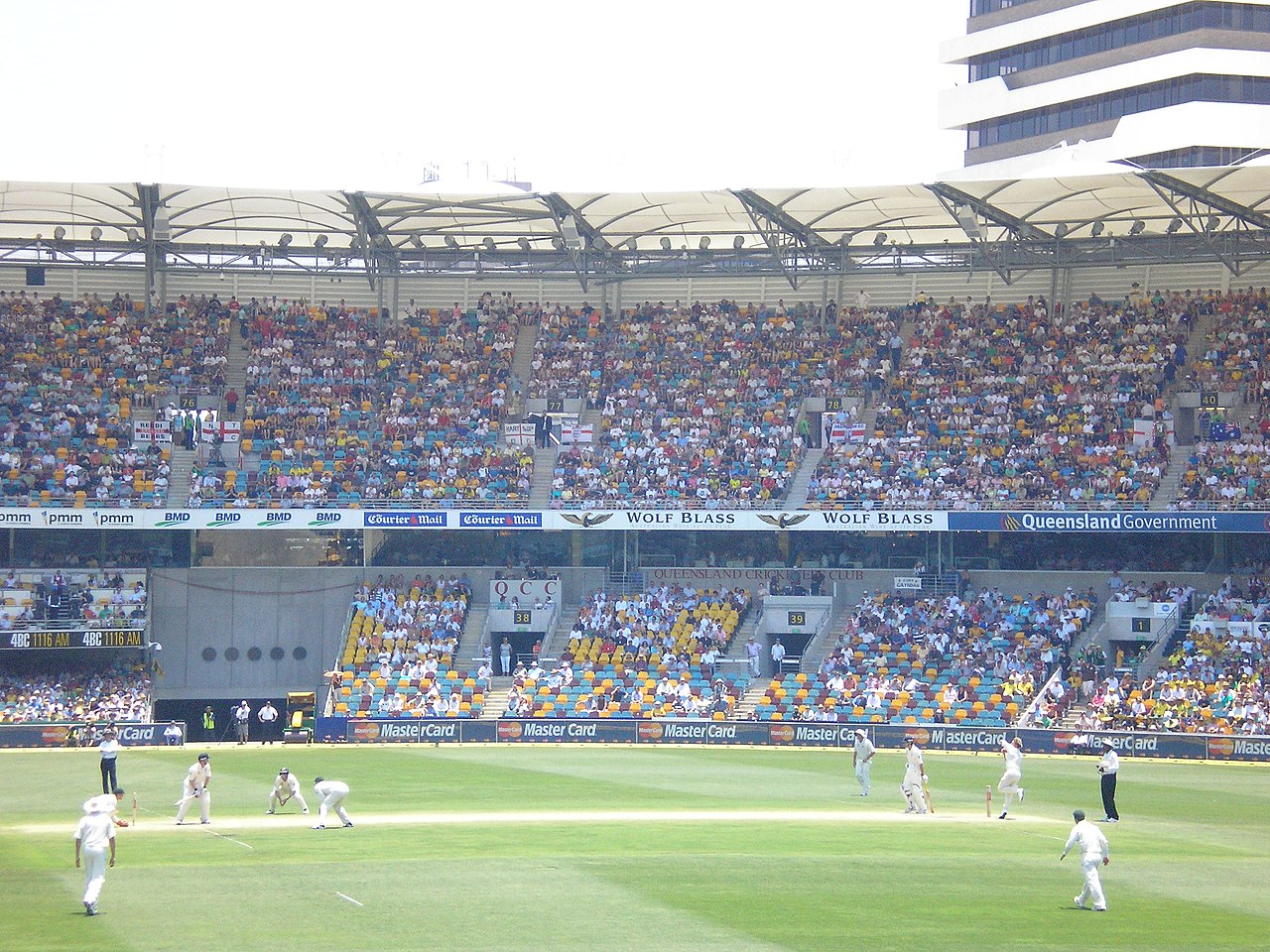


Early life and domestic career
Warne was born in Upper Ferntree Gully, a suburb of Melbourne, Victoria, and came through the Australian domestic system before establishing himself in the national team. He represented Victoria at first-class level and featured prominently in domestic competitions, where his performances earned him selection for Australia. His domestic form helped refine the variations that would later define his international success.
International career and records
Warne made his Test debut in 1992 and quickly became a central figure in the Australian bowling attack. He finished his Test career with 708 wickets from more than 40,000 balls bowled, a tally that is the second-highest in Test history and the most by any leg-spinner. He played key roles in many Ashes contests against England and in other major series. He also appeared regularly in One Day Internationals and captained Australia in ODIs on occasion, while contributing across formats until his retirement from international cricket in January 2007, following Australia's 5–0 Ashes series victory that season.
Playing style and signature deliveries
Warne was a right-arm leg-spin bowler known for his ability to impart sharp, late turn on the ball and for disguising pace and length. His principal weapons included the classic leg break, a flatter top-spinner and the occasional flipper. He used flight, angle and subtle changes in release to out-think batters and to induce false strokes. One of the most celebrated single deliveries in cricket history — the 1993 ball to England's Mike Gatting, often called the "Ball of the Century" — showcased his capacity to turn the ball prodigiously from outside leg stump to hit off stump, and it is frequently cited as a defining moment of his early career.
Notable achievements and milestones
- 708 Test wickets: a career total that places him among the sport's all-time leaders.
- Longest influence: a durable international career spanning the 1990s and 2000s, during which he shaped many important results.
- Domestic and franchise impact: continuing involvement in high-profile leagues and teams as a player, mentor and coach after his international retirement.
Legacy and influence
Warne's impact extended beyond statistics. He inspired a resurgence of leg-spin coaching and encouraged young bowlers to develop wrist-spin skills. Coaches and players often point to his tactical nous — his field placements, the sequencing of variations and psychological approach to batsmen — as part of his lasting legacy. He was regularly the subject of retrospective honours, selection in commemorative teams and discussion in cricket literature. His post-retirement work as a commentator and mentor helped disseminate technical and tactical insights to new generations of players and fans.
Post-retirement roles
After retiring from international cricket, Warne remained active in the game. He worked as a television and radio broadcaster, provided coaching and advisory services to teams and players, and participated in franchise competitions. He was involved with franchise cricket in different capacities and shared his expertise through clinics and commentary, contributing to public understanding of bowling craft and match tactics. Readers can find statistical compilations and season analyses at archival records and broader career summaries at record pages.
Controversies and public life
Warne's career and personal life were sometimes subject to controversy and intense media attention. He was a high-profile public figure whose off-field activities attracted scrutiny, and like many prominent athletes he faced episodes that prompted debate and comment from the media and cricket authorities. These aspects of his public life are part of the fuller picture of his career and reception.
Personal life
He had three children with his former wife, Simone Callahan. A distinctive physical characteristic was complete heterochromia: one of his eyes appeared blue and the other green. He was an Australian sporting figure with strong ties to Melbourne, and his life outside cricket included media work, business interests and charity involvement.
Death and tributes
Warne died unexpectedly on 4 March 2022 at his villa on the island of Ko Samui in Thailand. Reports at the time indicated a suspected heart attack. His passing prompted extensive tributes from teammates, opponents, cricket administrators and fans worldwide. Memorials, retrospectives and analyses of his career—ranging from statistical assessments to personal reminiscences—appeared in many outlets; readers seeking team perspectives and historical context can consult team histories and format discussions at format analyses. Additional local biographical material is available in Melbourne-focused profiles at Melbourne biographies.
Why he matters
Shane Warne remains a defining figure in late 20th- and early 21st-century cricket. He is remembered for match-turning spells, a distinctive bowling art that helped re-establish leg-spin as a central discipline, and a personality that engaged supporters and critics alike. His techniques, memorable deliveries and contributions to coaching and commentary ensure that his influence on the game's tactics and teaching endures. For statistical summaries, match lists and career timelines consult comprehensive series retrospectives and records compendia referenced above.
Author
AlegsaOnline.com Shane Warne — Australian leg-spin bowler and cricket icon Leandro Alegsa
URL: https://en.alegsaonline.com/art/130754