
Sequoyah — Cherokee creator of the Cherokee syllabary
Sequoyah (c.1770–1843) was a Cherokee silversmith and inventor who developed a syllabary that enabled widespread literacy in the Cherokee language and transformed Cherokee communication and print culture.
Overview
Sequoyah, also known by the English names George Gist or George Guess, was a member of the Cherokee Nation who devised a practical writing system for his people. Largely self-taught and unable to read English when he began, he created a set of characters that recorded spoken Cherokee as written symbols, enabling rapid learning and reading in the native language.
Image gallery
10 Images



Background and life
Born in the late 18th century in the southeastern United States, Sequoyah worked as a silversmith and craftsman. His interest in written communication grew from observing the power of writing in English-speaking communities and from personal motivation to leave a lasting record for his people. He is remembered for combining practical craftsmanship with linguistic intuition.
Invention and characteristics
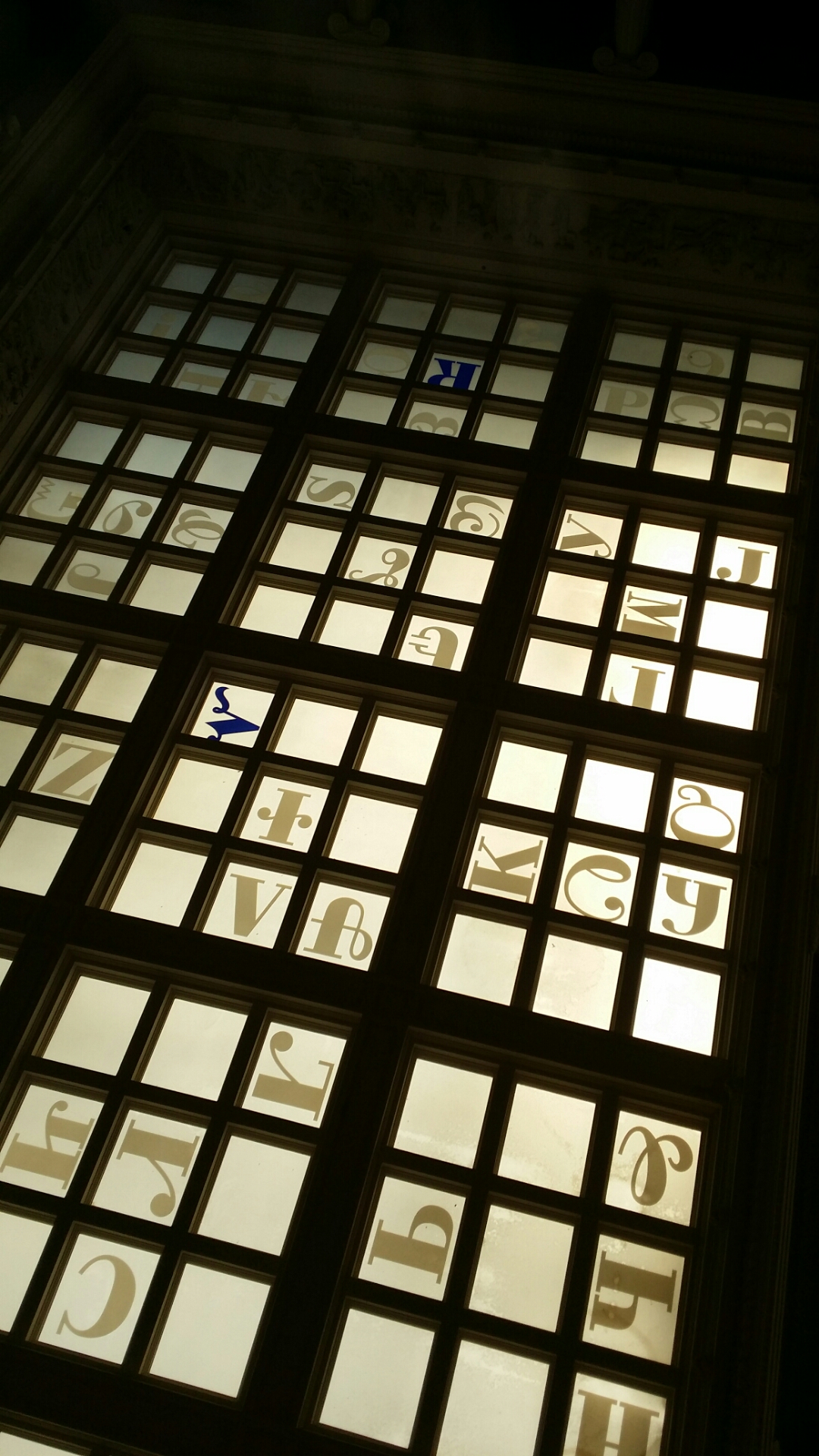
Rather than an alphabet that represents individual sounds, Sequoyah devised a syllabary — a system in which each sign corresponds to a syllable in Cherokee speech. The set of symbols was compact enough to be learned quickly and flexible enough to represent the language’s syllable structure. Early demonstrations showed that Cherokee speakers could become literate in weeks rather than years.
Adoption and impact
The syllabary spread rapidly across Cherokee communities and was adopted for private and official use. It made possible printed newspapers, legal documents, and educational materials produced in Cherokee, most famously facilitating the publication of bilingual newspapers and helping preserve cultural knowledge during a period of major upheaval.
Legacy and notable facts
Sequoyah’s work had lasting cultural and political effects: it increased literacy, strengthened internal communication, and supported a written literary tradition. He is commemorated by monuments, place names, and educational institutions. The syllabary remains in use today and is taught to new generations.
- Inventor: Sequoyah (George Gist/Guess).
- System type: syllabary rather than a strict alphabet.
- Language served: Cherokee (language).
- Significance: rapid rise in literacy and use in print culture.
For further reading about the historical context and modern use of Sequoyah’s syllabary, see resources linked here: Cherokee history, writing systems, syllable-based scripts, and Cherokee language.
Author
AlegsaOnline.com Sequoyah — Cherokee creator of the Cherokee syllabary Leandro Alegsa
URL: https://en.alegsaonline.com/art/130680