
Sejo of Joseon
Sejo (1417–1468), seventh king of Joseon, seized the throne from his nephew and enacted administrative and legal reforms that strengthened central authority; his rule remains controversial.
Sejo of Joseon (1417–1468) was the seventh monarch of Korea's Joseon dynasty. A son of the celebrated ruler Sejong the Great, he began his career as Grand Prince and later became king after a dramatic political struggle. His reign combined decisive, sometimes ruthless, political action with a program of institutional reform intended to stabilize and strengthen royal government.
In Korean sources his regnal name appears as 조선 세조. After the short reign of his elder brother, Munjong, the court fell under the control of powerful ministers who guided the young successor. Sejo moved to break that dominance in a coup in 1453, often called the Gyeyu coup, removing rival officials and securing effective control of the state before formally taking the throne in 1455.
Image gallery
4 Images
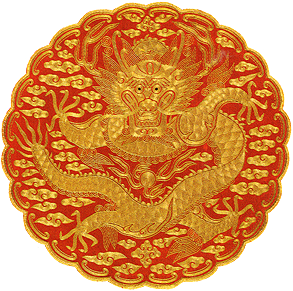


Rise to power
Sejo's accession was the result of a deliberate and well-organized power seizure. Working with loyal supporters in the military and palace, he arrested and eliminated leading members of the opposing faction, asserted regency over the boy king Danjong and ultimately compelled the king to abdicate. Records report that Danjong was later removed from life, an act that has shaped assessments of Sejo's character ever since.
Reforms and governance
Once established as monarch, Sejo pursued a program to consolidate central authority. He reorganized administrative procedures, clarified official responsibilities, and pushed forward the compilation and revision of legal and administrative codes that provided a firmer basis for governance. These measures strengthened the bureaucracy, improved provincial administration, and made royal directives more effective across the realm.
Legacy and significance
Historians view Sejo ambivalently. On one hand, his seizure of power and the fate of his nephew are condemned as usurpation and cruelty. On the other hand, many of his institutional reforms had lasting effects: they reinforced monarchy, streamlined government functions, and reduced the ability of aristocratic factions to dominate policy. Subsequent rulers inherited a more centralized administrative framework shaped in part by his initiatives.
Notable facts
- He was born in 1417 and died in 1468; his rule began after a coup and an enforced abdication.
- Sejo combined military action with legal and bureaucratic reform to strengthen royal control.
- His reign remains a frequent subject of debate among scholars, balancing state-building achievements against the moral costs of his rise to power.
Author
AlegsaOnline.com Sejo of Joseon Leandro Alegsa
URL: https://en.alegsaonline.com/art/130662