
Seán Lemass (1899–1971): Irish statesman and architect of economic modernization
Seán Lemass was an Irish Fianna Fáil leader and Taoiseach (1959–1966) who steered Ireland toward industrialization and economic openness during the mid-20th century.
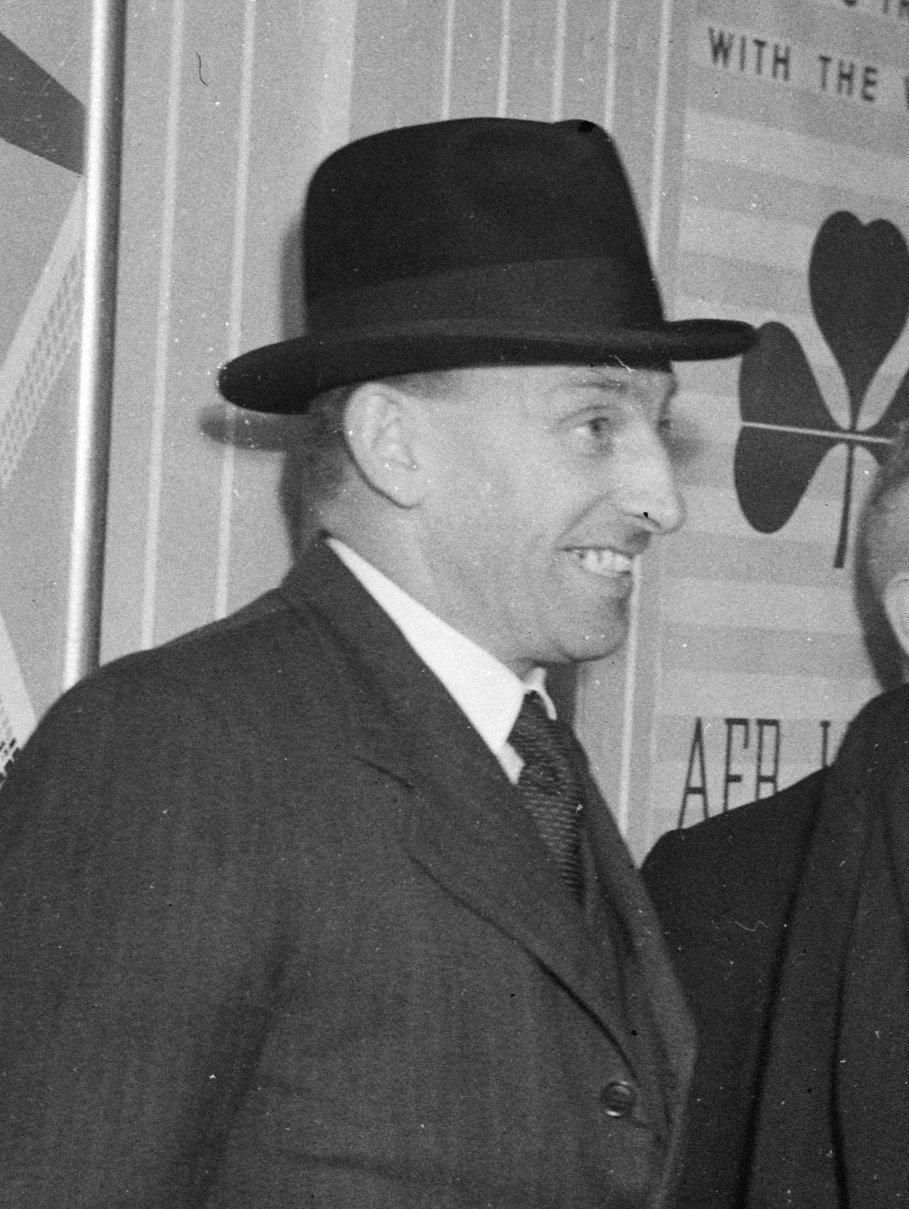
Seán Francis Lemass (born John Francis Lemass; 15 July 1899 – 11 May 1971) was a leading Irish politician who played a central role in the country’s transition from a protectionist, agricultural economy to a more open, industrial one. A senior figure in Fianna Fáil, he served as Taoiseach from 1959 to 1966 and occupied several senior cabinet posts across four decades while representing Dublin constituencies as a Teachta Dála from 1924 to 1969.
Image gallery
5 Images



Early life and political rise
Lemass was born in Dublin and came of age during the revolutionary period in Ireland. He entered the political life of the new Irish state in the 1920s and rose within Fianna Fáil as the party became the dominant force in Irish politics. Over the years he accumulated extensive administrative experience, holding ministerial briefs that included responsibility for industry, commerce and wartime supplies. He was also appointed Tánaiste (deputy head of government) on several occasions before becoming party leader and prime minister.
Policies and leadership
As Taoiseach, Lemass is widely remembered for shifting government strategy away from strict protectionism toward policies that encouraged industrial development, export growth and foreign investment. He favored pragmatic economic management and championed closer cooperation between government and a professional civil service. His administration encouraged modernization of infrastructure, vocational and technical development, and a more outward-looking trade policy that sought to integrate Ireland more fully into global markets.
Offices held
- Led Fianna Fáil and served as Taoiseach (1959–1966).
- Held the posts of Tánaiste and Minister for Industry and Commerce at different periods between the 1930s and 1950s.
- Served continuously as a TD from 1924 until his retirement in 1969.
Legacy and significance
Lemass is frequently credited with initiating the practical reforms and cultural changes that enabled later economic growth. He worked with senior civil servants and economists to move policy away from inward-looking measures and toward incentives for enterprise and exports. His leadership style combined political steadiness with a willingness to experiment and to entrust policy design to experts. After retiring in 1966 he left the leadership to a younger generation, and historians often view his tenure as a turning point that set Ireland on a path to modernization.
Notable aspects of Lemass's career include his long service in parliamentary politics, his multiple cabinet roles, and his reputation as a pragmatic modernizer who balanced party loyalty with a focus on national economic development. For further reading about his party and constitutional offices see entries on Fianna Fáil, the office of the Taoiseach, the role of the Tánaiste, and the institution of the Teachta Dála.
Author
AlegsaOnline.com Seán Lemass (1899–1971): Irish statesman and architect of economic modernization Leandro Alegsa
URL: https://en.alegsaonline.com/art/130611