
I. Lewis "Scooter" Libby — American lawyer and former Cheney aide
I. Lewis "Scooter" Libby is an American lawyer who served as chief of staff and national security advisor to Vice President Dick Cheney; he was convicted in the CIA leak investigation, later commuted and pardoned.
I. Lewis "Scooter" Libby (born August 22, 1950) is an American attorney best known for his senior advisory role to Vice President Dick Cheney and for his involvement in the investigation into the public disclosure of a CIA officer's identity. Libby served in the Office of the Vice President from 2001 until 2005, holding the posts of Assistant to the Vice President for National Security Affairs and Chief of Staff to the Vice President. He has been a prominent and controversial figure in discussions of executive branch policymaking, national security, and ethics in public service.
Image gallery
2 Images
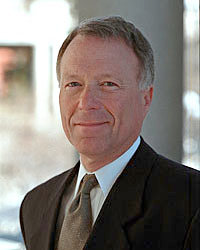
Career and responsibilities
As a senior aide to Dick Cheney, Libby worked at the center of national security and foreign policy decision-making during the early years of the George W. Bush administration. His duties combined policy coordination, staff management, and strategic advice on security matters. Prior to his White House service he worked as an attorney and in various public and private sector roles; after leaving government he returned to private practice and public commentary.
Plame investigation and criminal case
Libby became the subject of a federal criminal investigation that focused on the disclosure of a Central Intelligence Agency (CIA) officer's identity to the press. The inquiry followed reporting and political controversy around intelligence assessments of Iraq's weapons programs. In 2005 Libby was indicted by a grand jury and in 2007 he was convicted on counts that included perjury, obstruction of justice, and making false statements to investigators. The convictions stemmed from how he testified and what he told investigators about conversations with journalists during the inquiry.
Sentence, commutation and pardon
The conviction resulted in a prison sentence, a period of supervised release, and monetary penalties. Following appeal efforts, President George W. Bush commuted Libby's prison term in July 2007, eliminating the custodial sentence while leaving the conviction, fines and supervised release in place. After years of legal and public debate about the case and its implications, President Donald Trump granted Libby a full pardon on April 13, 2018, restoring certain civil rights that had been limited by the conviction.
Aftermath, professional status and public perception
As a consequence of the conviction, Libby's license to practice law was suspended; he later sought and received reinstatement to practice in some jurisdictions. The case has remained a touchstone for discussions about the treatment of classified information, the legal obligations of witnesses, and the balance between national security concerns and political accountability. Supporters have emphasized his long record of public service and questioned whether the outcome reflected prosecutorial overreach; critics have argued the case illustrated problems with transparency and the handling of intelligence in the lead-up to the Iraq War.
Notable facts and distinctions
- Widely known by the nickname "Scooter," Libby was one of the most senior aides to the vice president during a period of intense foreign policy debate.
- The criminal charges against him were focused on his conduct during the investigation rather than on a charge of leaking classified material itself.
- The sequence of conviction, commutation of the prison term, later reinstatement of legal privileges, and eventual presidential pardon has made the Libby case a frequent reference in discussions about executive clemency and legal accountability for government officials.
For further reading on the institutional context and legal aspects of the case, see official reports and contemporaneous legal filings and commentary. The Libby matter continues to be cited in analyses of national security policymaking and the legal obligations of public officials when questioned by investigators.
Author
AlegsaOnline.com I. Lewis "Scooter" Libby — American lawyer and former Cheney aide Leandro Alegsa
URL: https://en.alegsaonline.com/art/130569