
Sauli Niinistö — Finnish president, lawyer and long-serving political leader
Profile of Sauli Niinistö, born 1948, a lawyer and politician who has served as President of Finland since 2012; covers his education, political career, presidency, role in Finland's NATO accession, and personal life.
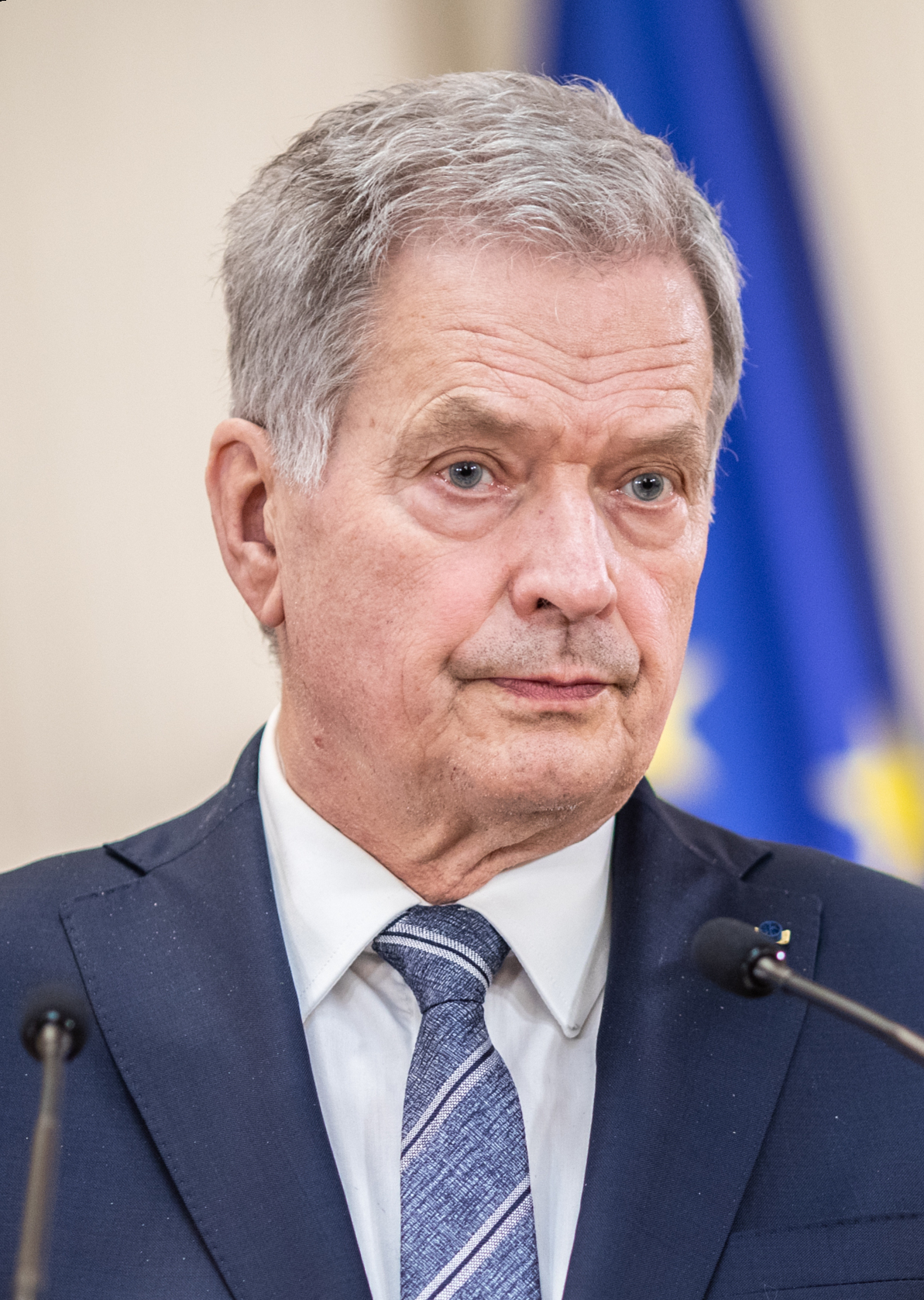
Overview: Sauli Väinämö Niinistö (born 24 August 1948) is a Finnish politician and lawyer who has served as President of Finland since 1 March 2012. His presidency followed a long career in national politics, including ministerial posts, parliamentary leadership and party chairmanship. He is widely regarded as a pragmatic conservative who has emphasized stability, consensus and a careful approach to foreign affairs.
Image gallery
10 Images



Early life and education
Niinistö was born in Salo, in southwestern Finland. He studied law and earned a degree that qualified him for legal practice; his training provided a foundation for later work in government and public finance. Early in his career he served on local municipal bodies before entering the national legislature, building experience in both grassroots politics and legal-administrative matters. For information on his legal background see legal profile.
Political rise and offices held
He was first elected to the Finnish Parliament from the district of Finland Proper and rose through the ranks of the centre-right National Coalition Party. Niinistö served as Minister of Finance from 1996 to 2003, a period when Finland addressed budgetary and economic issues related to changing European markets. He led his party as chairman in the 1990s and was Speaker of the Parliament from 2007 to 2011, acting as a key figure in legislative procedures and national debates. His parliamentary role is discussed further at Parliament.
Presidency and foreign policy
Elected president in 2012, Niinistö has focused on steady stewardship of Finland's international relations and national security. During his terms, Finland navigated shifting European security dynamics and ultimately pursued closer cooperation with NATO. Under his leadership Finland applied to join NATO following the security upheaval in Europe in 2022 and completed the accession process while he was in office. His presidency is often described as calm and consensual, emphasizing diplomatic engagement with neighbors and partners.
Domestic priorities and public image
Domestically, Niinistö has kept a largely nonpartisan presidential style, seeking broad public support across political lines. He has been perceived as a stabilizing presence in national crises and enjoyed high approval ratings for much of his tenure. His approach combines fiscal experience from his years as Finance Minister with the symbolic and unifying duties of the presidency, reflecting a balance between administrative competence and ceremonial responsibilities.
Personal life and notable facts
Niinistö's personal life has been in the public eye: his first wife died in a traffic accident in 1995; he later married Jenni Haukio in 2009. He is the first president from the National Coalition Party since Juho Kusti Paasikivi left office in 1956, a historical note often cited in accounts of modern Finnish politics — see Paasikivi for context. Niinistö has also been involved in European political networks and has received recognition for his role in international dialogue.
Key positions and legacy
- Minister of Finance (1996–2003), responsible for budget and economic policy.
- National Coalition Party leader and long-serving parliamentarian.
- Speaker of Parliament (2007–2011), then President (from 2012).
- Presided during Finland's shift toward NATO membership and changing security policy.
Niinistö's legacy will be evaluated in terms of political steadiness, his role in adapting Finland's security posture to a new European environment, and his ability to maintain popular support while performing both ceremonial and substantive functions of the presidency. For official information about his office and duties see presidential resources.
Author
AlegsaOnline.com Sauli Niinistö — Finnish president, lawyer and long-serving political leader Leandro Alegsa
URL: https://en.alegsaonline.com/art/130548