
Ruud Lubbers
Ruud Lubbers (1939–2018) was a Dutch politician who served as Prime Minister from 1982 to 1994 and later as United Nations High Commissioner for Refugees. He is known for long tenure, economic reform and European engagement.

Rudolphus Franciscus Marie "Ruud" Lubbers was a prominent Dutch statesman who led the Netherlands through a period of economic restructuring and European integration. A leading figure of the Christian Democratic Appeal, he served as Prime Minister from 4 November 1982 until 22 August 1994 and remains the youngest person to take the office as well as the longest-serving prime minister in Dutch history. His later international role was as United Nations High Commissioner for Refugees.
Image gallery
10 Images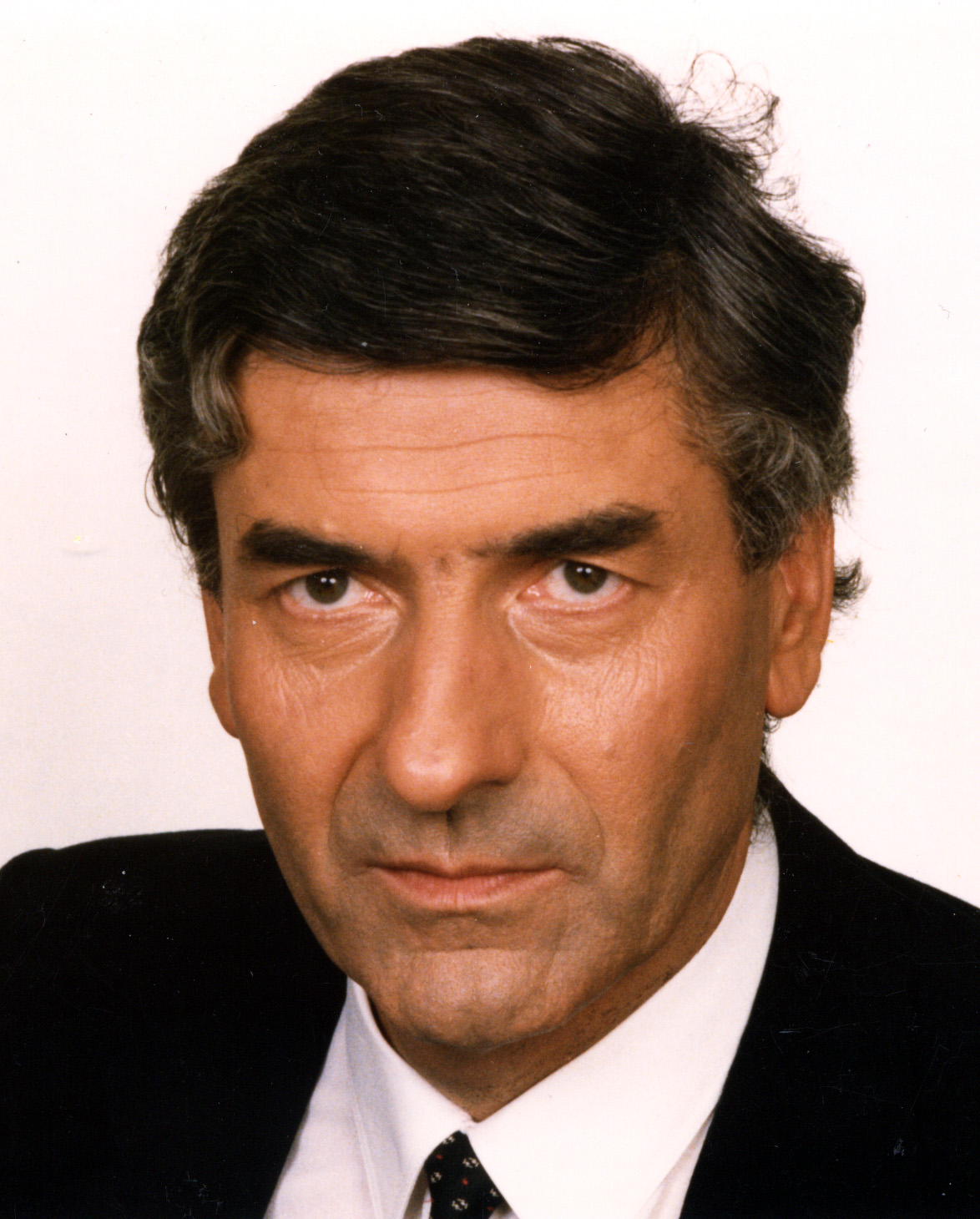



Background and political rise
Lubbers had a background in economics and entered national politics at a time of growing debate about public spending, labour markets and the welfare state. As a party leader he became known for pragmatic coalition-building and for steering his party through domestic and European challenges. During his premiership he led multiple consecutive cabinets and became a recognizable figure both in the Netherlands and abroad.
Prime ministership (1982–1994)
His governments confronted persistent budget deficits and unemployment. Lubbers pursued policies intended to reduce public expenditure, strengthen the labour market and stimulate private enterprise. These measures included restraint in social spending and encouragement of market-oriented reforms. He also supported deeper cooperation within the European Community and represented Dutch interests in European politics throughout the 1980s and early 1990s.
Policies, style and legacy
Observers often describe Lubbers as pragmatic and consensus-oriented: he sought compromise among coalition partners and emphasized managerial competence. His tenure is commonly credited with contributing to an economic recovery in the Netherlands after a difficult decade, though assessments differ about the social costs of retrenchment. His record continues to be discussed in studies of neoliberal reform, coalition governance and Dutch foreign policy.
United Nations and later years
After leaving national office, Lubbers accepted an international appointment and in January 2001 became the United Nations High Commissioner for Refugees. He resigned from that post in February 2005 following an allegation of sexual harassment by a staff member. In later years he remained a public commentator on European and humanitarian affairs. He died on 14 February 2018 in Rotterdam, aged 78.
Notable facts and further reading
- Nationality and political identity: Dutch politician associated with center-right Christian-democratic politics.
- Long tenure: remembered for being the longest-serving prime minister in modern Dutch history and for leading the government during a period of structural economic policy change.
- International role: his leadership at the UN refugee agency was a major post-government appointment and ended amid controversy.
For concise biographical entries and archival materials consult national archives and reputable political histories that treat late 20th-century Dutch government, European integration and international refugee policy. Additional resources are available through institutional profiles and historical overviews of the office of the Prime Minister.
Author
AlegsaOnline.com Ruud Lubbers Leandro Alegsa
URL: https://en.alegsaonline.com/art/130226