
Rudolf Seiters: German CDU Politician and Humanitarian Leader
Overview of Rudolf Seiters (born 1937), his political career in the CDU, roles in the German federal government and Bundestag, and later work as President of the German Red Cross.

Overview
Rudolf Seiters (born 13 October 1937 in Osnabrück) is a German politician affiliated with the Christian Democratic Union. He is widely known for senior roles in the federal government and later for his leadership of a major humanitarian organization. For basic biographical references see Osnabrück and his party affiliation at the CDU.
Image gallery
2 Images
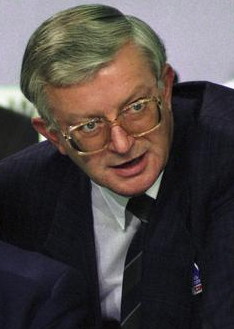
Political career and offices
Seiters served in a series of high-level public offices during a long career in public life. His most prominent appointments at the federal level include:
- Federal Minister for Special Affairs and Head of the Office of the German Chancellery (1989–1991)
- Federal Minister of the Interior (1991–1993)
- Vice President of the German Bundestag (1998–2002)
These posts placed him at the centre of executive and parliamentary administration, acting as a senior adviser to the chancellor, overseeing coordination between ministries, and later presiding over parliamentary business as one of the Bundestag's deputy speakers. For a general identification as a politician see politician.
Roles and responsibilities
As Head of the Chancellery, Seiters coordinated policy across ministries and supported the chancellor's agenda at a time of major national change. The Interior Ministry role made him responsible for domestic security, civil protection and administration. As Vice President of the Bundestag he helped manage parliamentary procedures and represented the chamber in official functions.
Later work and humanitarian leadership
After leaving frontline politics, Seiters was elected President of the German Red Cross in 2003. In that capacity he led one of Germany's largest humanitarian organizations, engaging with disaster relief, public health initiatives and international aid partnerships. His transition from politics to civil society is an example of senior public figures moving into humanitarian administration.
Significance and context
Seiters' career illustrates the roles senior politicians can play across executive, parliamentary and non-governmental arenas. His work spanned coordination of government policy, responsibility for internal affairs, and later stewardship of humanitarian response efforts. Observers note that such a career path highlights the intersections between governance and civil society in contemporary Germany.
Selected timeline
- Born 1937 in Osnabrück.
- Head of the Chancellery and Federal Minister for Special Affairs, 1989–1991.
- Federal Minister of the Interior, 1991–1993.
- Vice President of the Bundestag, 1998–2002.
- Elected President of the German Red Cross, 2003.
This article provides a concise portrait of Rudolf Seiters' public roles and their broader significance. For further detail consult dedicated biographical sources and institutional histories of the offices mentioned.
Author
AlegsaOnline.com Rudolf Seiters: German CDU Politician and Humanitarian Leader Leandro Alegsa
URL: https://en.alegsaonline.com/art/130163