
Roy Orbison — American singer-songwriter known for his operatic voice
Roy Orbison (1936–1988) was an American singer-songwriter noted for a wide vocal range, emotional ballads and landmark 1960s hits such as "Only the Lonely" and "Oh, Pretty Woman."
Overview
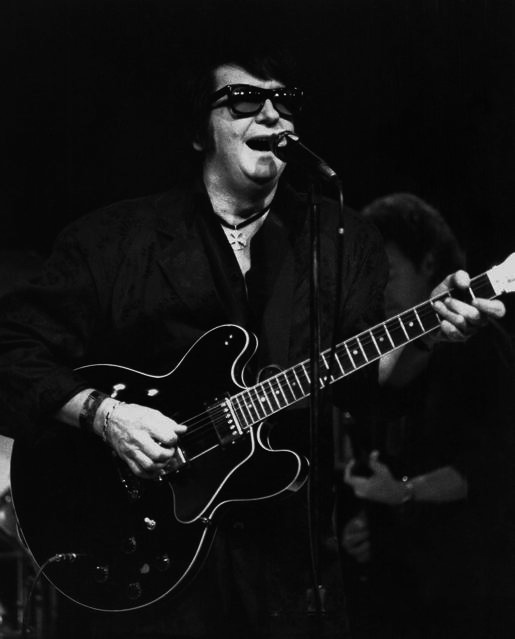
Roy Orbison (April 23, 1936 – December 6, 1988) was an American singer and songwriter whose work in the early 1960s helped shape popular balladry and rock-era pop. He combined a remarkable vocal range with dramatic, often melancholic melodies and a distinctive stage image — dark clothes and round sunglasses — that made him instantly recognizable.
Image gallery
10 Images



Musical style and characteristics
Orbison's singing is often described as operatic for its sustained high notes and emotional intensity. His songs frequently build from quiet verses into sweeping climaxes, using orchestral arrangements, unusual chord changes and lyrical themes of longing, loss, and isolation. He co-wrote many of his best-known pieces and worked with producers and songwriters who helped craft a lush, cinematic sound that stood apart from the more beat-driven records of the time.
Career and development
Orbison began performing as a young musician in Texas before gaining national attention in the late 1950s and early 1960s. He recorded a string of hits for Monument Records, including "Only the Lonely," "Crying," "Running Scared," "In Dreams," and "Oh, Pretty Woman." Though his popularity waned in the 1970s amid changing musical trends, he experienced a late-career revival in the 1980s. He joined the supergroup Traveling Wilburys, alongside well-known contemporaries, and was working on a new solo album when he died of a heart attack in 1988 in Henderson, Tennessee. He had been inducted into the Rock and Roll Hall of Fame in 1987.
Notable works and collaborations
- Signature singles: "Only the Lonely," "Crying," "In Dreams," "Running Scared," "Oh, Pretty Woman."
- Noted collaborations: songwriting partnerships and studio work that produced dramatic arrangements; later work with the Traveling Wilburys and contemporary producers.
- Covers and influence: several Orbison songs were successfully covered by other artists, and his compositions have appeared frequently in films and on reissues.
Legacy and influence
Orbison's influence extends across generations of musicians. His emotional delivery and willingness to fuse pop with cinematic orchestration inspired singers and songwriters who followed. He is widely cited as an influence by rock and pop artists, and his music continues to be reissued, anthologized and used in film and television, preserving his reputation as one of the era's most distinctive voices.
Distinctive facts
Among notable aspects of his career are the scarcity of upbeat singles relative to his fame for ballads, his recognizable visual persona, and the way his records frequently subverted standard pop structures. Despite periods of commercial decline and personal tragedy in the 1960s, Orbison's body of work has endured and remains a touchstone for expressive vocal performance in popular music.
For further reading on Orbison's life and music, use general music reference sources or dedicated biographies and archival collections that explore his recordings, collaborations, and the cultural impact of his songs.
Author
AlegsaOnline.com Roy Orbison — American singer-songwriter known for his operatic voice Leandro Alegsa
URL: https://en.alegsaonline.com/art/130138