
Ron Paul: American physician, congressman, and libertarian leader
Ron Paul (born 1935) is an American physician and politician known for libertarian views. He served multiple terms in the U.S. House for Texas, ran for president, and remains influential in libertarian and monetary debates.
Ronald Ernest "Ron" Paul (born August 20, 1935) is an American physician and political figure best known for promoting libertarian ideas. He served multiple terms in the U.S. House of Representatives representing districts in the state of Texas. Though retired from Congress, he continues to speak, write, and lead organizations that advocate limited government, individual liberty, and noninterventionist foreign policy.
Image gallery
10 Images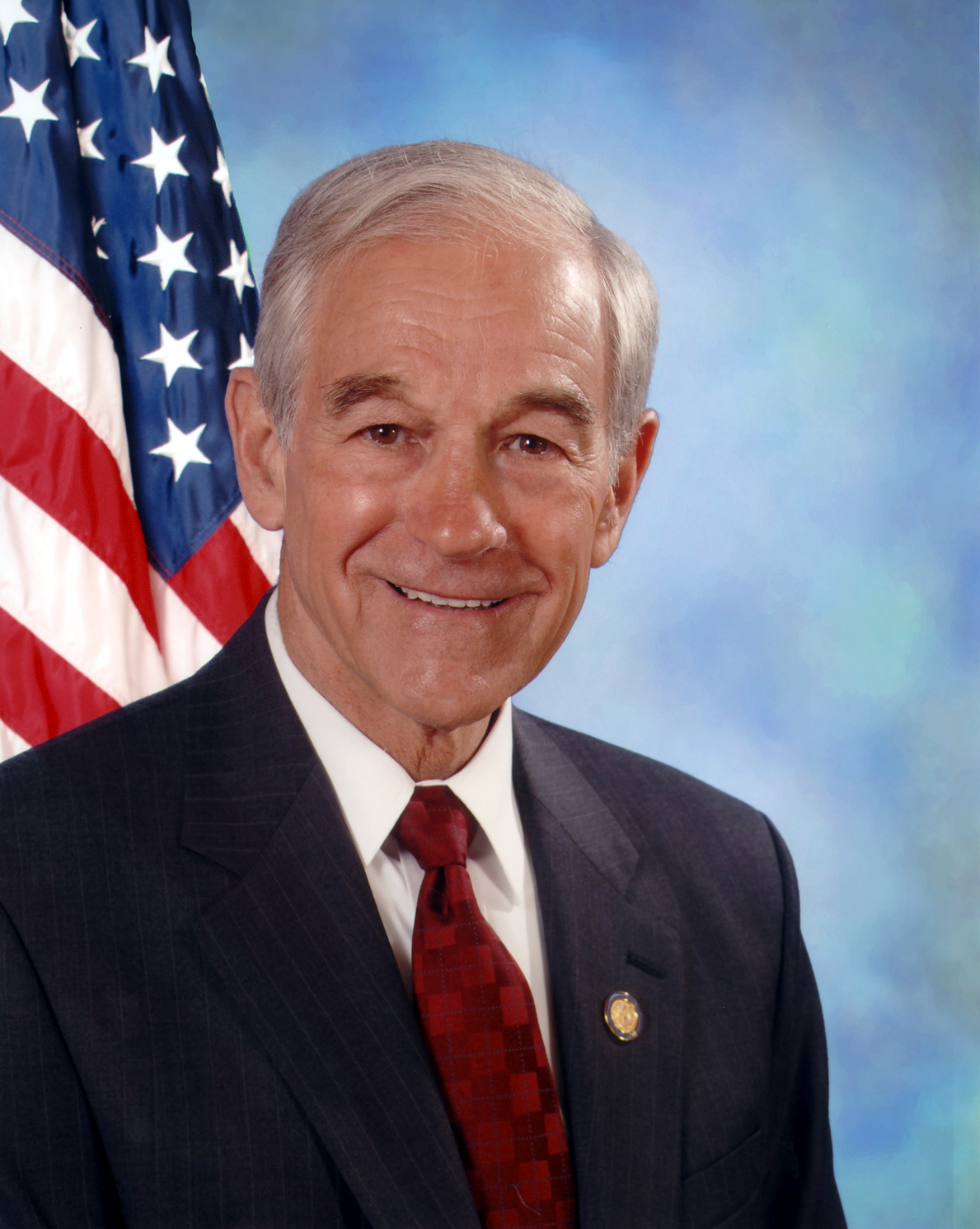



Political views and positions
Paul's public profile rests on a consistent set of principles rather than shifting partisan positions. Key themes include small federal government, protection of civil liberties, opposition to many foreign military interventions, and skepticism of central banking. He has been an outspoken critic of the Federal Reserve and a proponent of sound-money ideas.
Career and background
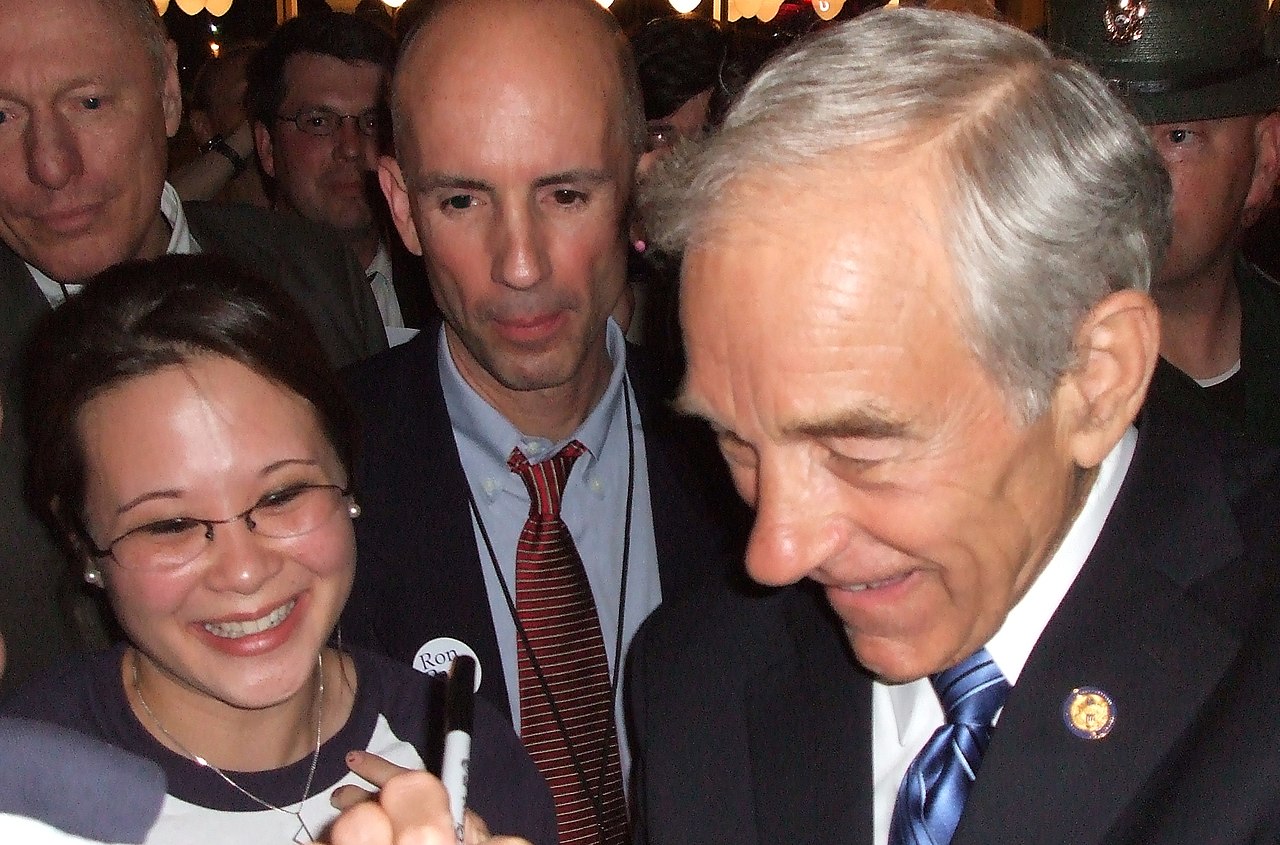
Trained as a physician, Ron Paul practiced obstetrics and gynecology before entering politics. He served in the U.S. Air Force as a flight surgeon and later won election to Congress, serving nonconsecutive terms over several decades. He sought the U.S. presidency in 1988 (as a Libertarian) and again in 2008 and 2012 in Republican primaries, campaigns that drew enthusiastic grassroots followings.
Influence and legacy
Paul helped popularize modern American libertarianism among a new generation of activists and voters. His campaigns and published writings encouraged debate on monetary policy, civil liberties, and the proper role of government. Supporters often credit his work with shaping later political figures and energizing movements that emphasize decentralization and individual rights.
Notable facts and examples
- He consistently voted against large overseas military engagements and some domestic surveillance measures.
- He founded or inspired organizations focused on economic education and foreign policy analysis.
- His son, Rand Paul, later became a U.S. senator and is frequently mentioned as part of the broader libertarian-leaning political current.
For more detailed biographical or legislative materials see his congressional biography or state-related pages: Congressional biography, state information, or general resources about Texas. These provide primary references for his electoral record, public statements, and the institutions he founded or influenced.
Author
AlegsaOnline.com Ron Paul: American physician, congressman, and libertarian leader Leandro Alegsa
URL: https://en.alegsaonline.com/art/130061