
Ronnie Biggs: participant in the 1963 Great Train Robbery
Ronnie Biggs was a British participant in the 1963 Great Train Robbery, who escaped custody in 1965, lived for decades as a fugitive overseas, returned to Britain in 2001, and died in 2013.
Overview
Ronald Arthur "Ronnie" Biggs (8 August 1929 – 18 December 2013) became internationally known for his role in the 1963 robbery of a Royal Mail train in England. The theft was one of the most famous British crimes of the 20th century and drew intense press attention. Biggs was one of several men involved and later became especially notorious because of his escape from custody and long period living abroad.
Image gallery
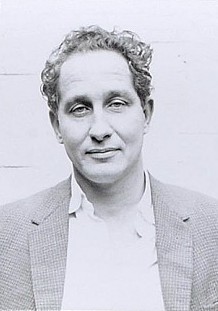
2 Images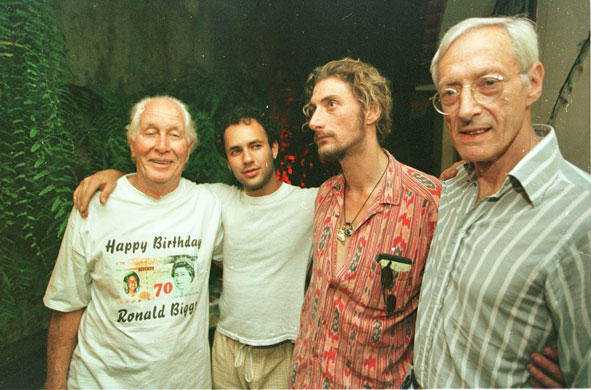
Early life and involvement
Born in Stockwell, in the London Borough of Lambeth, Biggs had worked in a variety of jobs before becoming involved with a criminal network that planned and executed the train robbery. The operation targeted a mail train carrying high-value consignments; the gang's actions and the scale of the haul attracted sustained public fascination and a lengthy police investigation. For context and further reading about the robbery, see contemporary accounts.
Escape and years as a fugitive
After conviction, Biggs escaped from custody in 1965 and spent the next three decades on the run. He travelled to several countries where he avoided extradition and occasionally appeared in the media, which made him a tabloid figure. During his time abroad he lived under various identities and became associated in popular culture with the notion of the celebrity criminal; some detailed summaries are available at further sources and historical reviews.
Return, imprisonment and release
Biggs voluntarily returned to the United Kingdom in 2001 and was returned to prison to serve the remainder of his sentence. In 2009, because of deteriorating health, he was released on compassionate grounds. Those events renewed public debate about punishment, rehabilitation and the treatment of elderly prisoners; public commentary and legal perspectives can be found via legal analyses.
Death and legacy
Ronnie Biggs died in Barnet, London, in December 2013 at the age of 84. His later years, and the story of his escape and life as a fugitive, have been the subject of books, documentaries and journalistic retrospectives. For biographical timelines and media archives, consult archival material and popular histories at secondary sources.
Notable facts
- Biggs took part in an event that became symbolic of 1960s British crime reporting.
- His prison escape and long evasion of authorities contributed to his notoriety.
- Debate about his treatment after return to the UK touched on health, age and sentence completion.
Author
AlegsaOnline.com Ronnie Biggs: participant in the 1963 Great Train Robbery Leandro Alegsa
URL: https://en.alegsaonline.com/art/130026