
Roh Moo-hyun
South Korean lawyer and reformist politician who served as president from 2003–2008; known for participatory politics, engagement with North Korea, and a controversial post-presidential investigation leading to his death.
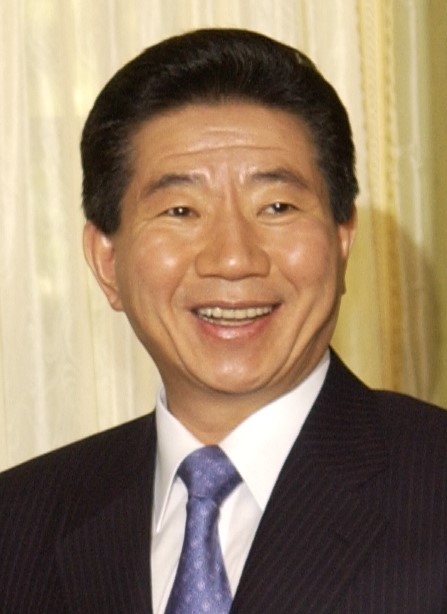
Roh Moo-hyun (1 September 1946 – 23 May 2009) was a South Korean politician who served as the President of the Republic of Korea from 2003 to 2008. Born in Gimhae in the southern province of Gyeongsangnam-do, Roh rose from a modest background to national prominence as a lawyer and reform-minded politician. He took office on 25 February 2003 and is widely remembered for his unconventional style and strong emphasis on participatory democracy.
Image gallery
6 Images


Early life and political rise
Roh began his professional life as a lawyer, gaining recognition for his work on behalf of laborers and ordinary citizens. Over time he moved into formal politics, positioning himself as an outsider to entrenched party elites. His approach appealed to voters seeking change from the established political order and helped him win the presidency as a candidate promising reform, transparency, and greater public engagement with government.
Presidency: themes and policies
As president, Roh promoted decentralization, efforts to reduce corruption, and policies aimed at social welfare improvement. He continued and adapted the policy of engagement with North Korea that had been prominent in earlier administrations, favoring dialogue and economic cooperation. His governing style was often described as frank and informal, and he sought to open channels for citizen participation in policymaking.
Characteristics and notable initiatives
- Participatory governance: Roh emphasized input from citizens and civil society in decision-making.
- Reform agenda: He aimed to address perceived elite privilege and bureaucratic inertia.
- Inter-Korean engagement: Continued dialogue and pragmatic contact with North Korea.
Controversy, investigation, and death
After leaving office, Roh returned to his hometown and lived in the village of Bongha. In the years following his presidency, allegations emerged involving illicit payments that were said to implicate aides and family members. While investigations proceeded, Roh maintained his innocence. On 23 May 2009 he died by suicide; his death shocked the nation and prompted an intense public debate about political accountability, the pressures faced by public figures, and the conduct of prosecutorial investigations. He had been a central and polarizing figure in modern South Korean politics.
Legacy and significance
Roh Moo-hyun remains a complex figure in contemporary Korean history: admired by many for his reformist zeal and commitment to popular participation, criticized by others for governance shortcomings and for controversies that followed his administration. His presidency influenced subsequent political movements on the left and continues to shape discussions about transparency, democratic reform, and inter-Korean relations in South Korea. Memorials, academic analyses, and public debate have sought to assess both his achievements and the circumstances of his death. For further context see a general overview of the Office of the President and contemporary Korean politics in his home region.
Author
AlegsaOnline.com Roh Moo-hyun Leandro Alegsa
URL: https://en.alegsaonline.com/art/129967