
Rodney Bewes — English actor and writer
English actor and writer (1937–2017), best known as Bob Ferris in The Likely Lads and its sequel; noted for portraying working‑class life in 1960s–70s British television.
Overview
Rodney Bewes (27 November 1937 – 21 November 2017) was an English television actor and writer who became widely known for his portrayal of Bob Ferris in the BBC sitcom The Likely Lads (1964–66) and its later sequel Whatever Happened to the Likely Lads? (1973–74). His comic timing and sympathetic depiction of a young working‑class man navigating friendship and social change earned him a lasting place in British popular culture. He also worked across stage, radio and other television roles during a long career.
Image gallery
2 Images
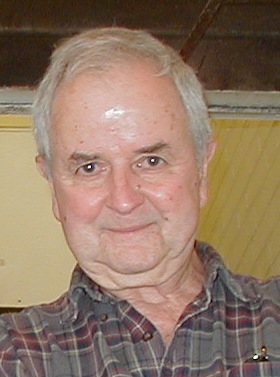
Career and notable work
Bewes's best known screen role was Bob Ferris, the often anxious but good‑natured friend opposite James Bolam’s Terry Collier. The two characters and their relationship captured the shifting social landscape of 1960s Britain and later the 1970s, exploring themes of ambition, nostalgia and class. Bewes contributed as a performer and as a writer, and he appeared in a variety of television dramas, comedies and theatrical productions throughout his life.
Characteristics and style
He was admired for a naturalistic acting style that combined humour with emotional honesty. Bewes’s performances were grounded in a working‑class northern sensibility that audiences found relatable: his Bob Ferris was at once vulnerable, comic and keenly observant about everyday life. Critics and viewers have cited his ability to balance light comedy with moments of poignancy as a defining quality.
Legacy and cultural importance
The Likely Lads and its sequel are often remembered as influential British sitcoms for their realistic dialogue and attention to social change. Bewes’s interpretation of Bob Ferris remains an accessible portrait of a generation negotiating new opportunities and expectations. His work continues to be discussed in studies of television comedy and working‑class representation.
Personal notes and death
Outside acting he wrote and spoke about his experiences in the entertainment industry and remained a recognizable public figure. Rodney Bewes died in Manchester on 21 November 2017, shortly before his 80th birthday; the cause was vascular dementia. He is frequently referenced in retrospectives of British television and remembered for his contribution to a distinctive era of sitcom writing and performance.
- Actor: career overview
- Writer: writings and contributions
- BBC series: The Likely Lads
- Place of death: Manchester
- Cause: vascular dementia
Author
AlegsaOnline.com Rodney Bewes — English actor and writer Leandro Alegsa
URL: https://en.alegsaonline.com/art/129900