
Robert Borden — Canadian prime minister and wartime leader (1911–1920)
Sir Robert Laird Borden (1854–1937) was a Canadian lawyer and politician who served as prime minister from 1911 to 1920, leading Canada through World War I and shaping its postwar international role.
Overview
Sir Robert Laird Borden (June 26, 1854 – June 10, 1937) was a Canadian lawyer and statesman who served as the eighth prime minister of Canada from October 10, 1911, to July 10, 1920. A native of Nova Scotia, Borden rose from private legal practice into federal politics and led the Conservative Party into office. His premiership is best known for guiding Canada through the First World War and for measures that altered the relationship between Canada and the British Empire.
Image gallery
10 Images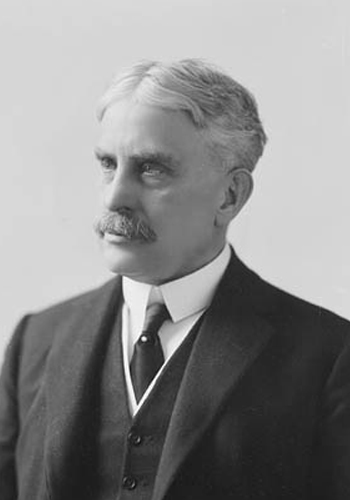


Early career and political rise
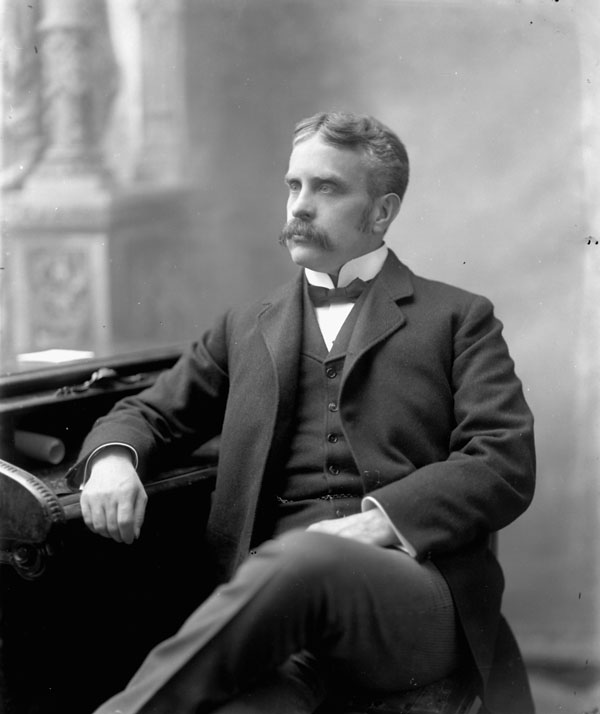
Borden trained and practised as a lawyer before entering public life. He became leader of his party and a senior figure in Ottawa, known for organizational skill and a cautious, businesslike approach to governance. During his early parliamentary career he built a reputation as a competent administrator and an advocate for national development, positions that prepared him for wartime leadership.
Prime ministership and wartime leadership
As prime minister during World War I, Borden managed mobilization, war financing and industrial coordination. His government introduced emergency measures to support the war effort, including temporary taxation and regulatory powers at the federal level. Faced with declining volunteer numbers, Borden steered the controversial decision to introduce conscription in 1917 and formed a broader Unionist coalition to secure parliamentary support for wartime policies.
Domestic policy and constitutional impact
Borden's administration implemented policies that had lasting domestic and constitutional consequences. Wartime legislation affected civil liberties and the franchise, and his push for imperial consultation resulted in Canada gaining a more distinct international voice after the war. His government sought separate Canadian representation in postwar negotiations and international bodies, a step toward greater autonomy from Britain.
Legacy, retirement and honours
After leaving office in 1920, Borden remained a prominent public figure. He served as chancellor of Queen's University and received various honours for his public service. His portrait has appeared on Canadian banknotes and he is remembered both for stabilizing Canada during a global conflict and for policies that provoked deep political divisions at home.
Notable facts and controversies
- Controversy: Conscription and wartime measures provoked sharp debate, regional tensions and long-term political realignment.
- International role: Borden advocated separate Canadian representation at postwar negotiations and international institutions, changing Canada’s diplomatic profile.
- Post-political life: He accepted university office and other appointments after leaving politics; he has been commemorated on currency and in public memory.
For more on his life and government, consult archival and academic sources; a short online biography and archival collections are available via biographical resources, parliamentary records at federal archives, regional histories in Nova Scotia at provincial repositories, and institutional collections such as those maintained by Queen's University.
Author
AlegsaOnline.com Robert Borden — Canadian prime minister and wartime leader (1911–1920) Leandro Alegsa
URL: https://en.alegsaonline.com/art/129701