
Richard Curtis (screenwriter, director and campaigner)
British-based screenwriter and filmmaker born in Wellington (1956), known for television comedy, romantic films such as Four Weddings and a Funeral and Love Actually, and for founding Comic Relief.
Richard Whalley Anthony Curtis (born 8 November 1956 in Wellington, New Zealand) is a screenwriter, director and film producer long associated with contemporary British comedy and popular romantic films. He studied English Language and Literature at Christ Church, Oxford and has lived and worked primarily in England. Curtis's career spans television writing, feature screenplays, directing and long‑running public charity initiatives.
Image gallery
4 Images
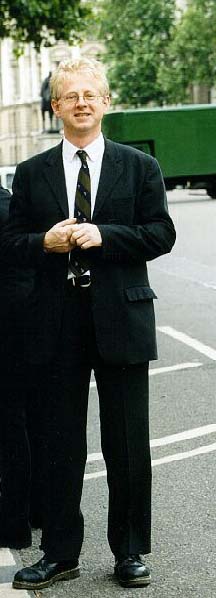


Early life and education
Curtis was born in Wellington and later pursued higher education at Oxford, where he read English. His early experience in university revue and student theatre contributed to a move into television comedy writing after graduation. For an overview of his background see biographical summaries.
Career in television and film
He first gained public attention through television comedy, contributing scripts and ideas for several influential British series in the 1980s and 1990s. Curtis subsequently moved into feature films and is widely known for romantic comedies and ensemble narratives that blend humour with sentiment. Notable titles commonly associated with his name include Four Weddings and a Funeral, Notting Hill, Bridget Jones's Diary (screenplay credits) and Love Actually, among others. For film credits and a fuller filmography consult filmography resources.
Collaborations and roles
- Writing and co‑writing: Curtis has both written and co‑written scripts, often working with other screenwriters and adapting material from novels.
- Directing and producing: on several projects he expanded his role to director and producer to help shape tone and casting choices.
- Frequent collaborations include working with leading British actors and comedy performers, and with production teams who specialise in mainstream comedy‑drama.
Style and themes
Curtis's scripts frequently emphasise interpersonal relationships, witty dialogue and a balance of comic and sentimental moments. Settings are often recognisably British and urban, and many of his films interweave multiple character arcs in ensemble pieces. Critics and audiences have debated the strengths and limits of his sentimental approach, which some praise for emotional warmth and others critique as romanticised.
Charity and public work
Beyond film and television, Curtis is widely known for his involvement in high‑profile charitable initiatives that mobilise celebrities and broadcast audiences for fundraising. He played a leading role in founding Comic Relief and in organising televised charity events and campaigns aimed at poverty relief and humanitarian causes. Readers can find summaries of these activities at charity overviews and contemporary profiles at press and interview pages.
Legacy and reception
Curtis is often cited as an influential figure in late 20th and early 21st century British popular culture. His films have reached broad international audiences and helped popularise a particular strand of romantic comedy. His public profile combines artistic output with active campaigning, making his career a point of interest across media studies and popular press. For academic or critical perspectives see scholarship and analysis and for summaries of his public projects consult public project resources.
For more detailed filmography, television credits and descriptions of charity work, follow the links above to curated resources and further reading.
Author
AlegsaOnline.com Richard Curtis (screenwriter, director and campaigner) Leandro Alegsa
URL: https://en.alegsaonline.com/art/129481