
Raisa Gorbacheva: Soviet public figure and philanthropist
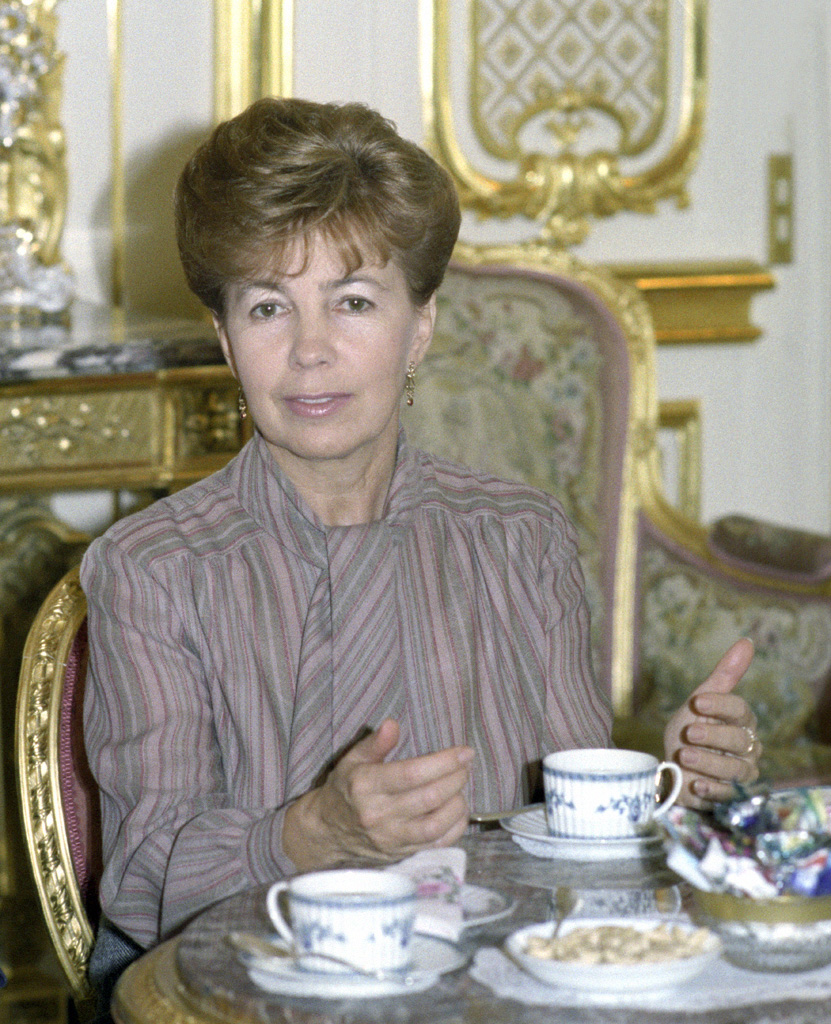
Raisa Gorbacheva (1932–1999) was a Soviet public figure and philanthropist, widely known as the wife of Mikhail Gorbachev and a visible advocate for cultural and social causes during perestroika.
Overview
Raisa Maximovna Gorbacheva was a prominent Soviet public figure and philanthropist who came to international attention as the spouse of Soviet leader Mikhail Gorbachev. Born Raisa Titarenko in 1932, she became well known in the late 1980s and early 1990s for taking an unusually visible role for the partner of a Soviet leader: she accompanied foreign visits, spoke about cultural and social issues, and supported charitable initiatives.
Image gallery
3 Images

Background and early public role
She trained at university and worked in scholarly and cultural institutions before her husband rose to national leadership. The couple met while studying and married in the 1950s. As Soviet policy shifted during the era of perestroika and glasnost, Raisa Gorbacheva emerged as a more modern and public-facing figure than earlier Soviet leaders' spouses, a change that drew both admiration and criticism at home and abroad.
Activities and public image
Raisa promoted cultural projects, education, and charitable work, and she was often active in the arts and preservation of heritage. Her visible style and frequent appearances at official events made her a recognizable figure in international diplomacy. Supporters saw her as a humane and cultured presence who helped soften the image of Soviet leadership; critics sometimes described her prominence as untraditional for Soviet life.
Health, death, and legacy
In the years after the Soviet Union dissolved, Raisa Gorbacheva experienced serious health problems, including a stroke in the early 1990s; reports from that period note she suffered a stroke in 1993. She was later diagnosed with leukemia, a condition documented in contemporary accounts and reports (leukemia). She died in 1999 in Germany and was buried in Moscow.
Notable facts and distinctions
- Her Russian name and spelling are often given in transliteration; see the native form noted in many biographies (Russian name).
- She is remembered both for humanitarian interests and for changing expectations about the public role of a Soviet leader's spouse.
- After her death, discussions of her life have formed part of broader reassessments of the Gorbachev era, its culture, and its social changes.
Raisa Gorbacheva remains a symbolic figure of a transitional period in late Soviet history: she combined charitable and cultural engagement with an unusually prominent public presence, and her life and work continue to be cited in studies of leadership, gender, and public image in modern Russian and Soviet history.
Author
AlegsaOnline.com Raisa Gorbacheva: Soviet public figure and philanthropist Leandro Alegsa
URL: https://en.alegsaonline.com/art/129181