
Radley Metzger: Auteur of Elegant Erotic Cinema
Radley Metzger (1929–2017) was an American filmmaker and distributor known for stylish, adult-oriented features that combined high production values, inventive camera work and literary influences.
Overview
Radley Metzger (Radley Henry Metzger; January 21, 1929 – March 31, 2017) was an American filmmaker, editor and distributor whose work bridged art-house cinema and sexually explicit film. Active primarily from the 1960s through the 1970s, Metzger became known for feature films that treated erotic subject matter with high production values, careful design and narrative ambition. He is often discussed in histories of twentieth-century cinema as a director who sought to apply aesthetic rigor and literary sensibility to material that many contemporaries treated as purely commercial.
Image gallery
1 Image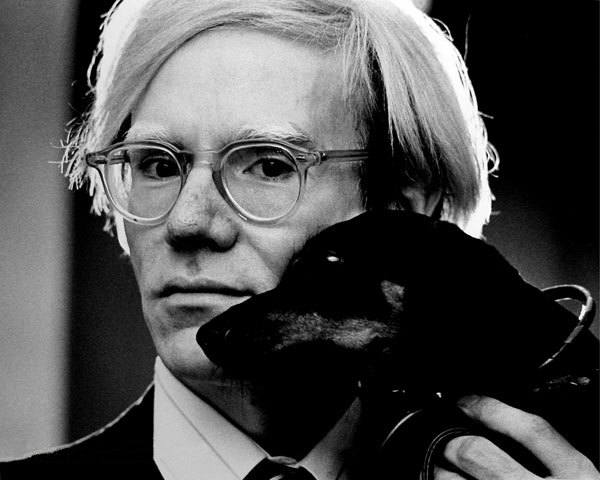
Early career and influences
Metzger began his career in an era of changing social attitudes toward sexuality and censorship. While precise details of his earliest training are not always emphasized in accounts of his career, critics note that he drew on European art cinema and classic studio-era craft in shaping his visual approach. His films frequently display an awareness of theatrical staging and a concern for composition, color and pace that reflects broader art-house currents of the period.
Style and recurring elements
Metzger's films are widely recognized for their polished visual style. He favored elaborate sets, elegant costume design and deliberate camera movement, often using unusual angles and careful framing to create a sense of refinement. Rather than relying solely on erotic spectacle, his work tends to foreground mood, character dynamics and a playful intelligence; many reviewers have remarked on the films' wit and on their use of irony and literary or theatrical references. This combination of sensual content and formal control is a recurrent theme in discussions of his oeuvre, and it shaped both how audiences received his films and how later scholars have interpreted them.
Notable films
- Camille 2000 (1969) — A highly stylized, modern reworking of the classic story of love, sacrifice and social constraint, notable for its production design and contemporary soundtrack.
- The Lickerish Quartet (1970) — An elliptical, dreamlike piece that mixes erotic encounters with psychological suggestion and unorthodox narrative structure.
- Score (1974) — A sex comedy that explores shifting desires and relationship roles with a light, observational touch.
- The Image (1975) — A film that foregrounds mood and visual storytelling, often cited for its formal qualities.
- The Opening of Misty Beethoven (1976) — Frequently discussed as one of Metzger's most accomplished adult features for its narrative construction, artful staging and technical finish.
Pseudonyms and explicit work
In addition to films released under his own name, Metzger directed more explicit material during the era sometimes referred to as the "Golden Age of Porn." To separate these different phases of his output he used pseudonyms in some releases; a name that appears in several records is linked in archival references as a credited alias. He also worked under the pseudonyms "Jake Barnes" and "Henry Paris" for certain titles. Films released under these names generally feature more explicit sexual content but often retain Metzger's concern for mise-en-scène and storytelling.
Critical reception
Critical response to Metzger's work has been varied. Contemporary reviewers and later critics have alternately praised his films for their craftsmanship and dismissed them as provocations shaped by commercial concerns. Many commentators emphasize the director's "lavish design" and intelligent screenwriting while noting an idiosyncratic preference for unconventional camera angles; summarized discussion of such reviews can be found in surveys of critical commentary by reviewers. Observers who focus on visual composition have highlighted Metzger's "gorgeous cinematography" and his ability to use camera movement and color to shape tone and character perception; further notes on these qualities are available in resources that examine the cinematography of his films in detail.
Legacy, preservation and collections
Interest in Metzger's films has persisted among film historians, archivists and cinephiles. Selected prints and audio materials by Metzger have been acquired for preservation and study; for example, several of his works are part of the permanent collection of the Museum of Modern Art in New York (MoMA), reflecting institutional recognition of their historical and aesthetic significance. Retrospectives and restorations have periodically brought renewed attention to his career, prompting renewed debate about the artistic limits of erotic cinema and the place of crossover filmmakers in film history.
Influence and scholarly interest
Scholars who study the intersections of sexuality, aesthetics and film authorship often cite Metzger as an example of a director who challenged simple separations between "art" and "pornography." His films are used in teaching and programming to explore how formal choices (composition, editing, sound, and design) interact with transgressive subject matter. While his influence is not typically framed in terms of a direct school of followers, his work is repeatedly invoked in discussions about cinematic taste, censorship and the economics of exploitation and art-house distribution.
Final years
Radley Metzger died in New York City on March 31, 2017, at the age of 88. Since his death, interest in his films has continued among curators and academics seeking to situate his work within broader narratives of twentieth-century cinema, especially those that concern changing norms around sexuality on screen and the ways filmmakers navigated shifting legal and cultural landscapes.
For further reading and archival materials, consult institutional collections and critical surveys that document Metzger's films and their critical reception; curated entries and archival listings frequently use the alias records and critical commentary links noted above to distinguish different phases of his career.
Author
AlegsaOnline.com Radley Metzger: Auteur of Elegant Erotic Cinema Leandro Alegsa
URL: https://en.alegsaonline.com/art/129135