
Prince Friso of Orange-Nassau
Biography of Prince Friso (1968–2013), Dutch royal family member, private-sector executive, who lost succession rights after his marriage and later died following an avalanche accident.
Prince Friso of Orange-Nassau (Johan Friso Bernhard Christiaan David van Oranje-Nassau van Amsberg; 25 September 1968 – 12 August 2013) was a member of the Dutch royal family and a private-sector executive. Born in the University Medical Center in Utrecht, he was the second son of Princess Beatrix and Prince Claus and a younger brother of Willem-Alexander. Although raised in the public eye as a prince of the Netherlands, much of his adult life was spent in business rather than in formal constitutional duties.
Image gallery
5 Images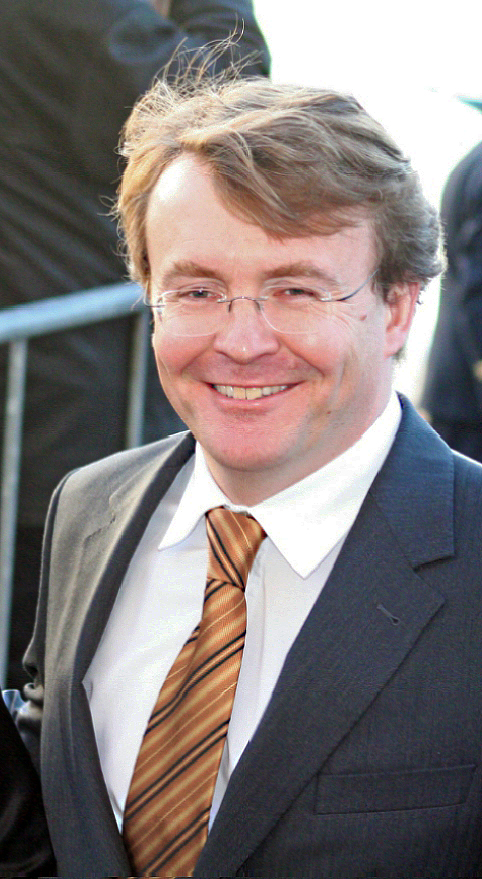


Early life and family
Friso's birth on 25 September 1968 took place at the University Medical Center Utrecht in the Netherlands. As a member of the House of Orange-Nassau he grew up within a prominent royal family noted for its role in Dutch national life. Public accounts describe him as more private and work-focused than some of his relatives. He maintained ties with the royal household while pursuing opportunities in the international business world.
Career and public role
Unlike the heir apparent, Friso did not take on a full-time constitutional role. He worked in the private sector and held senior positions in finance and corporate management. Among his roles was service as chief financial officer for the Urenco nuclear fuel company, reflecting his interest in international business and energy. He combined a royal background with a professional career, which often required discretion about his public duties and private work.
Marriage and change of status
In 2004 Prince Friso married his long-time partner. Because the marriage did not receive the formal parliamentary act of consent required under Dutch law for members of the royal house to retain succession rights, he lost his membership in the official Royal House and ceased to be in the line of succession to the throne. The change meant he retained his princely title and family ties but no longer had the constitutional position that comes with being an active member of the royal household.
Accident, medical course, and death
On 17 February 2012 Prince Friso was caught in an avalanche while skiing off-piste near Lech in Austria. He was extricated and transported to a hospital in Innsbruck in critical condition. Medical reports indicated that he had undergone prolonged cardiopulmonary resuscitation — approximately fifty minutes — and was treated in a state of moderate hypothermia. Physicians concluded that despite these measures he had suffered severe brain damage from lack of oxygen during the arrest and resuscitation process, leaving him in a minimally conscious or prolonged disorders-of-consciousness state. The initial rescue and hospital care were widely reported; subsequent assessments described a poor neurological prognosis. After nearly eighteen months in a reduced conscious state he died on 12 August 2013.
Legacy and notable facts
- Friso combined royal heritage with an international business career, notably serving as chief financial officer at Urenco.
- His marriage without parliamentary consent is a well-known example of how constitutional rules can affect dynastic status in modern monarchies.
- The avalanche accident raised public attention to off-piste skiing risks, avalanche safety, and the medical challenges of hypothermia and prolonged resuscitation; details of the resuscitation and its neurological consequences were widely discussed in media and medical commentary (cardiopulmonary resuscitation).
Prince Friso's life is often recalled as that of a royal who largely pursued a private professional path while remaining a public figure through family ties and the circumstances of his tragic accident. For readers seeking more context on the places and institutions associated with his life, see references to the hospital where he was born, royal family members, and the locations of the accident above: birth hospital, mother, brother, Lech, Austria, and Innsbruck hospital. Additional general resources on related topics are available via the placeholders provided: Netherlands, CPR and resuscitation.
Author
AlegsaOnline.com Prince Friso of Orange-Nassau Leandro Alegsa
URL: https://en.alegsaonline.com/art/129013