
Pope Pius XI (Achille Ratti): papacy, reforms and political stances
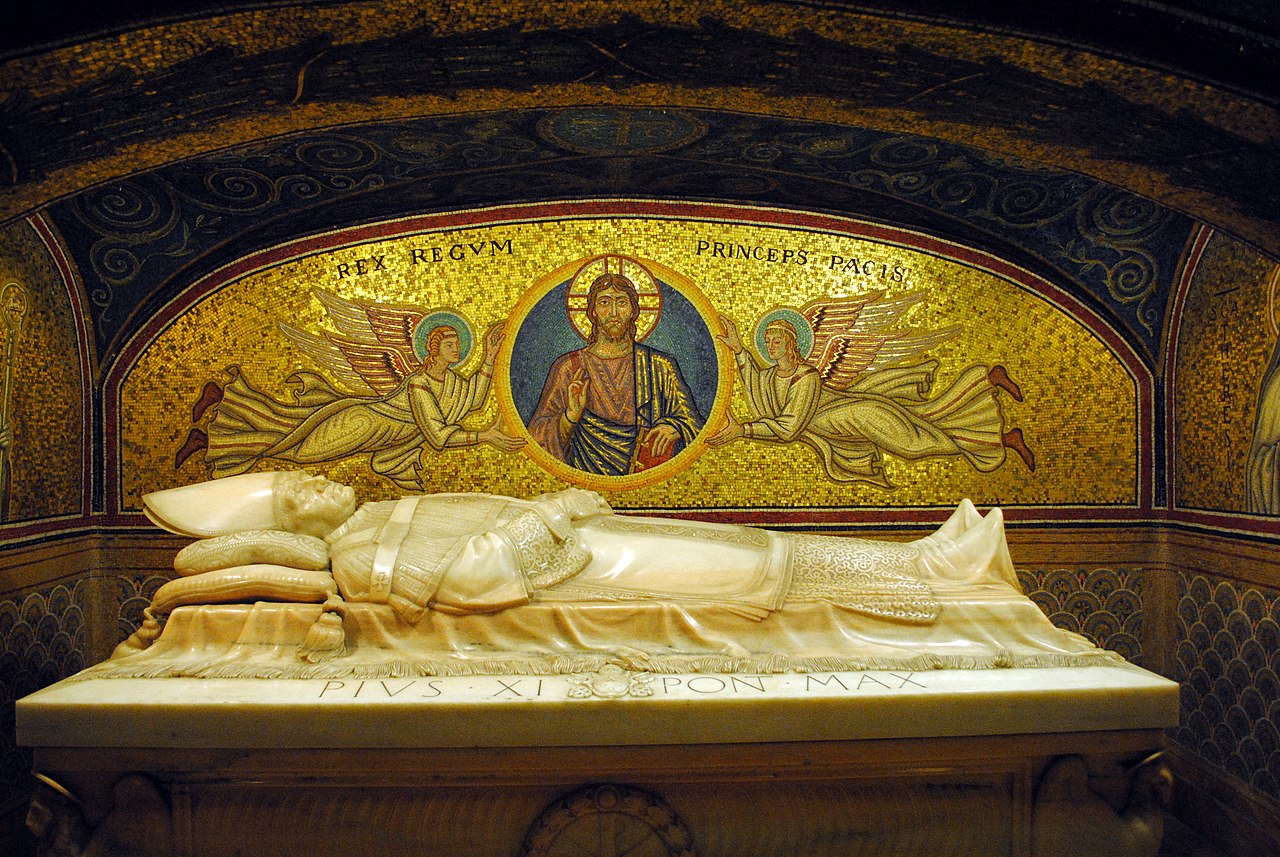
Pope Pius XI (Achille Ratti, 1857–1939) led the Catholic Church from 1922–1939. His pontificate produced the Lateran Treaty, major social encyclicals, Vatican Radio and firm condemnations of totalitarian ideologies.
Overview
Born Achille Ratti in 1857, Pius XI served as head of the Roman Catholic Church from 1922 until his death in 1939. He was an Italian priest and scholar before his election. His long pontificate addressed questions of church-state relations, social teaching and the Church's response to emerging totalitarian movements in Europe.
Image gallery
10 Images





Early life and background
Ratti was known for academic work in theology and librarianship before becoming a bishop and then pope. His intellectual formation shaped a pope comfortable with administrative reform, historical scholarship and diplomatic negotiation. These skills proved consequential when he sought to secure the Church's institutional position in a rapidly changing political landscape.
Major acts and institutional changes
Pius XI negotiated the Lateran Treaty of 1929, which brought official recognition of the Vatican's sovereignty and settled the long-running Roman Question. He supported modernization of Vatican institutions, including the founding of Vatican Radio, and promoted Catholic Action and missionary activity worldwide. During his papacy he emphasized the Church's autonomy while engaging with modern communications and organizational needs.
Encyclicals and public teachings
His pontificate produced several influential encyclicals and statements that addressed social and political issues. Notable documents include:
- Quadragesimo Anno (1931) — on social order and the ethical limits of economic systems.
- Mortalium Animos (1928) — on ecumenical activity and doctrinal unity.
- Mit Brennender Sorge (1937) — a German-language critique of Nazi ideology and violations of Church rights.
- Divini Redemptoris (1937) — a condemnation of atheistic communism.
Relations with political regimes and legacy
Pius XI confronted a turbulent era: fascism in Italy, Nazism in Germany and communism in the Soviet sphere. He sought concordats and agreements to protect Catholic institutions, while also issuing public rebukes when regimes violated religious freedom. His stance combined diplomatic engagement, legal settlement and moral teaching, leaving a complex legacy that shaped mid-20th-century Church-state relations. He was succeeded by his immediate successor after his death in 1939.
For further reference on language, biography and papal office, see entries marked with linked terms: Pope, Italian and others in specialized bibliographies.
Author
AlegsaOnline.com Pope Pius XI (Achille Ratti): papacy, reforms and political stances Leandro Alegsa
URL: https://en.alegsaonline.com/art/128930