
Bong (water pipe): overview, parts, history, uses, and safety
A bong is a type of water pipe used to cool and filter smoke from plant material. This article explains its components, varieties, history, cultural uses, and health and maintenance considerations.
A bong, commonly called a water pipe, is a smoking device that draws smoke through water before inhalation. The water cools the smoke and can remove some particles, altering the temperature and feel of the inhaled vapor. Bongs are most often used with plant materials such as tobacco or cannabis, and the general category is sometimes referred to simply as a water pipe.
Image gallery
5 Images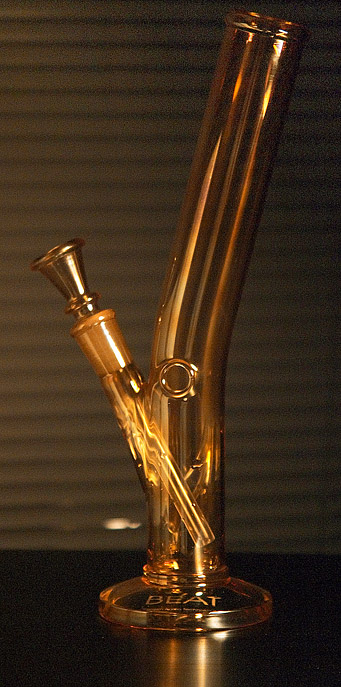


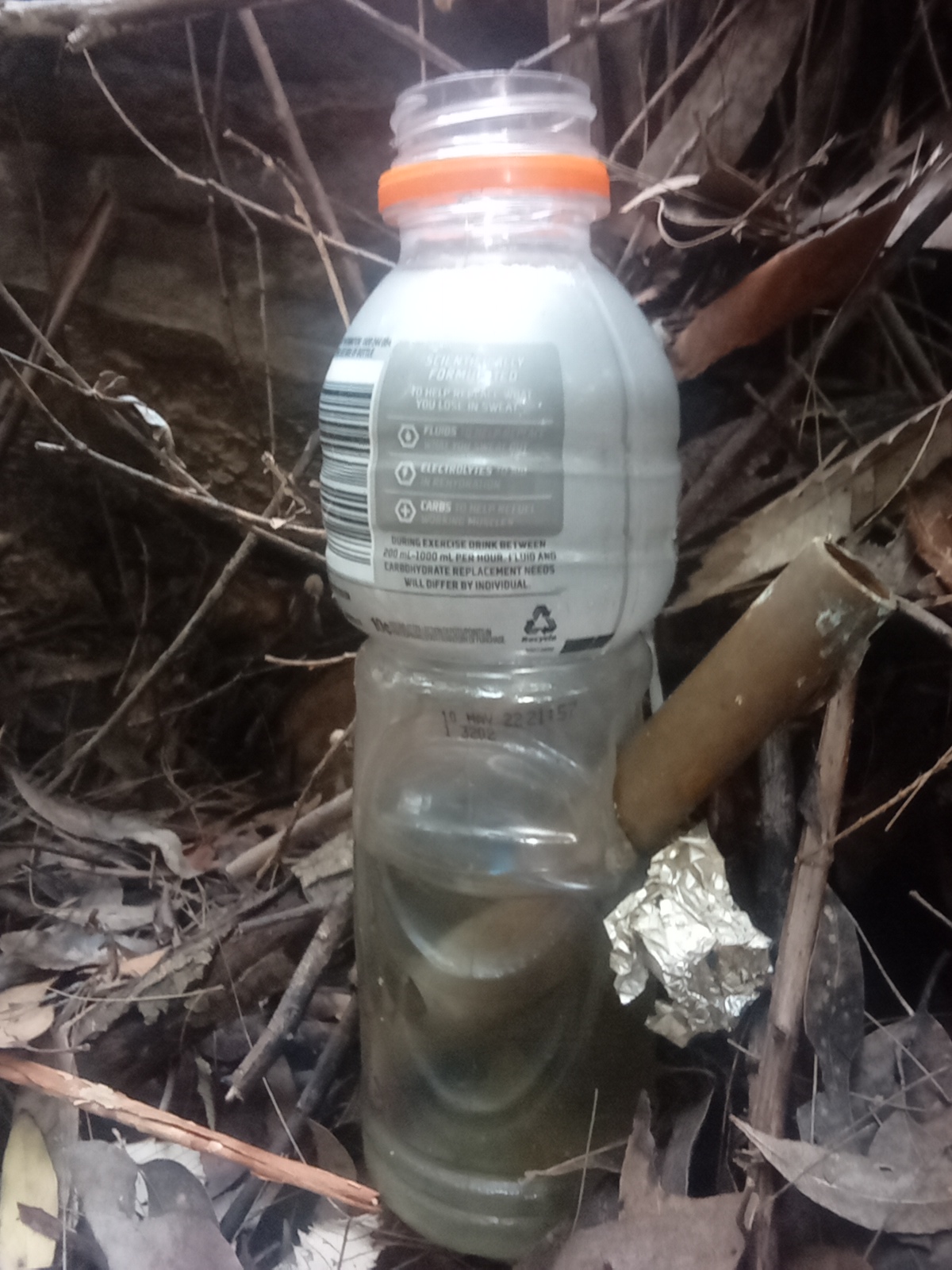
Basic parts and how it works
A typical bong has a bowl to hold the smoked material, a downstem or tube that channels smoke into the water, and an upright chamber where smoke gathers before being drawn through a mouthpiece. Many designs include a carburettor (carb) or a removable bowl to clear the chamber. The basic function is straightforward: heat the material, draw the smoke through water to cool and partially filter it, then inhale the resulting vapor.
Common designs and materials
- Materials: glass is frequently used for its inert surface and ease of cleaning; other materials include ceramic, metal, silicone, and historically bamboo or wood.
- Shapes: beaker, straight tube, recycler, and gravity bongs offer different airflow, volume, and aesthetics.
- Accessories: percolators, ice catchers, and diffused downstems can further cool or break up smoke for a different draw.
History and etymology
Water pipes have a long global history, appearing in various forms across Asia, Africa, and the Middle East. The English word "bong" likely derives from the Thai word baung, meaning a cylindrical bamboo container once used to smoke substances. Over time the basic concept evolved into many regional styles, from hookahs and shishas to small personal water pipes.
Uses, cultural context, and variations
Bongs are used in both ceremonial and recreational contexts. Different communities and subcultures have developed distinct preferences for size, decoration, and ritual. Variants include multi-person hookahs, single-user bongs, and specialized rigs for concentrated extracts.
Health, maintenance, and legal considerations
Passing smoke through water can lower its temperature and trap some heavier particles, but it does not eliminate health risks associated with inhaling combusted material. Regular cleaning is important to reduce bacterial growth and resin buildup; common cleaning methods use warm water and appropriate solvents or brushes. Legal status varies widely by jurisdiction and by the material being smoked, so users should be aware of local laws and regulations.
For further technical details on models, components, and regulations, consult reputable sources and local guidance. Useful starting points include resources on water-pipe design and material safety (water pipe basics), as well as literature concerning tobacco and cannabis laws and health information.
Author
AlegsaOnline.com Bong (water pipe): overview, parts, history, uses, and safety Leandro Alegsa
URL: https://en.alegsaonline.com/art/12888
Sources
- whitehousedrugpolicy.gov : "Office of National Drug Control Policy"
- wwwebbb.gsu.edu : "Contraband: The Sale of Regulated Goods on the Internet"