
Pope Boniface VI: brief pontificate amid late 9th-century turmoil
Pope Boniface VI was elected bishop of Rome in April 896 during violent factionalism. His roughly fifteen-day pontificate ended in a swift death and was later declared null by Pope John IX.
Pope Boniface VI served as bishop of Rome for a matter of days in April 896. His election and sudden disappearance from the historical record reflect a period of intense political and clerical conflict in the Italian peninsula and the Papal States Papal States. Contemporary sources give only fragmentary details, so reconstructions of his life and significance rely on later chroniclers and the decisions of succeeding pontiffs.
Image gallery
1 Image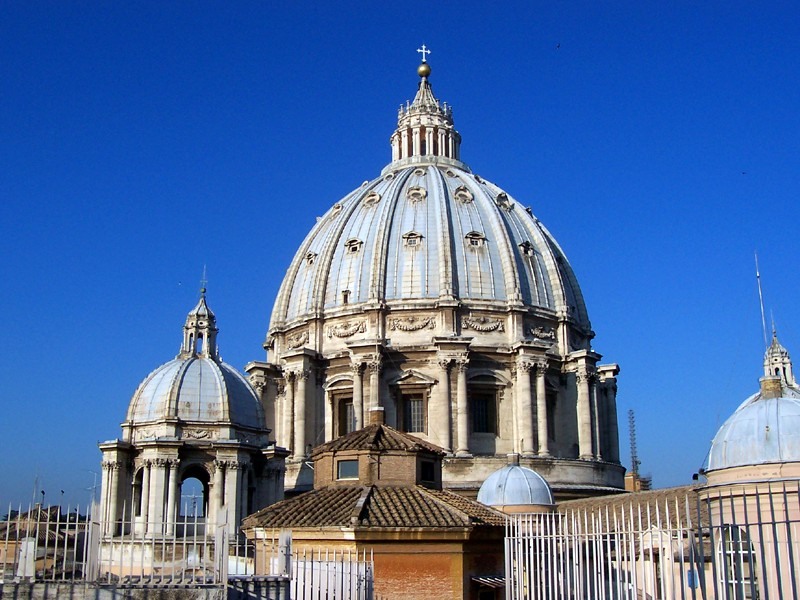
Background and election
Boniface is described as a Roman by birth and upbringing, identified in some accounts simply as a local cleric. The vacancy he filled followed the death of Pope Formosus, a controversial figure whose passing unleashed street fighting and factional maneuvering in Rome. Accounts suggest Boniface's elevation owed more to rapid local support amid unrest than to broad consensus among clergy and secular leaders.
Pontificate and reported death
The surviving narratives assign Boniface a pontificate of about fifteen days. One medieval chronicler claims he died of the gout, a disease referenced by later writers and noted in one source as the cause of his demise gout. Because administrative records and papal acts from his short tenure are either absent or disputed, historians treat many specific details of his rule with caution.
Aftermath and later assessment
Boniface's brief appearance on the papal throne was soon followed by further turmoil and the accession of other claimants. In 898 Pope John IX declared that Boniface's election had been null and void, a judgment reflecting attempts by later church authorities to regularize and rehabilitate the disrupted procedures of the period. The declaration is part of a broader pattern in which several late ninth-century papal elections were reassessed or condemned by successor synods.
Significance and notable points
- His reign illustrates the instability of the Roman see after Formosus and before the so-called Saeculum obscurum.
- Few authentic documents can be attributed to him; his practical impact on church government was negligible.
- Later annulment by John IX shows how post facto judgments were used to address irregular elections.
- Primary evidence is sparse and often contradictory, so modern narratives emphasize uncertainty and context over firm detail.
For readers seeking a concise entry, Boniface VI stands as an example of a pope whose brief appearance in the historical record underscores the chaotic politics of late ninth-century Rome and the ways later authorities tried to impose canonical order. For further reading, consult specialized histories of the papacy and collections of medieval chronicles that discuss the period.
Rome continues to be the central setting for these events, and additional source material and commentary can be found in modern scholarly treatments and translated primary sources on his life.
Author
AlegsaOnline.com Pope Boniface VI: brief pontificate amid late 9th-century turmoil Leandro Alegsa
URL: https://en.alegsaonline.com/art/128851