
Phil Jackson
American basketball coach and executive, winner of 11 NBA championships as a coach; known for the triangle offense, Zen-influenced leadership, and stints with the Bulls, Lakers and Knicks front office.
Phil Jackson (born September 17, 1945) is an American professional basketball coach and executive best known for guiding teams to multiple NBA championships. Over a coaching career that brought national attention to his methods and philosophy, Jackson earned a reputation for managing superstar personalities, combining strategic systems with psychological and spiritual approaches, and producing sustained team success in the modern NBA era. He spent much of his career in the NBA with two franchise dynasties and later served in a front-office role.
Image gallery
7 Images

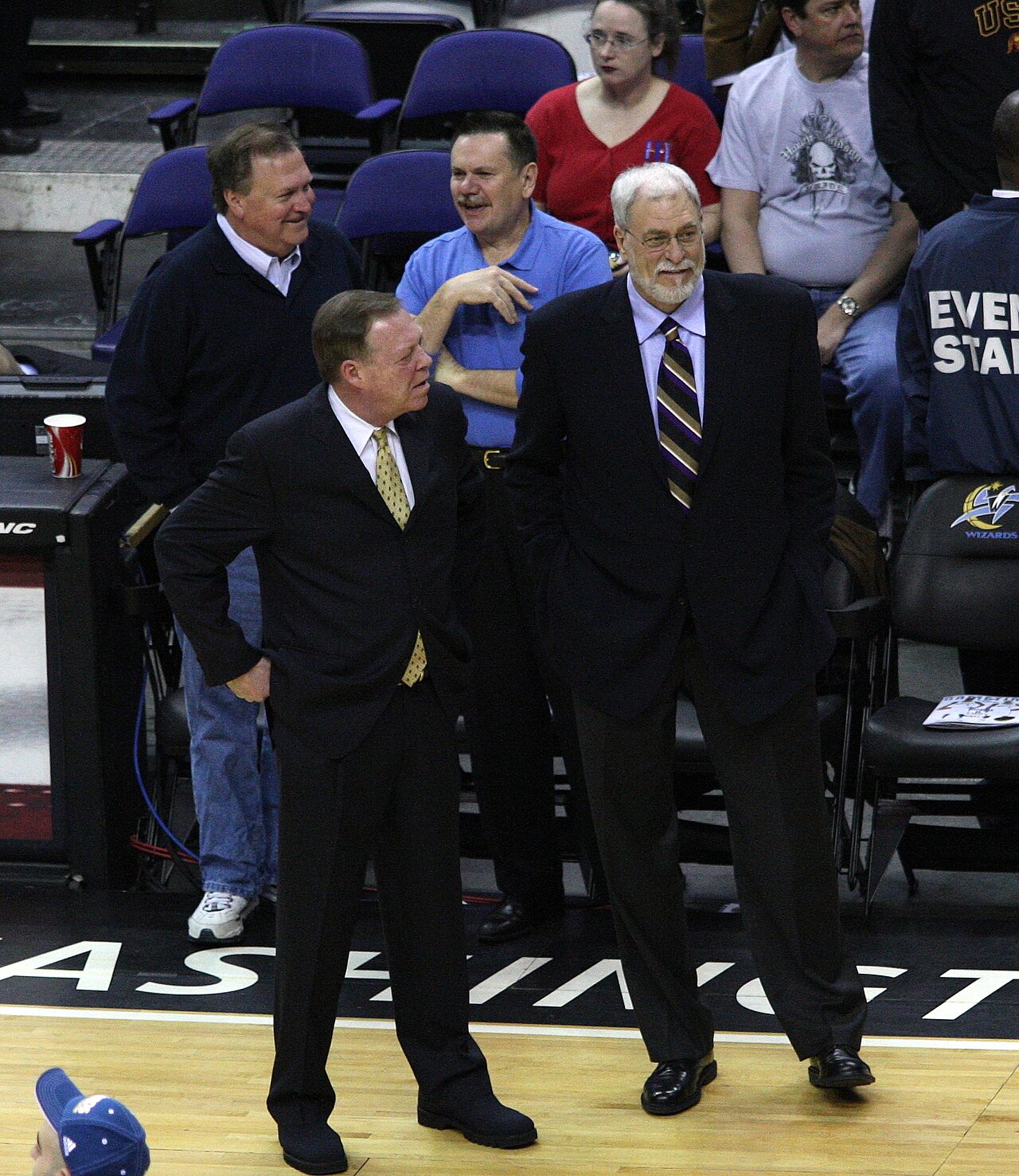

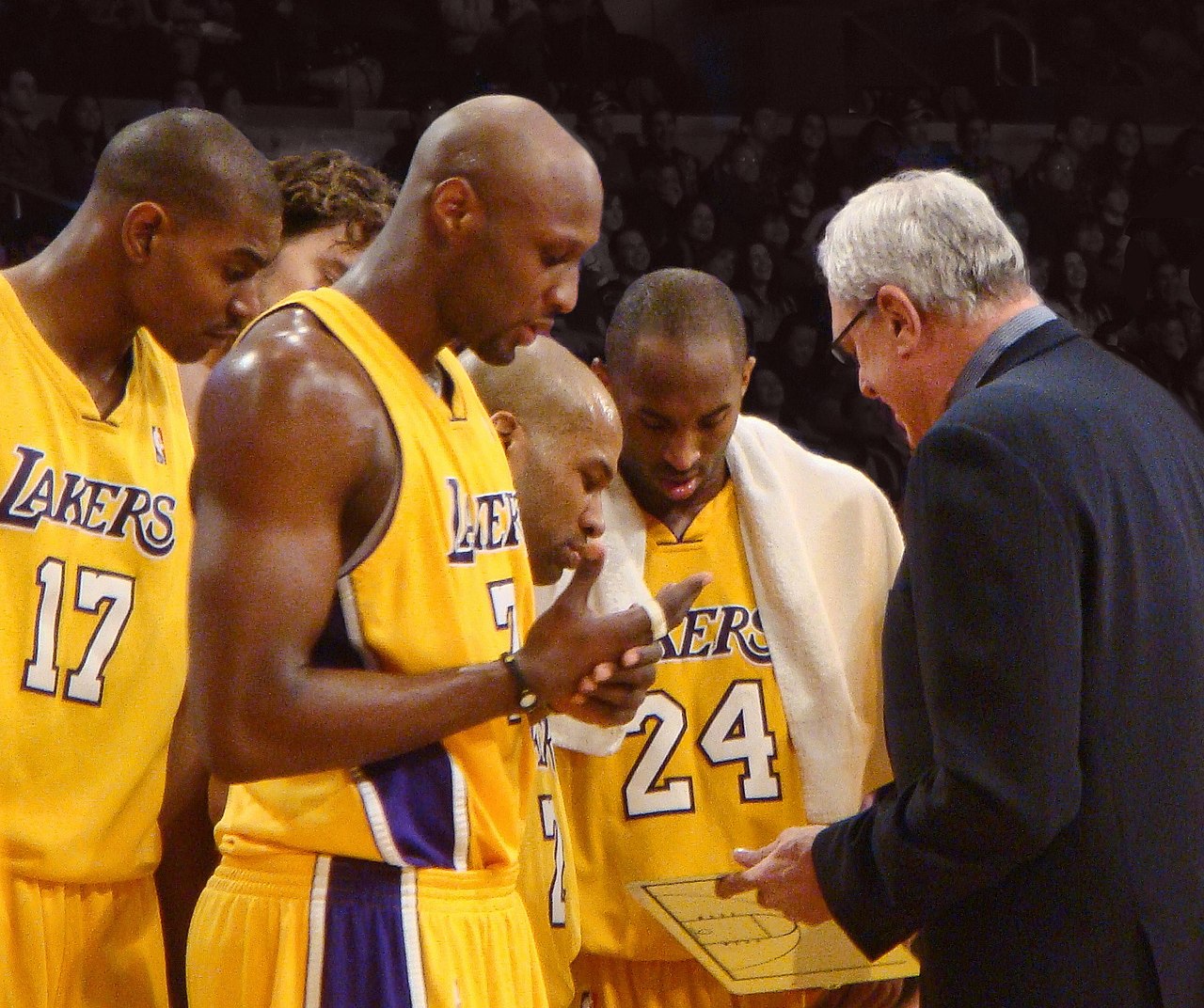


Overview of career
Jackson won eleven NBA titles as a head coach: six with the Chicago Bulls (helping form the dynasty of the 1990s) and five with the Los Angeles Lakers. Before coaching, he played in the league and was a member of championship teams. His coaching success placed him among the most decorated coaches in league history, and he has frequently been cited in discussions of the game's greatest coaches.
Style, approach and characteristics
Jackson became widely associated with two defining elements of his teams: the disciplined implementation of the triangle offense and an emphasis on team cohesion and mindfulness. His approach blended conventional Xs-and-Os with less conventional practices — drawing on Zen principles, Native American influences, group rituals, and techniques aimed at creating trust among players. These methods earned him the nickname "Zen Master" and distinguished him from coaches who relied solely on tactical instruction.
Career timeline and notable achievements
- Player: Jackson spent his playing years with the New York Knicks and the New Jersey Nets and was part of NBA championship rosters as a player.
- Chicago Bulls (head coach): He led the Bulls to six championships in two three-peats during the 1990s, managing stars such as Michael Jordan and Scottie Pippen.
- Los Angeles Lakers (head coach): He guided the Lakers to five championships across two eras, working with players including Shaquille O'Neal and Kobe Bryant.
- Executive: After retiring from coaching in 2011, he later accepted a senior front-office position with the New York Knicks and served as team president until his dismissal in 2017.
Legacy and notable facts
Jackson's eleven championships as a coach made him the winningest head coach in terms of titles in modern NBA history, surpassing the total of earlier coaches. As of 2010 he also held one of the highest regular-season winning percentages among coaches who had led at least 500 games, a statistical measure often cited when comparing coaching careers. His legacy is a mix of on-court accomplishment and off-court influence: many coaches and players reference his psychological techniques, and his use of offensive structure and player management has been studied widely.
Jackson's biography touches on his Montana roots — he was born in Montana — and his playing past with the New York Knicks. For further reading and statistical reference, see general league histories and profiles that compile his seasons, titles and coaching record; search resources that focus on his philosophy and the tactical systems he favored, including the triangle offense and methods for managing superstar talent and team dynamics (winning percentage reports and retrospectives).
Though some aspects of his style remain debated, Phil Jackson's combination of strategic systems, psychological tools, and consistent results ensures he remains a central figure in discussions of coaching, leadership, and championship-level team building in basketball history. For more detailed accounts, consult official team histories and long-form profiles that trace his playing career, championship seasons, and later executive tenure (Chicago Bulls, Los Angeles Lakers, NBA summaries).
Author
AlegsaOnline.com Phil Jackson Leandro Alegsa
URL: https://en.alegsaonline.com/art/128710