
Pharoah Sanders: American Tenor Saxophonist and Spiritual Jazz Pioneer
Pharoah Sanders (1940–2022) was an influential American tenor and soprano saxophonist known for his work in spiritual and avant-garde jazz, his association with John Coltrane, and the landmark album Karma.
Overview
Pharoah Sanders (born Farrell Sanders; October 13, 1940 – September 24, 2022) was an American saxophonist whose music helped define spiritual and avant-garde strands of modern jazz. He played tenor and soprano saxophones and became widely admired for a tone that ranged from gentle lyricism to aggressively multiphonic, overblown sounds. Fellow musician Ornette Coleman once described him as "probably the best tenor player in the world," a remark often cited to convey Sanders' standing among peers.
Image gallery
4 Images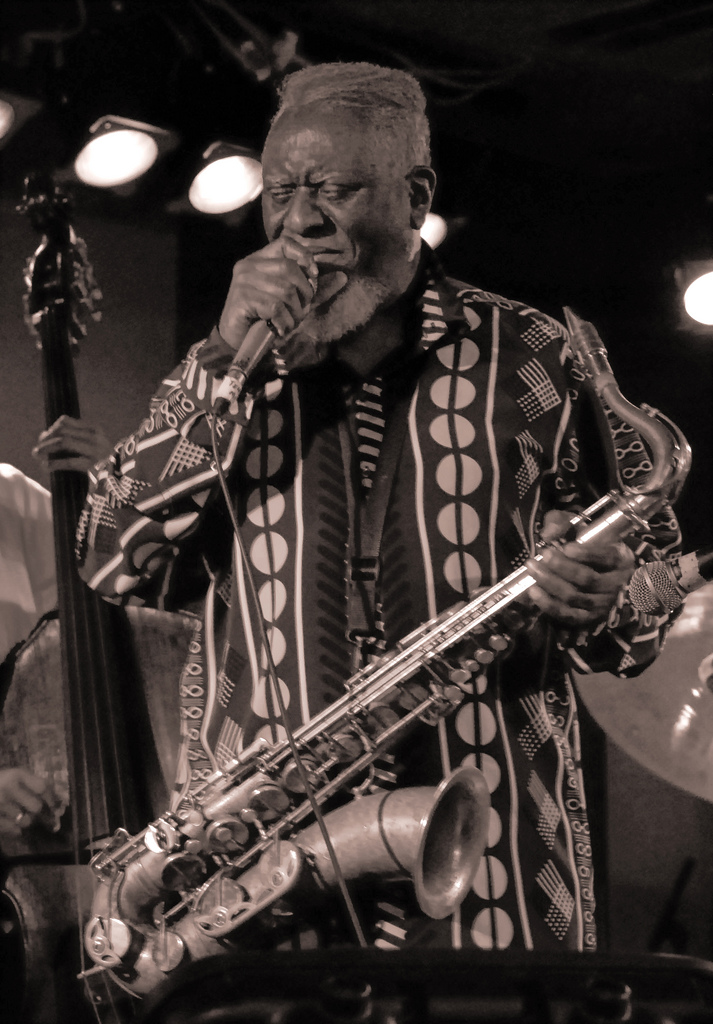
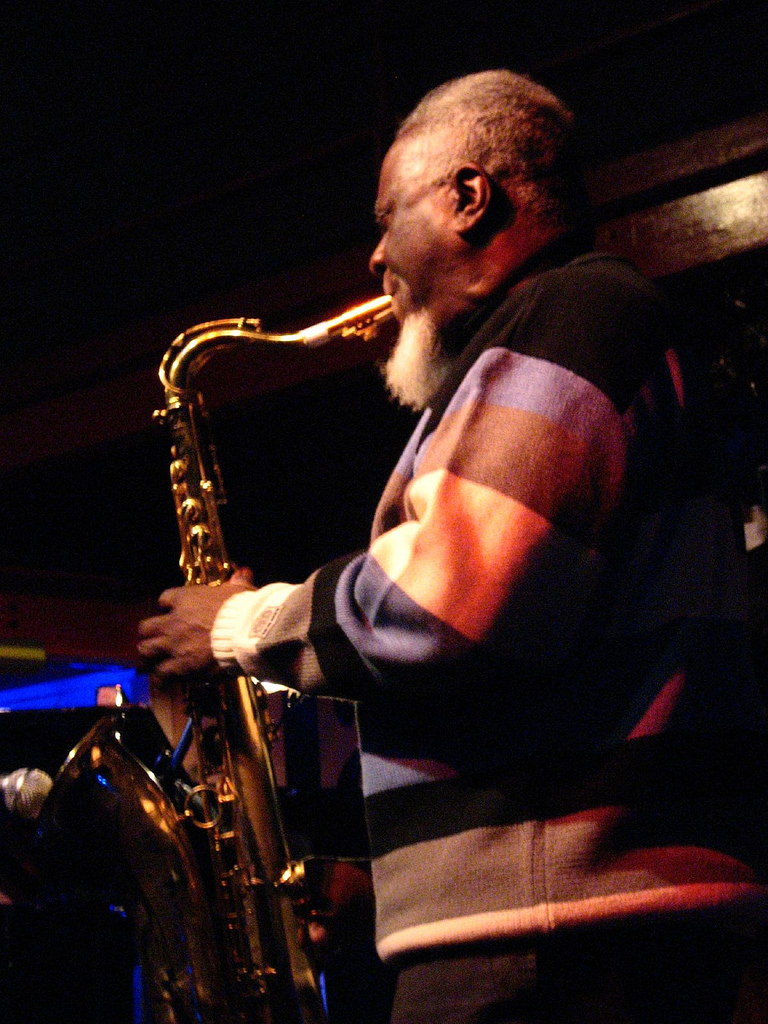

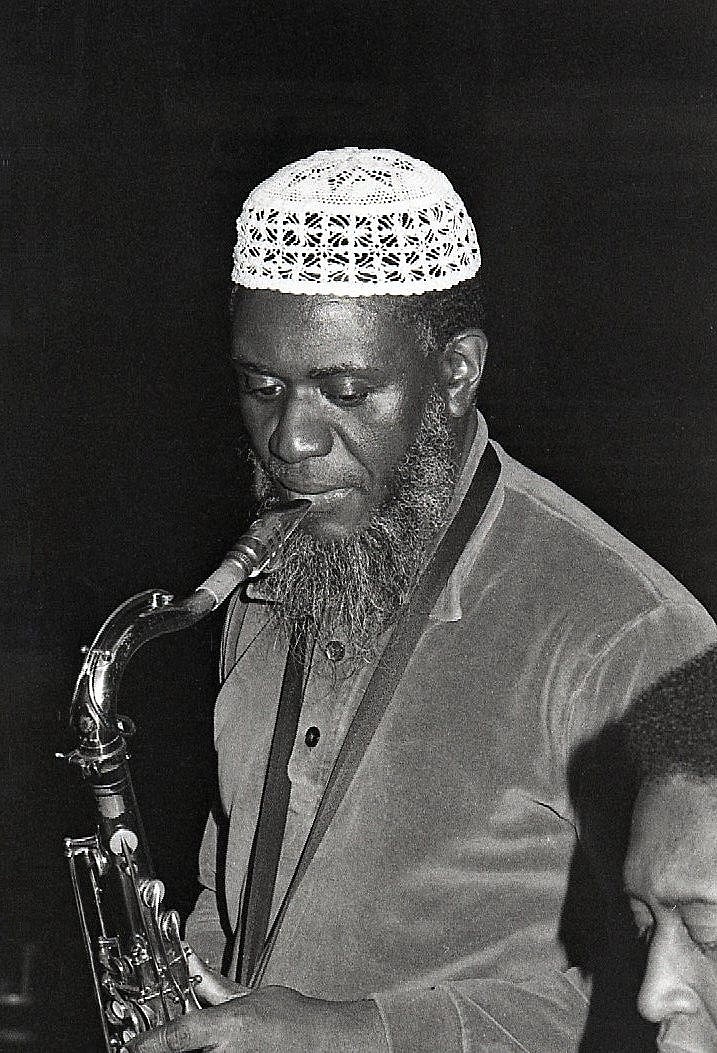
Musical style and characteristics
Sanders' playing combined extended techniques—overtones, growls, and multiphonics—with a deep sense of melody and spiritual intensity. His music drew on gospel, African and Eastern modalities, and free improvisation. These elements produced long, devotional compositions and passionate solos that aimed less at harmonic conventionality than at emotional and spiritual expression. He alternated between meditative passages and fierce, cathartic exhalations, creating a distinctive voice that many listeners associate with the era's search for transcendence in music.
Career and collaborations
Sanders rose to prominence in the 1960s, notably as a member of John Coltrane's late ensembles, where his tenor work complemented Coltrane's explorations. After moving into bandleading and recording, he released albums that secured his reputation. In 1968 he contributed to the Jazz Composer's Orchestra project led by Michael Mantler and Carla Bley, a large-scale avant-garde recording that also featured artists such as Cecil Taylor, Don Cherry, Larry Coryell and Gato Barbieri. Many of Sanders' best-known records were released on the Impulse! label and explored extended forms and group interaction.
Selected recordings and examples
- Karma (1969) — contains the long, acclaimed piece "The Creator Has a Master Plan," an emblem of Sanders' spiritual approach.
- Early and mid-career albums that blend free improvisation with collective ensemble sounds and lyrical motifs.
- Collaborative appearances alongside leading avant-garde and post-bop musicians throughout the 1960s and 1970s.
Legacy
Sanders is remembered as a major voice in late-20th-century jazz whose music bridged the spiritual, the experimental, and the emotive. His influence appears in subsequent generations of players who prioritize tone color, extended technique, and a devotional sense of performance. He continued to record and perform for decades, leaving a discography and a reputation for deeply felt, exploratory music. Sanders died at his home in Los Angeles on September 24, 2022, at the age of 81, leaving a lasting imprint on modern jazz practices and listeners worldwide.
Author
AlegsaOnline.com Pharoah Sanders: American Tenor Saxophonist and Spiritual Jazz Pioneer Leandro Alegsa
URL: https://en.alegsaonline.com/art/128638