
Peter Rock: Chilean nueva ola and rock musician
Peter Rock (born Peter Mociulski von Remenyk) was a prominent Chilean rock and nueva ola singer, active from the 1960s. He performed at major festivals, appeared in film, and remained an emblem of Chile's early pop-rock scene.
Peter Rock was the stage name of Peter Mociulski von Remenyk (1945–2016), a singer who became one of the recognizable figures of Chile's early pop and rock movement. Born near Vienna shortly after World War II, he emigrated with his family to Chile in the mid-1950s and adopted a stage identity that linked him to the burgeoning youth music culture influenced by Anglo-American rock and roll.
Image gallery
1 Image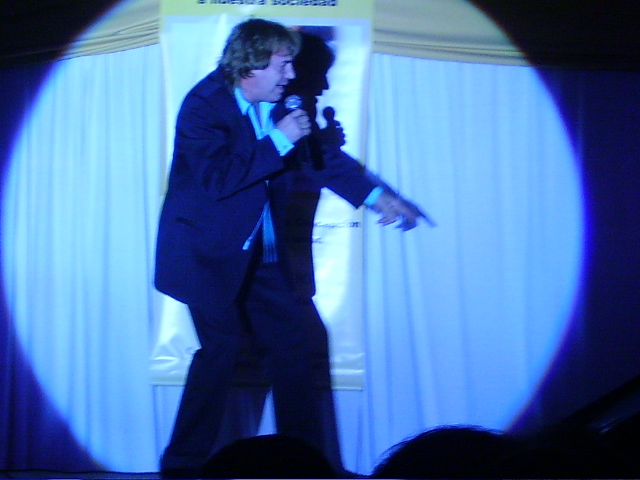
Early life and background
Peter's childhood was marked by relocation and cultural change. After the death of his father and his mother's remarriage, the family relocated to South America in 1955. Settling in Chile exposed him to Spanish-language popular music as well as imported records and films, which shaped his musical direction and public persona.
Musical style and career
He performed songs in a style shaped by classic rock and roll rhythms and the lighter, danceable pop of the Latin American nueva ola. This movement combined simple rock instrumentation, catchy melodies, and Spanish lyrics to form a local youth-oriented pop scene in the 1960s and beyond. Peter Rock became known for his stage presence and for bringing international rock sounds into Chilean popular culture.
Performances, film and public life
Throughout his career he appeared at major Chilean events and festivals, including the Festival de Viña del Mar and regional music events such as Bierfest Valdivia. Late in life he also had a small acting role in the Chilean film Blood Sugar Baby (2014). These public appearances helped maintain his visibility across generations of listeners.
Illness, death and legacy
In October 2014 Peter Rock was diagnosed with amyotrophic lateral sclerosis (ALS), a progressive neurodegenerative disease that eventually confined him to a wheelchair. He died in Viña del Mar on 16 April 2016. His career is remembered as part of the larger nueva ola era that introduced rock-based pop to Chilean audiences and helped shape the country's popular music identity in the mid-20th century.
Notable aspects
- Representative figure of Chilean nueva ola and early pop-rock culture.
- Bridge between European origins and Chilean musical life after emigration.
- Active performer at national festivals, contributing to the popularization of youth music styles.
Author
AlegsaOnline.com Peter Rock: Chilean nueva ola and rock musician Leandro Alegsa
URL: https://en.alegsaonline.com/art/128559