
Peter Ackroyd: English novelist, biographer and historian
Profile of Peter Ackroyd (born 1949), an English novelist, critic, poet and historian known for his books on London, literary biographies and fiction that entwines history and myth.
Peter Ackroyd is an English novelist, critic, poet, television writer and historian whose work spans biography, cultural history and imaginative fiction. Born in East Acton, London, in 1949, he has written for general and scholarly audiences, producing influential studies of writers and of the city of London as well as novels that often rework historical material.
Image gallery
1 Image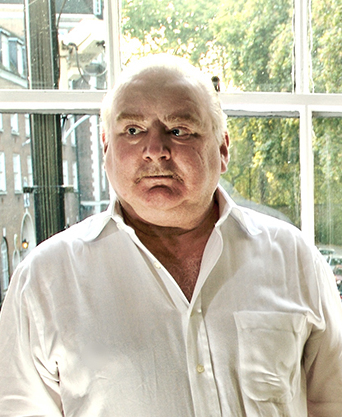
Education and early career
Ackroyd read English at Clare College, Cambridge and later pursued further study at Yale University. His academic grounding in literature and history informed both his critical work and his fiction, and he has combined scholarly research with a lively narrative style. He also worked as a reviewer and contributed to television and radio projects, bringing literary subjects to wider audiences.
Major themes and types of work
Ackroyd's publications fall into several overlapping categories: literary biography, cultural and urban history, poetry, and novels. He is particularly noted for books that treat the city of London as a living subject, and for biographies that emphasize how writers' lives intersect with larger historical currents. His fiction frequently blends historical fact, pastiche and speculative reconstruction.
Characteristics and significance
- Emphasis on place: long, detailed treatments of London and its development.
- Biographical approach: close readings of literary figures framed by historical context.
- Genre blending: novels that echo documentary forms, pastiches and metafictional devices.
These features make his work useful to readers interested in the relationship between literature, history and urban life, and have secured his reputation as a public intellectual who writes for both specialists and general readers.
Honours and personal life
Ackroyd has received national honours for his literary work and has been widely reviewed and anthologized. He is openly gay and has discussed aspects of identity and sexuality in relation to literary biography and cultural history; for more on his background and viewpoints see personal life. His career illustrates a persistent interest in how stories, places and historical records shape cultural memory.
For readers seeking further information, reviews and selections of his work are available in literary journals and general reference sources, and his books remain widely read by those exploring biography, urban history and inventive historical fiction.
Author
AlegsaOnline.com Peter Ackroyd: English novelist, biographer and historian Leandro Alegsa
URL: https://en.alegsaonline.com/art/128457