
Peer Steinbrück — German politician and economist
Profile of Peer Steinbrück, German Social Democratic politician and economist; former Minister-President of North Rhine-Westphalia and Federal Minister of Finance, known for pragmatic fiscal policies and a blunt public manner.
Overview
Peer Steinbrück (born 10 January 1947) is a German politician and economist associated with the Social Democratic Party. He has held senior state and federal offices, including Minister-President of North Rhine-Westphalia and Federal Minister of Finance. Steinbrück is widely recognised for a pragmatic approach to economic policy and a direct, sometimes controversial, public style.
Image gallery
2 Images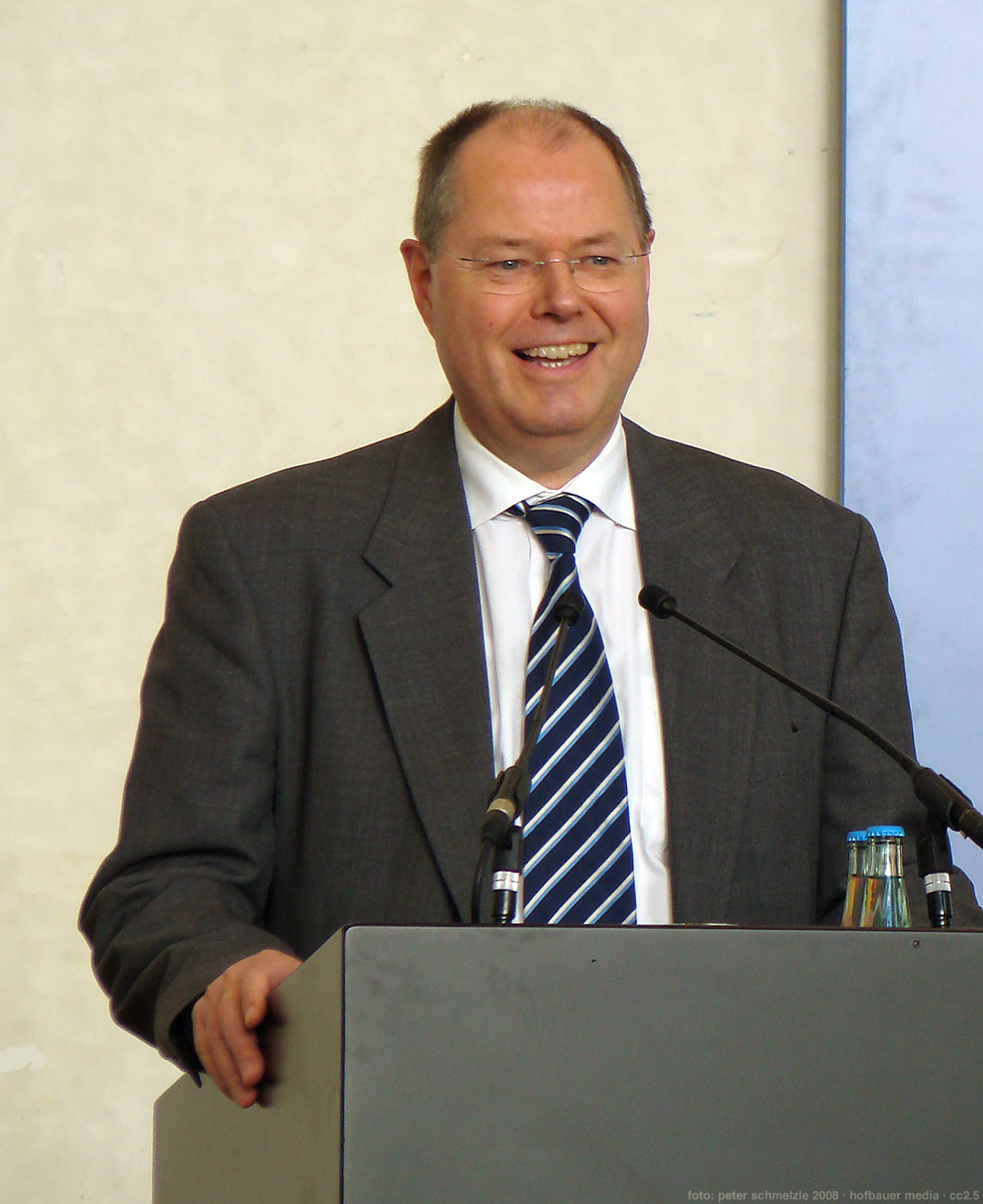

Early life and education
Steinbrück was born in Hamburg and raised in northern Germany. After secondary education he completed reserve officer training with the Bundeswehr in 1968–1969. He studied economics at the University of Kiel from 1970 to 1974, graduating with a degree in national economy. His early professional career included various posts in state ministries and administrative offices, where he developed expertise in fiscal and infrastructure policy.
Political career and offices
Steinbrück joined the Social Democratic Party (SPD) in 1969 and rose through regional ranks. He served in Schleswig-Holstein and later in Schleswig-Holstein and North Rhine-Westphalia state governments, holding portfolios for economy, infrastructure and finance. Key offices include:
- State minister for economy and infrastructure in Schleswig-Holstein
- State minister for infrastructure and then finance in North Rhine-Westphalia
- Minister-President of North Rhine-Westphalia (2002–2005)
- Federal Minister of Finance in the Grand Coalition (from November 2005)
During his time as finance minister he played a central role in federal budget decisions and crisis responses, and he was also a prominent voice within his party, serving in senior SPD leadership roles.
Policy focus and public reputation
Steinbrück's policies emphasised fiscal responsibility, competitiveness and reform of public finances. He combined a social-democratic outlook with a willingness to accept difficult, sometimes unpopular measures to balance budgets. In public life he became known for plain speaking and sharp rhetoric; this forthrightness made him a polarising figure who drew both praise for candour and criticism for bluntness.
Later career and significance
After serving at federal level, Steinbrück remained active in public debate and party politics. He was the SPD's candidate for chancellor in the 2013 federal election, running on a platform that stressed economic stability and social fairness. After leaving frontline politics he continued to work as a commentator, consultant and speaker on economic and political matters.
Notable facts and distinctions
Observers often cite Steinbrück as a skilled administrator with deep knowledge of fiscal policy and state government. His career illustrates the pathway from regional executive offices—such as those in Schleswig-Holstein and North Rhine-Westphalia—to influential federal roles. For further reading about German politics and Steinbrück's positions, see profiles and analyses at general reference sources and political archives.
Author
AlegsaOnline.com Peer Steinbrück — German politician and economist Leandro Alegsa
URL: https://en.alegsaonline.com/art/128404