
Paul Michael Glaser
American actor and director, best known for his role as Detective David Starsky on the 1970s television series Starsky & Hutch; later worked as a television and film director.
Paul Michael Glaser (born March 25, 1943) is an American actor and director who rose to widespread recognition in the 1970s. He became a household name for his portrayal of Detective David Starsky on the popular television series Starsky & Hutch, a role that established him as a leading figure in the era's crime-drama and buddy-cop storytelling.
Image gallery
3 Images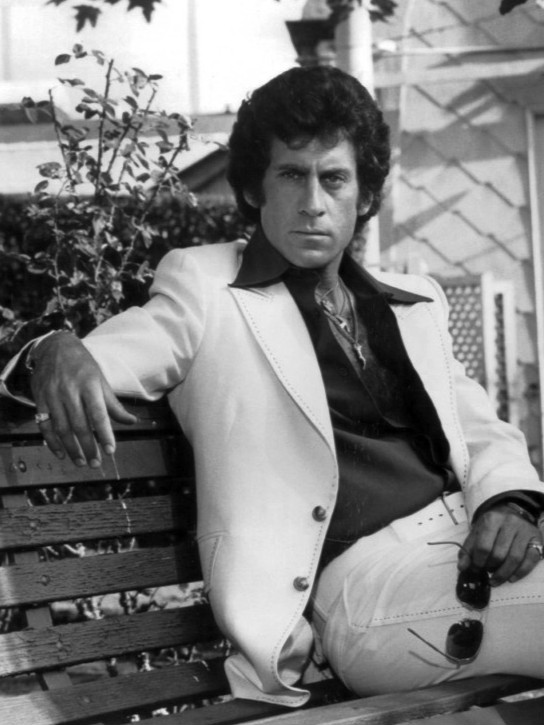


Overview and career
Glaser began his professional life in performance with stage work and small screen appearances before landing parts that increased his visibility. His performance style combined dramatic intensity with a natural, relatable presence that suited both episodic television and occasional film roles. After achieving fame as an actor, he expanded his career to include directing for television and features, moving behind the camera while still returning to acting from time to time.
Characteristics and notable elements
His best-known television persona—tough, loyal, and occasionally hot-headed—helped define an archetype that influenced later police and buddy cop shows. The visual and cultural trappings of his signature series, including the partnership dynamic and the show's distinctive car, became part of 1970s popular culture. Glaser's transition into directing demonstrated a desire to shape stories from both performance and production perspectives.
Work as a director
Following his acting breakthrough, Glaser directed episodes of television series and several made-for-TV projects as well as feature work. His directorial work emphasized character-driven narratives and often drew on his experience as an actor to communicate effectively with casts. He has been credited for bringing practical, actor-focused sensibilities to his projects.
Legacy and later activity
Glaser's portrayal of a dedicated detective in a high-profile series left a lasting mark on American television. He remains associated with that role in popular memory, while his directing career and occasional later appearances have shown a continued engagement with entertainment over decades. Beyond acting and directing, he has been involved in interviews and retrospectives reflecting on the impact of 1970s television on contemporary drama.
Further notes
- Best known for television work and a landmark 1970s series.
- Successfully transitioned from on-screen roles to directing.
- Recognized as part of the development of the buddy-cop and police procedural genres.
For more about his performances and credits, consult dedicated film and television reference sources or archives that catalogue television history.
Author
AlegsaOnline.com Paul Michael Glaser Leandro Alegsa
URL: https://en.alegsaonline.com/art/128316