
Patricia Morison
American actress and singer (1915–2018) best known for originating the lead in Cole Porter’s Kiss Me, Kate and for a long career on stage, screen and television.
Overview
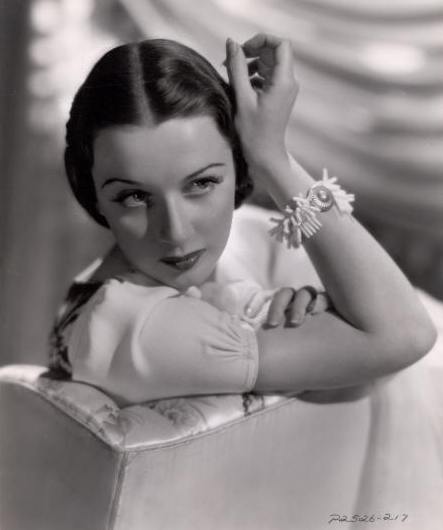
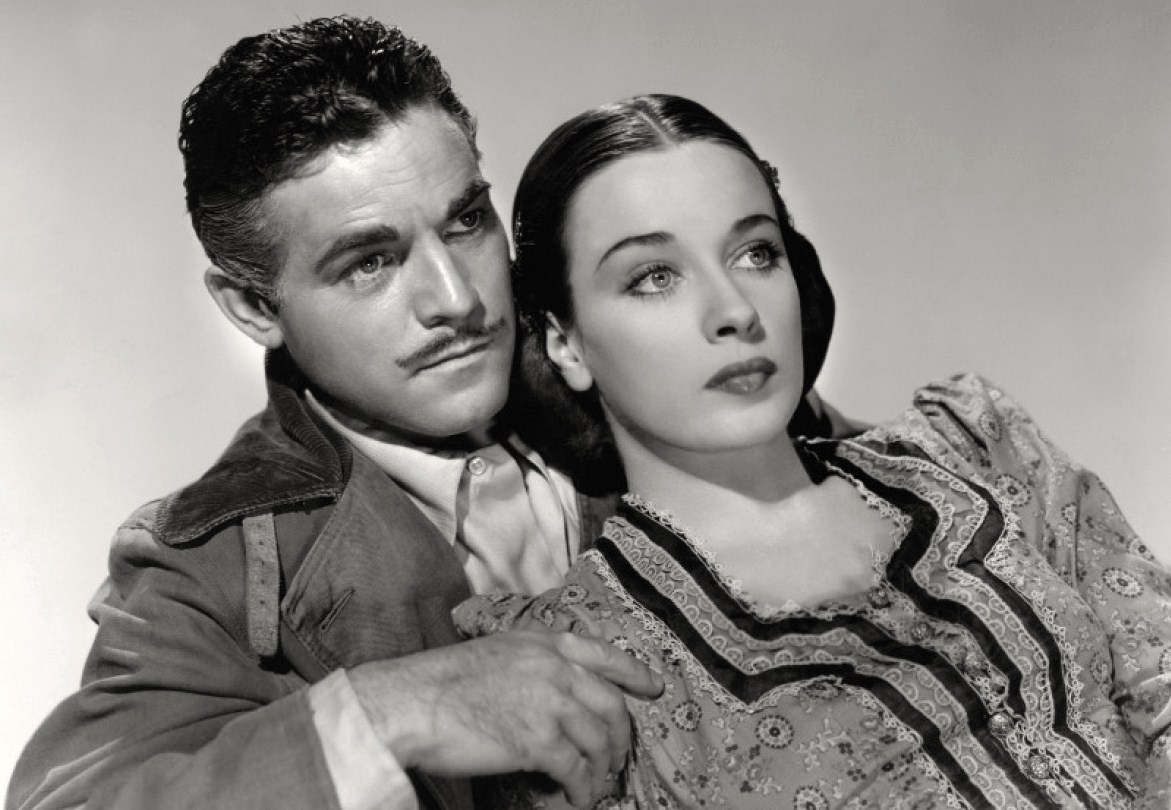
Patricia Morison (born Eileen Patricia Augusta Fraser Morison; March 19, 1915 – May 20, 2018) was an American actress and singer whose career spanned the theater, film and television. She is most widely remembered for creating the role of the leading lady in the original Broadway production of Kiss Me, Kate, a landmark musical by Cole Porter. Her combination of dramatic presence, vocal ability and glamorous image made her a notable figure in mid-20th century American entertainment.
Image gallery
3 Images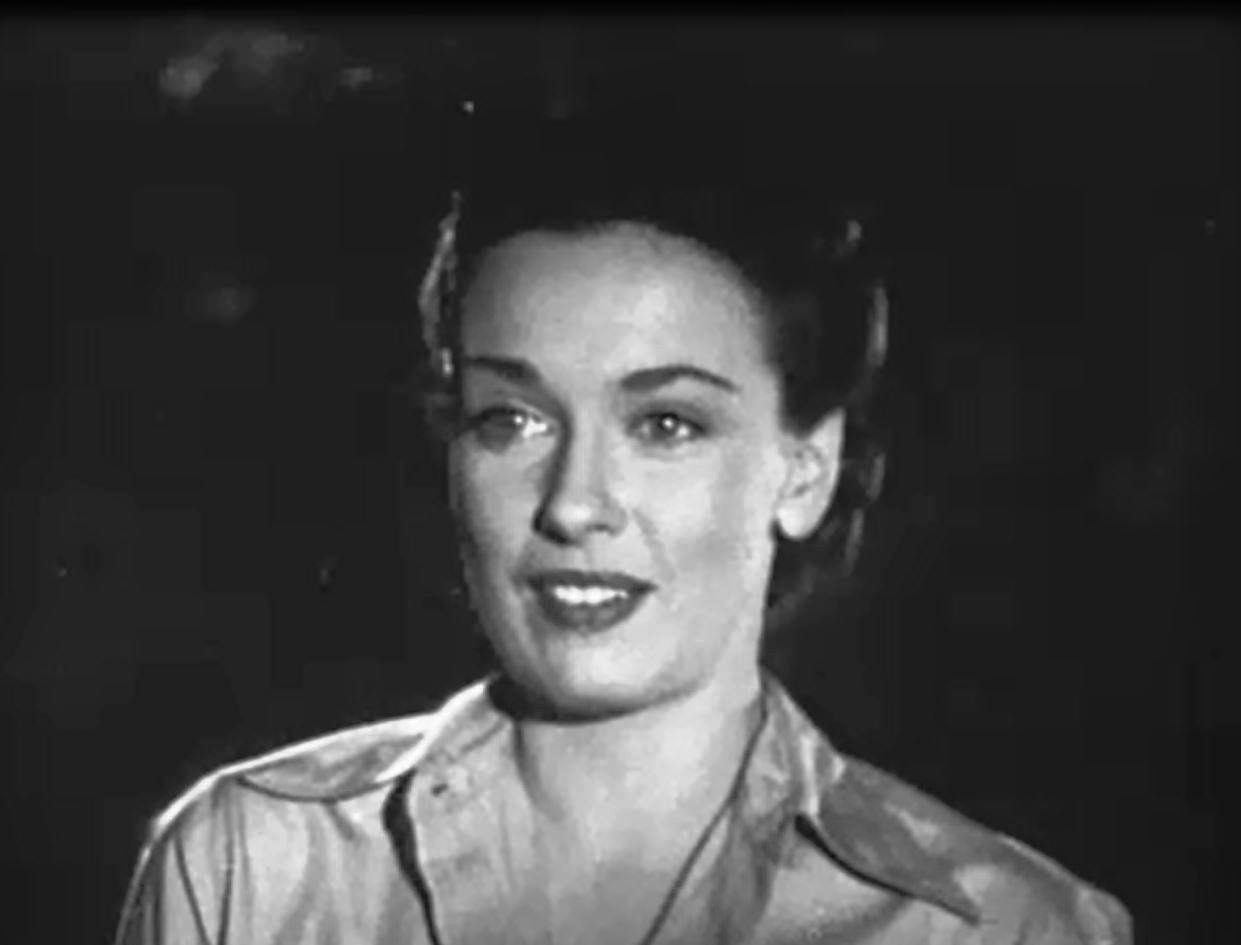
Early life and career beginnings
Born with the name Eileen Patricia Augusta Fraser Morison, she trained as a singer and moved between concert work, film and the legitimate stage during the 1930s and 1940s. She transitioned from small film roles to larger parts in musicals and became particularly associated with Broadway after World War II. Her early training and versatility allowed her to take on both straight dramatic parts and demanding musical numbers.
Stage and screen highlights
Morison reached the height of her public recognition when she originated the dual role of Lilli Vanessi/Katherine in the 1948 Broadway premiere of Kiss Me, Kate, opposite Alfred Drake. The production was celebrated for its witty book, lively choreography and Porter's score; Morison's performance helped introduce several songs that became standards in the musical theater repertoire. Beyond Broadway, she worked in films and later appeared on television, demonstrating a steady professional adaptability across media.
Notable traits and legacy
Throughout her career Morison was praised for her stagecraft, sophisticated persona and clear soprano. She carved out a reputation as a glamorous leading lady who could act and sing with equal skill. In later years she continued to be associated with revivals and interviews reflecting on mid-century musical theater. Morison died in Los Angeles at the age of 103 on May 20, 2018, leaving a legacy tied closely to the golden age of American musicals and the enduring popularity of Kiss Me, Kate. Her life and work are often cited in discussions of mid-20th-century stage performers and the development of American musical comedy.
Further notes
- Actress and singer active across stage, film and television
- Originated a major Broadway role in a Cole Porter score (Cole Porter)
- Passed away in Los Angeles in 2018 at age 103
Author
AlegsaOnline.com Patricia Morison Leandro Alegsa
URL: https://en.alegsaonline.com/art/128102