
Otto von Guericke: inventor of the vacuum pump and Magdeburg hemisphere experiments
German scientist, inventor and politician Otto von Guericke (1602–1686) pioneered vacuum research, built early air pumps, demonstrated atmospheric pressure with the Magdeburg hemispheres, and influenced experimental science.
Otto von Guericke (born November 20/30, 1602; died May 11/21, 1686) was a German scientist, inventor and civic leader whose experiments on empty space and atmospheric pressure helped establish experimental methods in natural philosophy. He is best known for constructing mechanical pumps that could evacuate air and for dramatic demonstrations showing the forces exerted by the surrounding atmosphere. References to the two calendar systems are commonly made when recording his dates: Julian calendar and Gregorian calendar.
Image gallery
10 Images




Overview and scientific aims
Guericke combined practical engineering with theoretical curiosity. Working in the turmoil of 17th-century Germany, he sought to test whether a true void could exist and how air and pressure behave when it is removed. His experiments engaged directly with longstanding philosophical debates about the possibility of a vacuum and the causes of natural phenomena, and they emphasized reproducible demonstrations rather than purely speculative argument.
Main experiments and inventions
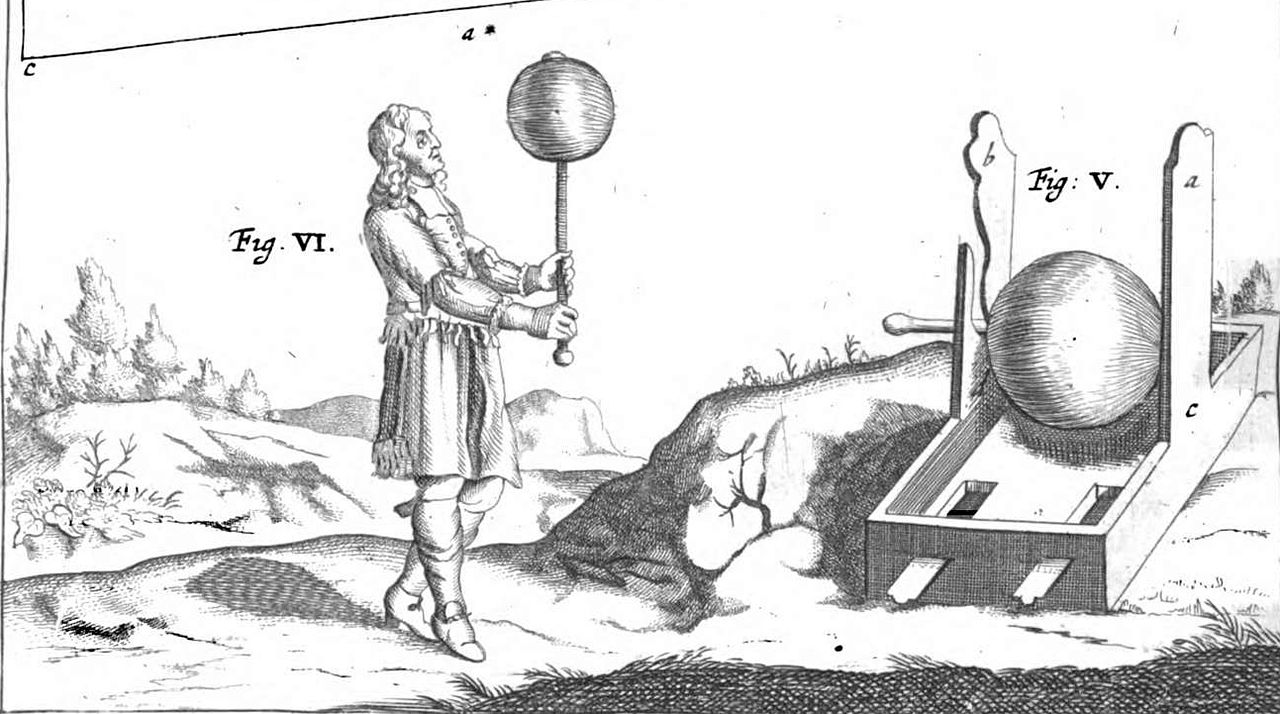
His most famous device was an air pump capable of creating a strong partial vacuum. Using that pump he performed the celebrated Magdeburg hemispheres demonstration: two large metal hemispheres were fitted together, the air between them was pumped out, and teams of horses could not pull the halves apart—dramatically illustrating the magnitude of external atmospheric pressure. These kinds of experiments, and his published descriptions, are often cited in discussions of vacuum research and the early scientific revolution.
Contributions and legacy
- Experimental technique: Guericke helped establish controlled, repeatable laboratory demonstrations as a route to physical knowledge.
- Invention: He built and improved pumps and instruments for evacuating air, influencing later experimenters who refined vacuum technologies.
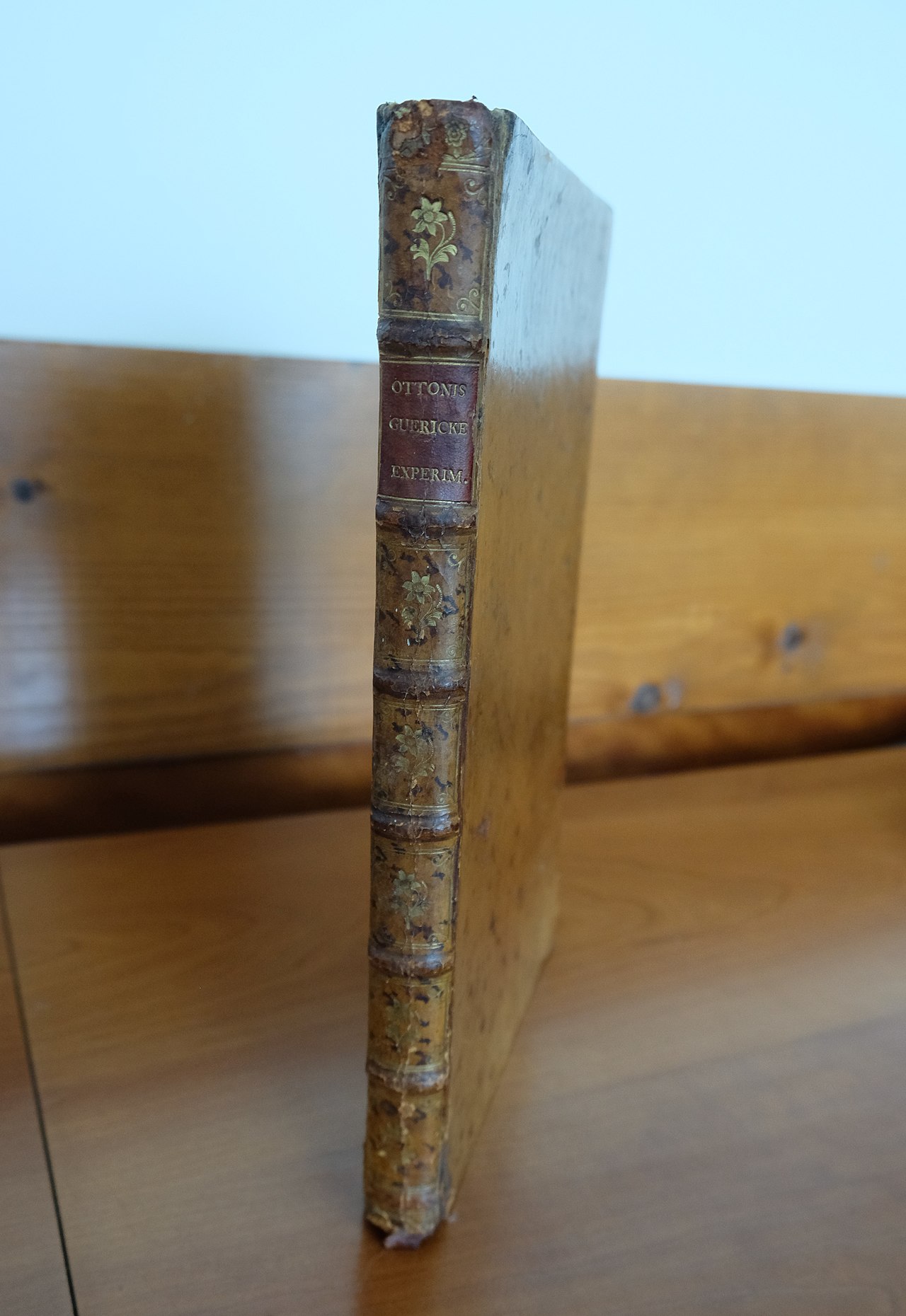
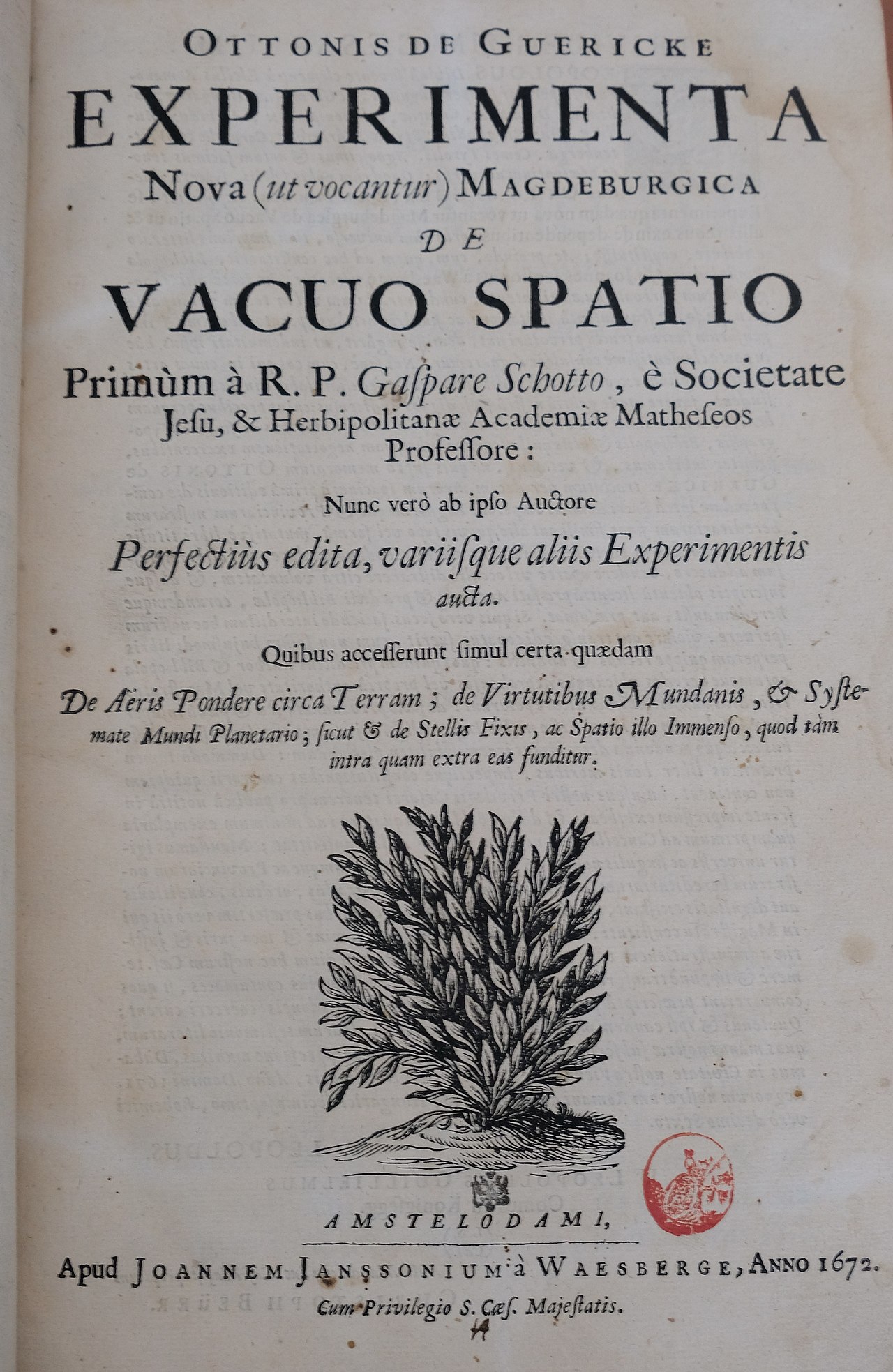
- Publication: He recorded his methods and results in a work that circulated among contemporary natural philosophers, making his demonstrations available to a wider audience.
- Influence: His work fed into later studies of atmospheric pressure, pneumatics and early electrical phenomena and intersected with the work of other 17th-century scientists.
Guericke was also active in public life: he served in municipal government in Magdeburg and engaged in technical projects such as water management and mine engineering, reflecting the era’s close links between civic needs and scientific activity. His combination of practical skills and theoretical curiosity made him an exemplar of an emerging experimental mindset.
Today Otto von Guericke is remembered primarily for bringing clear experimental evidence to questions about vacuums and air, and for the dramatic Magdeburg hemispheres demonstration that remains a vivid teaching example of atmospheric pressure. His work illustrates how careful apparatus and public demonstrations helped shift scholarly opinion in the 17th century toward empirical investigation and instrument-based science.
Author
AlegsaOnline.com Otto von Guericke: inventor of the vacuum pump and Magdeburg hemisphere experiments Leandro Alegsa
URL: https://en.alegsaonline.com/art/127999