
Otto Piene: German artist and cofounder of the ZERO movement
Otto Piene (1928–2014) was a German artist who co-founded the ZERO group and became known for pioneering light, fire and sky art, large-scale public installations and collaborations between art, science and technology.
Overview
Otto Piene (18 April 1928 – 17 July 2014) was a German artist whose practice ranged from painting and performance to large outdoor installations. He was a cofounder of the postwar avant-garde group ZERO and became widely known for experiments with light, smoke, fire and inflatable structures that emphasized movement, ephemerality and public spectacle.
Image gallery
6 Images



Artistic practice and characteristics
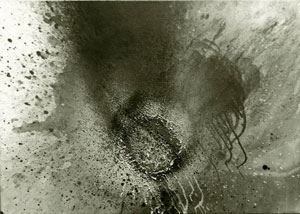
Piene’s work is characterized by an interest in elemental forces and new materials. He pursued pieces that changed over time or required atmospheric conditions, exploring how light, air and combustion could be used as artistic media. His approach often blurred the distinctions between drawing, sculpture, architecture and performance, and it foregrounded process and experience rather than static objects.
ZERO and historical context
In 1957 Piene and Heinz Mack established the group ZERO as a reaction to the expressive painting and figurative art that dominated the immediate postwar years. ZERO artists sought a fresh start—a “zero point”—and experimented with monochrome surfaces, kinetic effects, neon, reflective materials and serial forms. The movement aimed to rebuild visual language by emphasizing light, motion and simplicity.
Major projects and public commissions
Piene created many works intended for large, public situations. One of his best-known interventions was the Olympic Rainbow, produced for the closing of the 1972 Summer Olympics in Munich: a sky work composed of five differently colored helium-filled polythene tubes that floated above the stadium. He also developed smoke drawings, pyrotechnic performances and luminous inflatable sculptures that could transform urban and natural sites.
Collaboration, teaching and technological engagement
Piene embraced collaboration with scientists, engineers and architects, believing that artistic inquiry could benefit from technical exchange. He played a leadership role in institutional projects that connected artists to research environments and encouraged multidisciplinary teamwork. These initiatives helped introduce technological tools and methods into contemporary art-making.
Legacy and notable facts
Piene remained active internationally throughout his life and continued to present work in galleries and outdoor settings. He died in Berlin in 2014 after exhibiting there. His contributions are frequently cited in histories of light art, public installation and postwar European movements, and his works remain influential for artists exploring scale, atmosphere and collaboration.
Key themes and works
- ZERO movement (cofounded 1957) and the search for a new visual language
- Use of light, smoke, fire, and inflatables as primary media
- Large-scale public events such as the Olympic Rainbow (1972)
- Interdisciplinary collaboration linking art, science and technology
Author
AlegsaOnline.com Otto Piene: German artist and cofounder of the ZERO movement Leandro Alegsa
URL: https://en.alegsaonline.com/art/127993