
Orlando Jordan: Career and Biography of an American Professional Wrestler
Overview of Orlando Jordan, an American professional wrestler known for his WWE United States Championship reign, work on the independent circuit and TNA, wrestling style, and public life.
Overview
Orlando Jordan (born April 21, 1974) is an American professional wrestler who has performed on major televised promotions and the independent circuit. He first rose to wider attention during a multi-year run with the World Wrestling Entertainment (WWE) SmackDown brand and later worked for Total Nonstop Action Wrestling (TNA). Jordan is also known outside the ring for being openly bisexual, a fact he discussed publicly during his career.
Image gallery
5 Images



Professional career
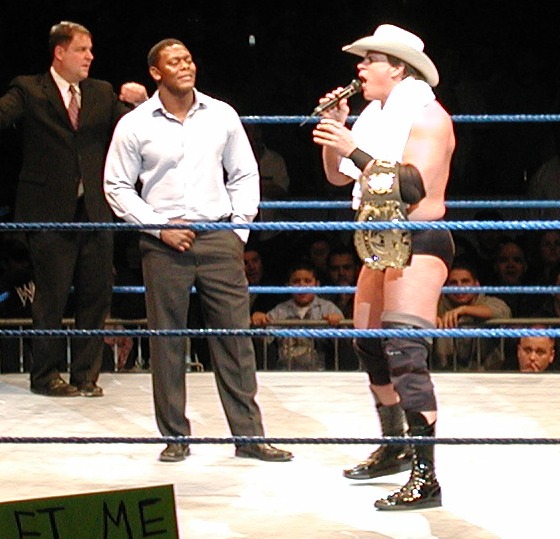
Jordan signed with WWE in the early 2000s and was featured on the SmackDown roster from 2003 through 2006. While with WWE he achieved his most prominent accolade by winning the WWE United States Championship, a singles title that has been used to showcase a performer’s rise on a brand. That victory was notable because he defeated high-profile opponent John Cena on the March 3, 2005 edition of SmackDown, with assistance from John "Bradshaw" Layfield (JBL) in the build-up to JBL’s own title pursuits. Jordan’s tenure with WWE ended in 2006 amid reported backstage issues; the company documented his release on May 26, 2006.
Independent circuit and TNA
After leaving WWE, Jordan continued to wrestle on the independent scene, appearing for a variety of regional promotions and international shows as a journeyman performer. He returned to a national televised promotion when he debuted for Total Nonstop Action Wrestling (TNA) on January 4, 2010, where he worked both as a singles competitor and in tag team arrangements. In TNA he formed a partnership with Eric Young, among other storylines, before his release from TNA in mid-2011. Following that period he resumed work on the independent circuit, making sporadic appearances and maintaining a presence in wrestling seminars and smaller events.
Style, persona and ring work
Jordan has been recognized for an athletic, power-oriented in-ring style that combined speed with strength-based maneuvers. During televised runs he adopted a persona that emphasized intensity and confidence; on occasion he aligned with established heels to elevate his profile. Like many performers who move between major companies and independents, he adapted his presentation to fit different audiences and booking styles.
Notable achievements and distinctions
- WWE United States Champion (one reign) — a key title victory during his WWE tenure (title reference).
- Televised appearances on WWE SmackDown and TNA programming, including angles involving John Cena and alliances with figures such as JBL.
- Active presence on the independent circuit before and after major promotion contracts (independent circuit).
Personal life and public profile
Jordan's openness about his sexuality was notable in the context of professional wrestling, a sport and entertainment industry where performers have historically faced pressures over public presentation and privacy. His decision to speak about being bisexual received attention in mainstream and wrestling media and contributed to broader conversations about representation. For additional background on his listed WWE tenure and post-WWE activities see available profiles and interviews (career overview, profile). For further reading about his matches and chronology, consult promotion archives and reputable wrestling databases (match records, title histories).
Jordan remains a part of wrestling history as a former national champion who transitioned between major televised promotions and the independents. His career illustrates common paths followed by many professional wrestlers: early exposure in a global company, subsequent independent work, a return to televised programming, and continued activity on a regional level. For interviews, match footage and updates on appearances, interested readers should look to promotion pages and verified wrestler listings (TNA team references, alliance mentions, promotion pages).
Author
AlegsaOnline.com Orlando Jordan: Career and Biography of an American Professional Wrestler Leandro Alegsa
URL: https://en.alegsaonline.com/art/127933