
Bisexuality: definition, variations, history, and social context
An overview of bisexuality: meanings, variations and distinctions from related identities, historical notes, social issues and the biological use of 'bisexual'—with common misconceptions and resources.
Overview
Bisexuality (often shortened to "bi") is a sexual orientation in which a person experiences romantic and/or sexual attraction to more than one gender. Depending on how an individual understands their own identity, this can include attraction to people of the same gender and different genders, or attraction that is not limited by gender. For concise background material, see general definitions.
Image gallery
5 Images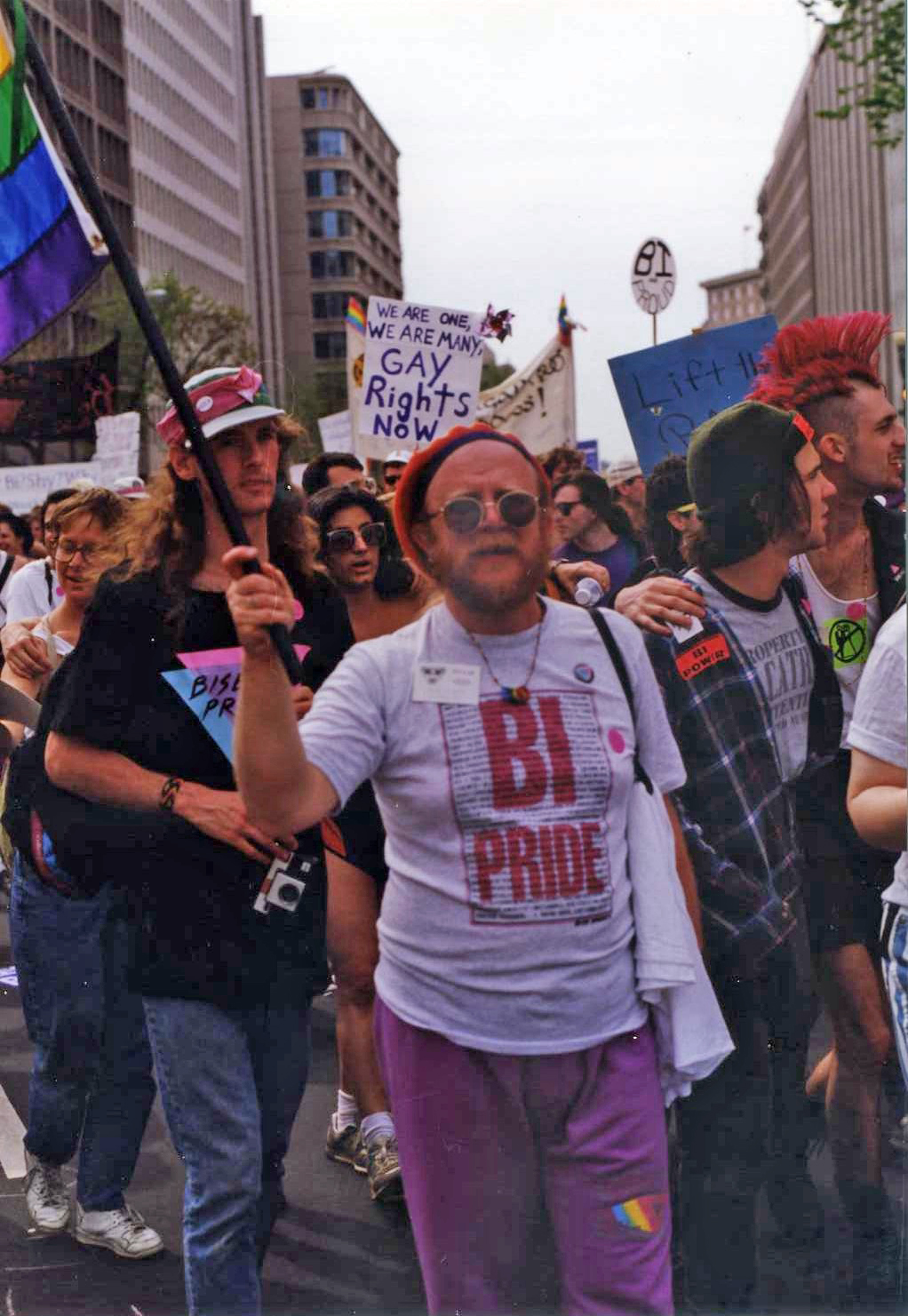


What bisexuality commonly means
People describe bisexuality in different ways. Some emphasize attraction to both men and women; others describe attraction to more than one gender, including non-binary people. The orientation can refer to romantic feelings, sexual desire, or both. For distinctions between romantic and sexual attraction, see romantic attraction and sexual attraction. To reflect attraction beyond the gender binary, many discussions link bisexuality to the idea of being attracted to more than one gender.
Variations, fluidity and related identities
Bisexuality is not a single, uniform experience. Some bisexual people express roughly equal attraction across genders; others have stronger preferences for particular genders. Sexual orientation can be fluid for some individuals. Because terms overlap in everyday use, people sometimes compare or contrast bisexuality with other identities. For example, distinctions are often made between bisexuality and pansexuality, and discussions about gendered attraction connect to concepts of gender identity. The Kinsey scale, introduced by Alfred Kinsey, is one historical model that treated sexual orientation as a continuum rather than a set of discrete categories; see also the idea of a sexual continuum.
Common misconceptions and social issues
- Misconception: bisexual people are confused or indecisive. Reality: bisexuality is a valid orientation and can be a stable identity.
- Misconception: bisexual people are always attracted to cisgender men and women only. Reality: many bisexual people are attracted to multiple genders and this varies by person.
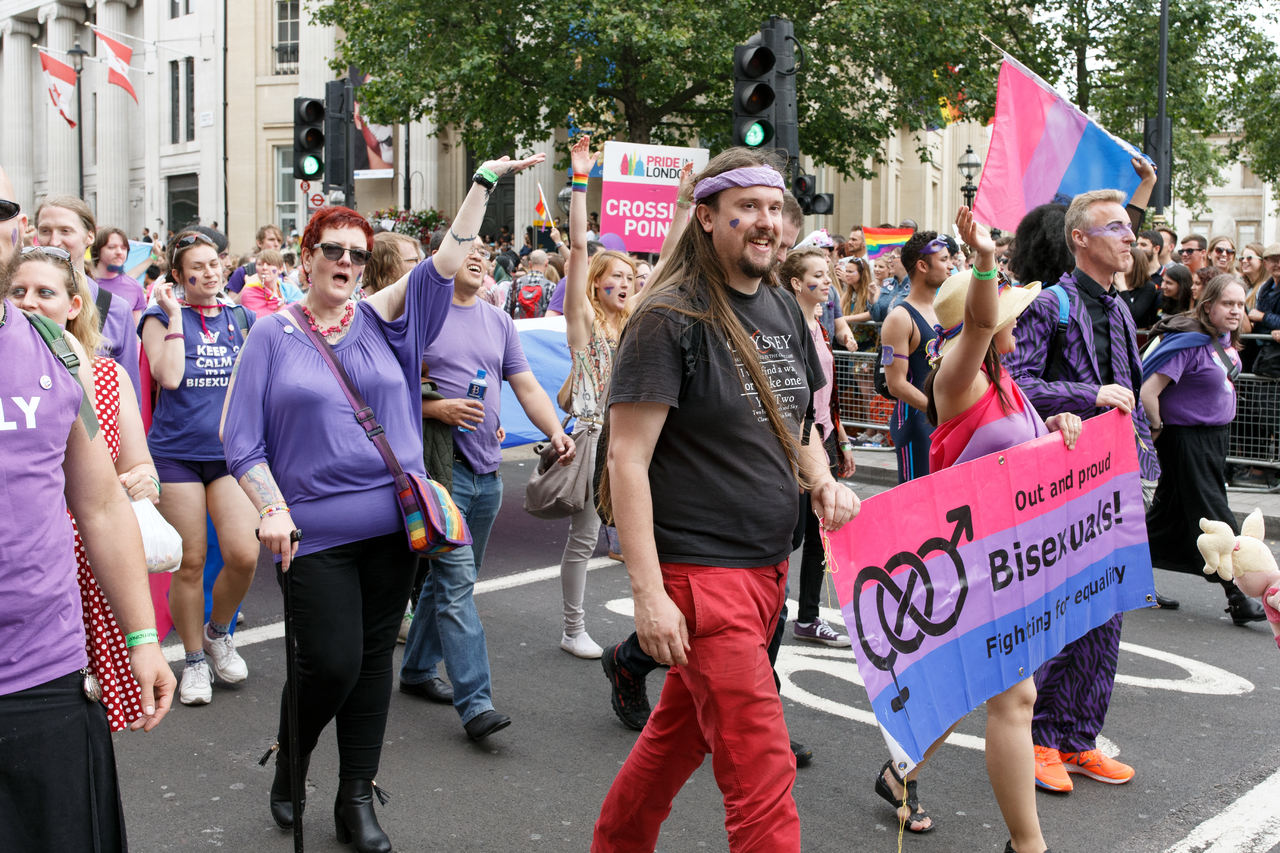
- Reality: bisexual people often face specific stigma, including biphobia and bisexual erasure within wider communities, which can affect mental health and access to resources; many resources and community organizations address these issues within the broader LGBT context.
History and cultural recognition
Language and public awareness about bisexuality have evolved over time. Modern scientific and social conversations about same-sex and multi-gender attraction gained visibility in the 20th century, including through work like Kinsey's research and later LGBT rights movements. As public discourse expanded, communities developed symbols, advocacy groups and designated observances to increase visibility and support. For historical context, see resources about Kinsey and the broader continuum approach.
Biological usage of the term
Outside human sexuality, "bisexual" can have a biological meaning. In biology, the word sometimes describes organisms that possess both male and female reproductive structures or bear reproductive organs of both sexes — a concept that appears in botany and zoology. In that context consult materials on biology, the definition of organisms with mixed sexual structures, and terms related to having both male and female organs (hermaphroditic traits).
Why it matters
Understanding bisexuality matters for personal identity, public health, and social inclusion. Clear, respectful language helps reduce stigma and supports accurate research on well-being, relationships, and community needs. For people seeking more information or community connection, official guides and advocacy organizations offer education, counseling and visibility initiatives; many of these resources are linked in overview materials such as introductory pages and community hubs within the larger LGBT ecosystem.
Further reading and support can be found through community centers, peer-led groups and educational sites listed by advocacy organizations; if you want specific resources, consult reputable local or national groups or the entries linked above.
Questions and answers
Q: What is bisexuality?
A: Bisexuality is a sexual orientation where people are romantically or sexually attracted to both men and women, or more than one gender.
Q: Is pansexuality the same as bisexuality?
A: No, although they are related. Pansexuality means attraction to someone regardless of their sex or gender identity, while bisexuality refers to being attracted to both men and women.
Q: Does the LGBT community have any myths about bisexual people?
A: Yes, there is a popular myth within the LGBT community that bisexual people can only be attracted to cis people (people who identify with their assigned birth gender), and/or males and females. This is incorrect; some bisexual people may have preferences for one or more sexes but this does not invalidate other attractions.
Q: What was Alfred Kinsey's contribution in 1948?
A: In 1948, Alfred Kinsey published the Kinsey scale which showed that sexuality is a continuum from heterosexuality to homosexuality. On the Kinsey scale, a 0 indicates someone who is only heterosexual while a 6 indicates someone who is only homosexual; someone who is equally homosexual and heterosexual (bisexual) would be classified as a 3 on this scale.
Q: How does 'bisexual' relate to biology?
A: In biology, 'bisexual' can define an organism that has both male and female organs - this mostly refers to plants.
Q: Do all bisexual people have preferences for certain genders?
A: Not necessarily; some may have preferences for one or more genders but others may not have any preference at all. Both attractions are valid within the bisexual community as everyone's experience of being bi will be different.
Related articles
Author
AlegsaOnline.com Bisexuality: definition, variations, history, and social context Leandro Alegsa
URL: https://en.alegsaonline.com/art/11778