
Norman Lamont, Baron Lamont of Lerwick
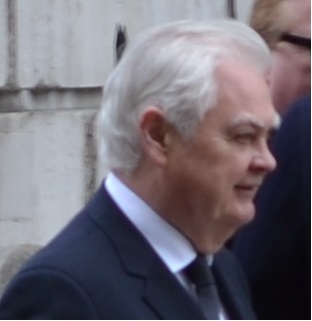
British Conservative politician; MP 1972–1997, Chancellor of the Exchequer 1990–1993, made a life peer in 1998. Born in Shetland (1942), studied economics at Cambridge and later worked in finance.
Overview
Norman Stewart Hughson Lamont (born 8 May 1942) is a British Conservative politician and life peer. He represented Kingston-upon-Thames in the House of Commons from 1972 until 1997 and served as Chancellor of the Exchequer from 1990 to 1993. He was ennobled as Baron Lamont and uses the territorial designation Lamont of Lerwick. He is widely known for his role during the 1992 currency crisis and for a later career in the private sector and public commentary.
Image gallery
3 Images

Early life and education
Lamont was born in the Shetland Islands and brought up in Scotland. He read Economics at the University of Cambridge, gaining the academic grounding that informed his later work on financial and economic policy. His background combined a regional upbringing with study at a major British university, a common pathway for postwar politicians.
Parliamentary and ministerial career
Lamont entered Parliament at a 1972 by-election and held his seat for a quarter century. As a member of the Conservative Party he served in a series of governmental roles, rising to the Cabinet. He is noted for having been a senior Treasury minister before being appointed Chancellor by Prime Minister John Major in 1990.
Chancellorship and the 1992 currency crisis
As Chancellor of the Exchequer (1990–1993) Lamont managed government finances during a difficult economic period. His tenure is most associated with the events of September 1992, when sterling came under intense pressure within the European Exchange Rate Mechanism; the day is often referred to in public discourse as Black Wednesday. The crisis led to the United Kingdom leaving the ERM and had major political and economic repercussions. Lamont resigned as Chancellor the following year, a decision that marked a turning point in his ministerial career.
Later life, peerage and private sector work
In July 1998 he was created a life peer and took a seat in the House of Lords. The title and date are recorded in official notices and Lamont has continued to take part in debates on economic and constitutional matters. Outside Parliament he has been active in financial and investment circles; he has served as a director of an investment company and provided advisory services. He also contributes to public discussion through speeches and commentary.
Significance and notable facts
- Key dates: MP for Kingston-upon-Thames 1972–1997; Chancellor of the Exchequer 1990–1993; created a life peer in 1998 (life peer).
- His chancellorship is linked to the 1992 sterling crisis and the decision to exit the ERM, a pivotal moment in UK economic history.
- Lamont's career bridged public service and private finance, exemplifying a pattern among former senior ministers who move into corporate and advisory roles after leaving the Commons.
For further reading on his public statements, parliamentary record and later interventions on economic policy consult authoritative biographies and official archives. Biographical summaries and selected speeches can be found through major parliamentary resources and speeches collections (economic topics, university records, Chancellor's office material). Additional contemporary reporting and retrospective analyses are available in political and financial commentaries (peerage notice, territorial designation, party background, private sector work).
Author
AlegsaOnline.com Norman Lamont, Baron Lamont of Lerwick Leandro Alegsa
URL: https://en.alegsaonline.com/art/127760