
Nicanor Parra — Chilean poet, mathematician and originator of antipoetry
Chilean poet Nicanor Parra (1914–2018) blended science and everyday speech to create 'antipoetry', a widely influential form in Spanish-language literature. He was also a mathematician and physicist.
Overview
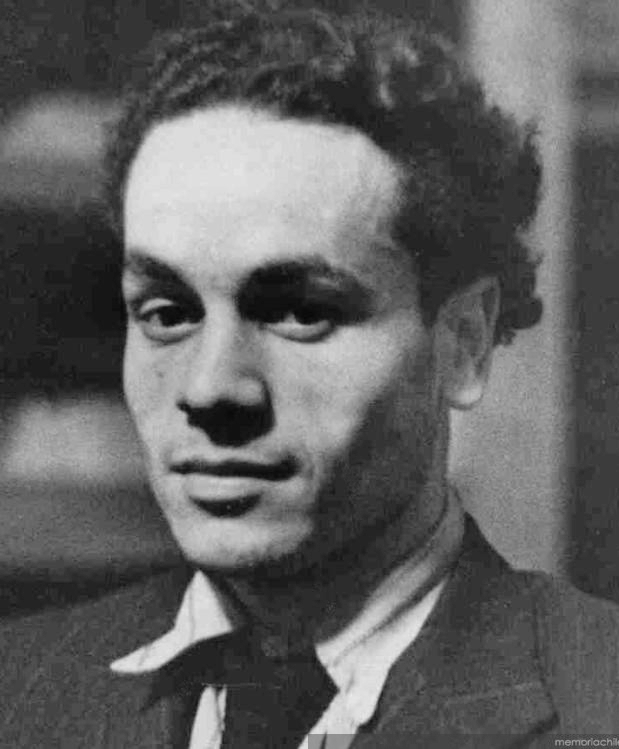
Nicanor Parra (5 September 1914 – 23 January 2018) was a Chilean poet whose work transformed modern Spanish-language verse. Trained in mathematics and physics, Parra brought a scientific precision, irony and conversational tone to poetry, developing a distinctive approach often called "antipoetry." His influence extends across Latin American letters and beyond.
Image gallery
4 Images


Life and education
Born in northern Chile, Parra studied science and completed advanced studies that combined physics and mathematics. He taught and worked in academic settings while also writing poetry. Parra belonged to a notable artistic family; his sister, the folklorist and singer Violeta Parra, was an important figure in Chilean culture. Later in life he lived in Santiago and continued publishing and performing his work until his death in La Reina, Chile, at age 103.
Antipoetry: style and characteristics
Parra's so-called antipoetry rejected ornate, elevated diction in favor of everyday language, frank humor, paradox and social critique. He often employed colloquial speech, aphorisms, black comedy and abrupt line breaks to unsettle readers' expectations and challenge literary conventions. The result is a voice that can be playful, bitter, political and philosophically acute all at once.
Major works and recognition
- Poemas y antipoemas (1954) — widely considered a landmark that introduced his antipoetic stance to a broad audience.
- Subsequent collections and performances that expanded his reputation across the Spanish-speaking world.
Parra received multiple national and international honors, including major literary prizes, and was nominated several times for the Nobel Prize in Literature. He remains a central figure in discussions of 20th-century Hispanic poetry.
Legacy and influence
Parra changed expectations for poetic voice in Spanish, opening the way for writers who favored direct speech, cultural critique and formal experimentation. His blending of scientific training with literary invention created a singular approach that continues to be studied and imitated. Scholars and readers approach his work both for its linguistic innovations and for its moral and social provocations.
Further reading
For general biographical overviews, see resources labeled as poet biographies and critical essays on Parra's work. For summaries of his scientific background consult material under mathematics and physics. Consider introductory anthologies and critical studies available through cultural portals and literary guides, as well as region-specific surveys of Latin American poetry and movements. Additional curated pages and bibliographies are listed at selected resources.
Author
AlegsaOnline.com Nicanor Parra — Chilean poet, mathematician and originator of antipoetry Leandro Alegsa
URL: https://en.alegsaonline.com/art/127554