
Bokmål — the primary written standard of Norwegian
Bokmål is one of Norway's two official written Norwegian standards, widely used in education, media and government. It has Danish roots, regulated norms, and several historical reforms and variants.
Bokmål (UK /ˈbuːkmɔːl/, US /ˈbʊk-, ˈboʊk-/; literally "book language") is one of the two official written forms of Norwegian. The other official form is Nynorsk. Bokmål is the dominant written standard in Norway, used by a large majority of the population and commonly chosen for teaching Norwegian to foreign learners. The standard is overseen by the Norwegian Language Council, while a conservative variant called Riksmål is maintained by a non-governmental language academy.
Image gallery
3 Images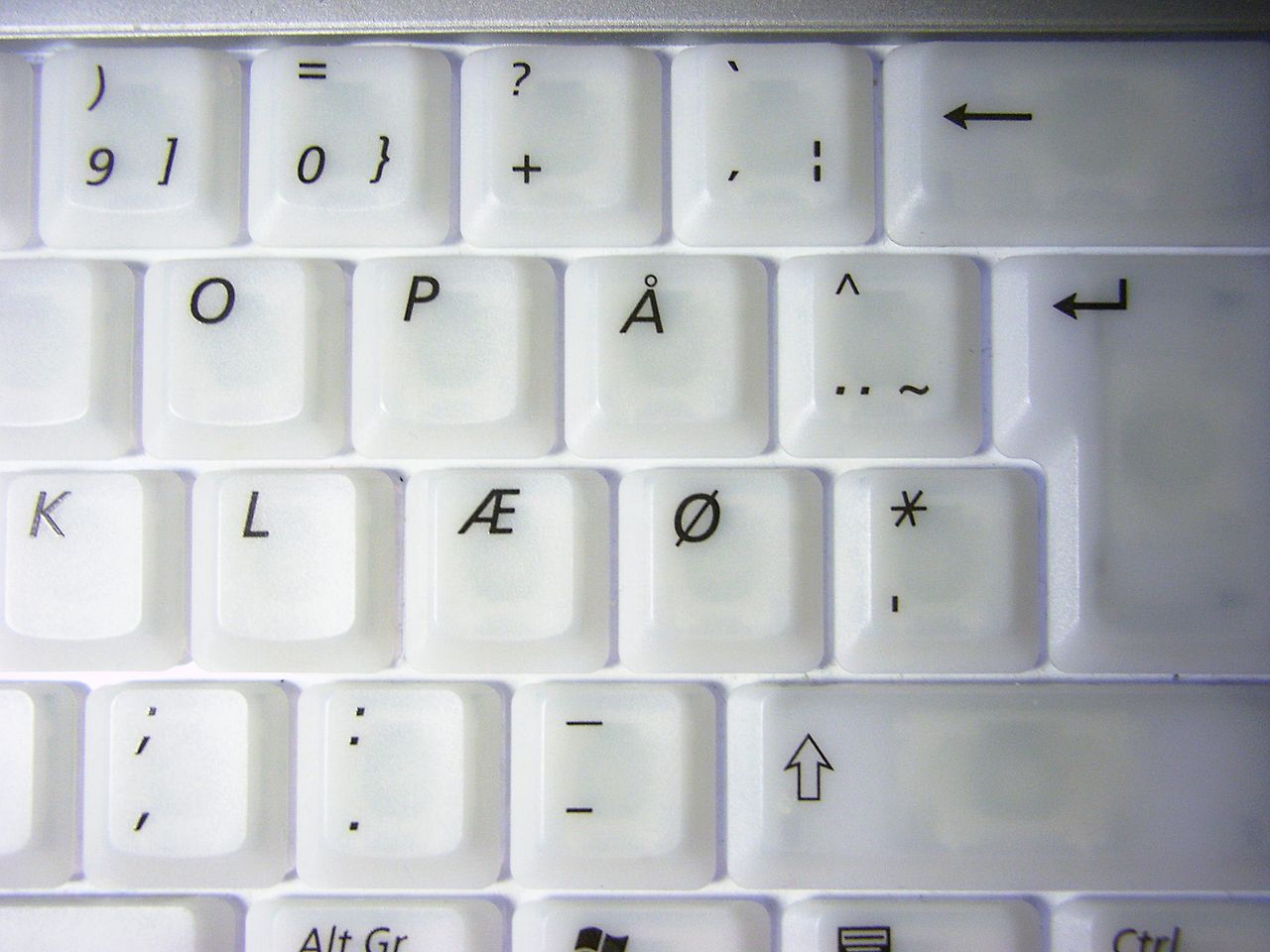

Overview and defining traits
Bokmål is a written norm rather than a single spoken form. Its spelling and grammar reflect historical contact with Danish and later reforms that aimed to adapt the written language to Norwegian speech. The orthography uses the Latin alphabet with letters such as æ, ø and å, and it accommodates both traditional and modern spellings. Grammatically, Bokmål permits forms with three grammatical genders, though two-gender usage is common in many written and spoken contexts.
Key characteristics
- Orthography: standardized spellings that balance etymology and phonetic considerations.
- Vocabulary: many words resemble Danish forms, yet modern Bokmål also incorporates Norwegian dialectal words and international loanwords.
- Flexibility: writers may choose between conservative and moderate forms for certain endings and pronouns.
Origins and historical development
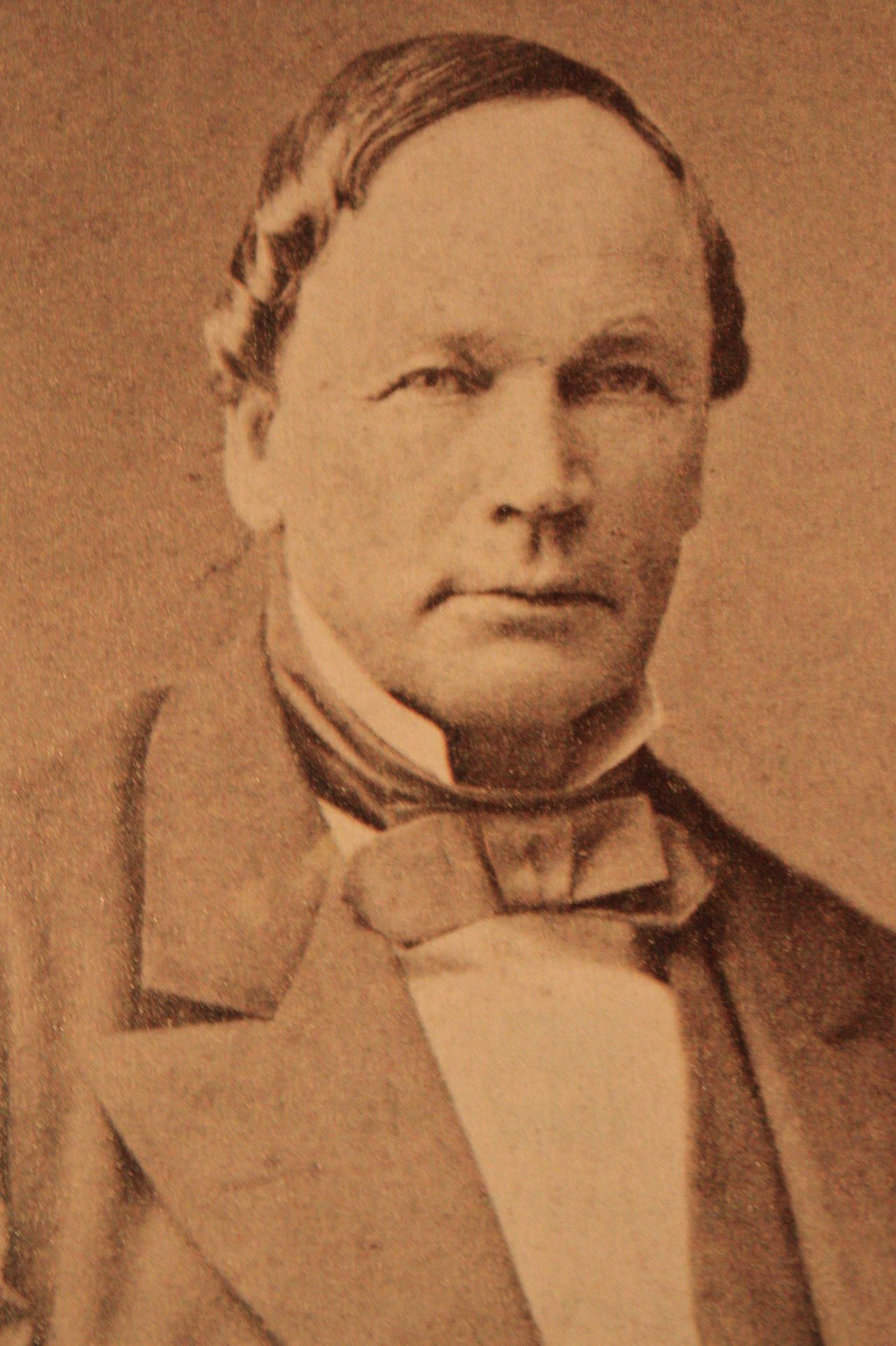
Bokmål developed from the written Danish used in Norway during centuries of political union with Denmark. In the 19th century, language reformers advocated new written standards: one movement sought to create a Norwegian written form based on rural dialects, giving rise to Nynorsk, while other reforms gradually adapted the Danish-based norm into what became Bokmål. Through a sequence of spelling reforms and public debate in the 19th and 20th centuries, the written form evolved toward the modern standard used today.
Usage, education and public life
In contemporary Norway Bokmål is widely used in newspapers, books, broadcast media, government documents and schools. Municipalities and institutions may recognize both written forms, and individual writers, publishers and educators choose an orthographic variety that suits their audience. Foreign learners often study Bokmål as their first written Norwegian variant because of its prevalence in printed and digital media.
Variants, regulation and notable facts
Riksmål is a more conservative, tradition-oriented form closely related to early Bokmål; it is maintained by a private language academy. The government-appointed Norwegian Language Council issues official recommendations and regulates public usage. Debates about spelling, gender forms and the relationship between written and spoken language continue to shape Bokmål. Today it coexists with Nynorsk as part of Norway’s bilingual written culture, reflecting regional identities and historical influences.
Related articles
Author
AlegsaOnline.com Bokmål — the primary written standard of Norwegian Leandro Alegsa
URL: https://en.alegsaonline.com/art/12749
Sources
- sprakrad.no : "Fakta om norsk språk"