
Nayib Bukele — Salvadoran politician and president
Profile of Nayib Bukele, Salvadoran businessman-turned-politician, mayoral career, presidency since 2019, key policies, controversies, and his impact on El Salvador's politics and governance.
Nayib Armando Bukele Ortez (born 24 July 1981) is a Salvadoran businessman and politician who has served as the 46th President of El Salvador since 1 June 2019. Known for his energetic media presence and branding, Bukele rose from municipal office to the national stage by presenting himself as an outsider to the traditional parties and emphasizing security, economic modernization, and efficient public services.
Image gallery
10 Images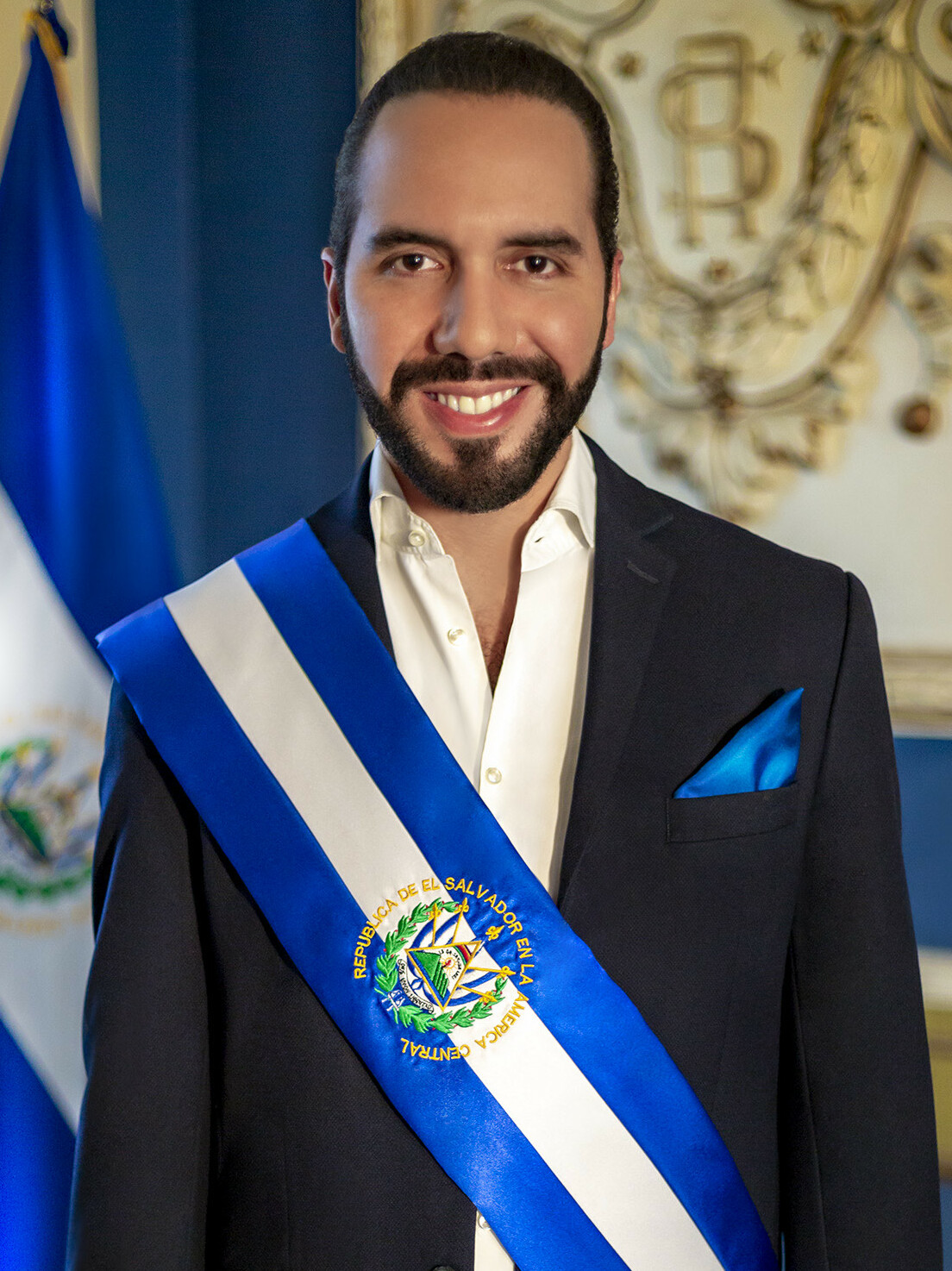


Early life and business background
Bukele was born in 1981 and worked in the private sector before entering politics. His background includes roles in family-owned enterprises and in advertising and marketing, skills that he later applied to his political campaigns. He has been described as media-savvy and uses social networks extensively to communicate with supporters and announce policy initiatives.
Mayoral career and political rise
He first held elected office as mayor of Nuevo Cuscatlán, winning election in March 2012. In 2015 he was elected mayor of San Salvador, the capital, where he implemented visible municipal projects and a communications-focused approach to governance. His tenure as mayor raised his national profile and helped him build a base that carried him into the 2019 presidential election.
Presidency: priorities and initiatives
As president, Bukele has pursued a platform centered on public security, investment attraction, infrastructure projects and digital innovation. Notable initiatives include aggressive campaigns against criminal gangs, efforts to simplify government services, and high-profile economic measures intended to signal openness to new technologies and investment. Supporters praise rapid results on crime reduction and visible public works.
Controversies and institutional concerns
Bukele’s style and methods have attracted criticism from international observers, human rights groups and political opponents. Critics point to measures that concentrate power in the executive branch, limits on dissent, and broad security measures that raise civil liberties questions. Debate continues over the balance between effective governance and the preservation of democratic checks and balances.
Significance and political legacy
Nayib Bukele reshaped El Salvador’s political landscape by mobilizing a popular base outside the traditional party system and by using modern communications to drive policy agendas. His influence extends to debates about governance models in the region, the role of technology in state policy, and how democracies respond to security crises. Observers assess his long-term legacy by weighing policy outcomes against institutional impacts.
- Roles: businessman, mayor, national president.
- Themes: security, modernization, media-driven politics.
- Contested areas: executive power, civil liberties, institutional independence.
Author
AlegsaOnline.com Nayib Bukele — Salvadoran politician and president Leandro Alegsa
URL: https://en.alegsaonline.com/art/127464