
Nancy Kassebaum — U.S. Senator from Kansas and bipartisan health reformer
Profile of Nancy Landon Kassebaum, Republican U.S. Senator from Kansas (1978–1997), known for bipartisan work on health insurance portability, moderate positions, and her role as a pioneering woman in the Senate.
Overview
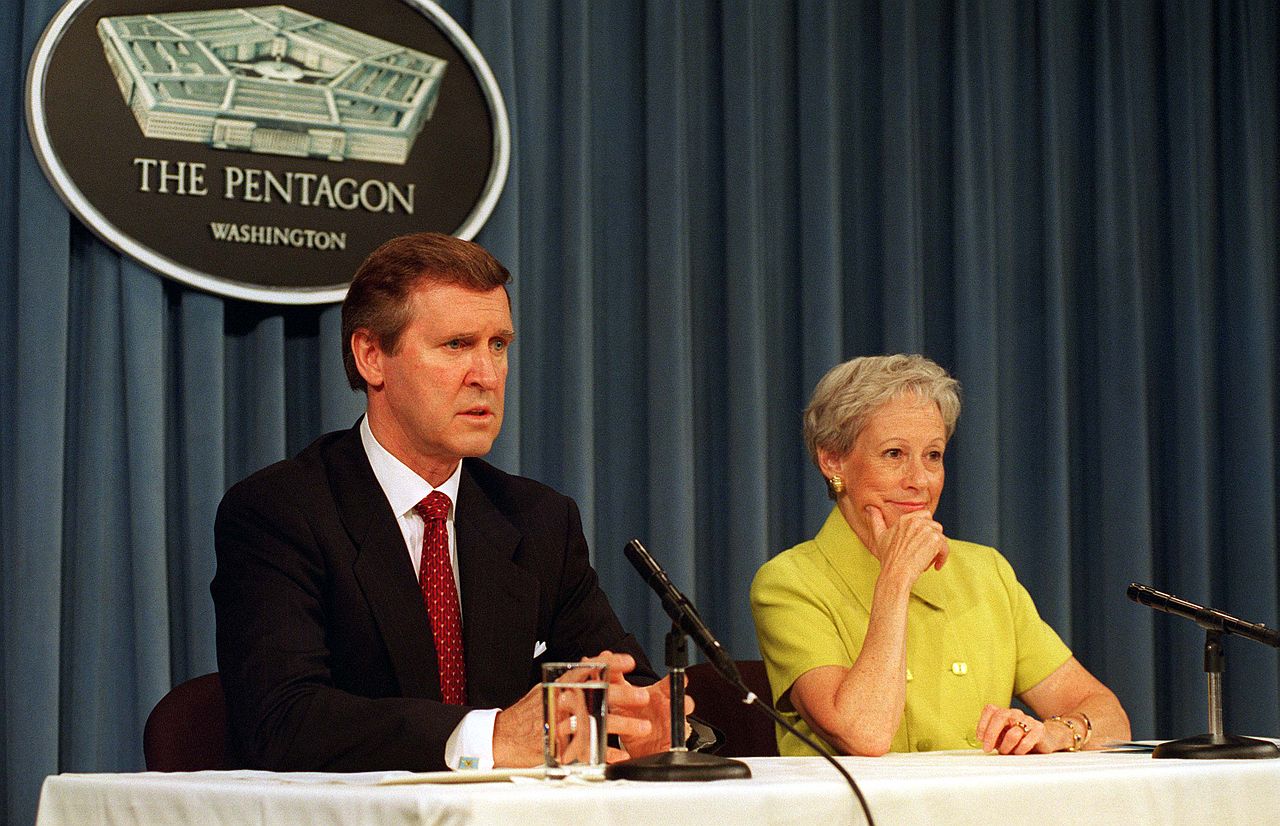
Nancy Landon Kassebaum (born July 29, 1932) is an American politician who represented Kansas in the United States Senate from 1978 to 1997. A member of the Republican Party, Kassebaum was widely regarded as a moderate and a pragmatic legislator who often worked across party lines, especially on health and social policy. She is also notable for her family background and for breaking gender barriers in the Senate.
Image gallery
3 Images
Early life and background
Born to a politically prominent family, Kassebaum is the daughter of Alf Landon, governor of Kansas in the 1930s and the Republican nominee for president in 1936. Her upbringing in Kansas and experience in state and national political circles shaped her interest in public service. Before entering elected office she worked in public affairs and maintained a profile that mixed policy knowledge with a strong connection to agricultural and Midwestern concerns.
Senate career and policy focus
During nearly two decades in the Senate Kassebaum won respect for independence from strict party orthodoxy and for a focus on practical problems. She took leadership roles on issues such as health care, labor and human resources, and agricultural matters important to her constituents. In the 1990s she served as chair of the Senate committee that handled health and human services matters, a platform she used to pursue reforms to make health coverage more portable and consumer protections more robust.
Bipartisanship and notable legislation
Kassebaum is perhaps best known for working with colleagues across the aisle to pass health insurance reforms that eased the transition between jobs for people with preexisting medical conditions and improved portability of benefits. Her ability to build consensus with lawmakers from both parties became a defining feature of her tenure. Her pragmatic approach attracted attention during an era when party polarization was beginning to increase.
Personal life and later activity
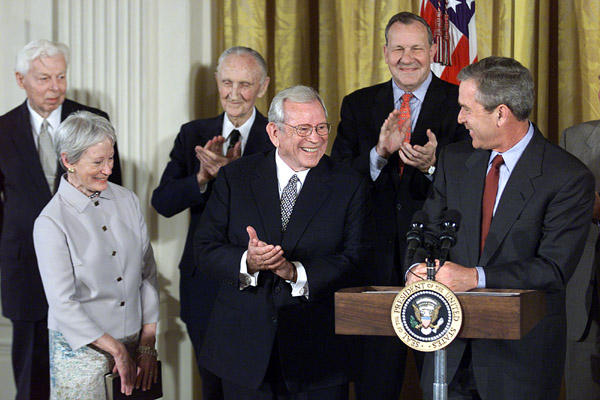
She was married to fellow U.S. Senator and diplomat Howard Baker, a prominent figure in national politics. After leaving the Senate in 1997 Kassebaum remained active in public policy and civic life, speaking and advising on health, education and international development issues while preserving a reputation for moderation and civility.
Legacy and notable facts
- Firsts: She was the first woman elected to a full Senate term without a husband who had previously served in Congress, marking an early advance for women seeking independent political careers in the U.S. Senate.
- Reputation: Remembered as a bridge-builder, especially on health insurance portability and consumer protections.
- Service: Nearly two decades representing a largely rural, Midwestern state while balancing national policy priorities with constituent interests.
Kassebaum's career illustrates how a senator from a small state can exert influence by cultivating bipartisan relationships and focusing on specific policy domains where durable legislative progress is possible. For further reading on aspects of her work and the institutions she served, see entries on the Senate and resources about Kansas political history.
Author
AlegsaOnline.com Nancy Kassebaum — U.S. Senator from Kansas and bipartisan health reformer Leandro Alegsa
URL: https://en.alegsaonline.com/art/127379